https://shmuker.oss-accelerate.aliyuncs.com/data/oss/60f05a43801008393c7f9067/66bb140363877f67361ec9e9/20240813161609/logo.png

Analysis of Refractory Failure in Forehearths of Alkali-Free Glass Production and the Replacement Solution with High-Density Zircon Bricks

2025-10-08
Sunrise
Application Tips
Frequent refractory failures in the forehearth of alkali-free glass furnaces pose significant challenges to production efficiency and glass quality. This paper analyzes the primary failure mechanisms of traditional refractory materials, highlighting their limitations in resisting alkali corrosion and maintaining structural integrity under high-temperature stress. It further presents high-density zircon bricks as an advanced alternative, demonstrating superior alkali resistance, markedly reduced high-temperature creep rates, and enhanced flexural strength. Supported by real-world application data and client feedback, the study reveals how these bricks effectively extend furnace service life—particularly in melting tank bottoms and forehearth zones—while stabilizing glass quality and optimizing operational efficiency. This comprehensive insight equips glass manufacturers with a scientific basis for material selection, enabling cost reduction and performance enhancement.
https://shmuker.oss-accelerate.aliyuncs.com/data/oss/60f05a43801008393c7f9067/66bb140363877f67361ec9e9/20240814135800/tongxingzhuan.jpg

Understanding Refractory Failure in the Forehearth of Soda-Lime Glass Furnaces

The durability of refractory materials within the forehearth zone of soda-lime (alkali-free) glass furnaces is a critical factor influencing not only the longevity of the furnace but also the quality and purity of the produced glass. Traditional refractory bricks often succumb prematurely to alkali attack, high-temperature deformation, and mechanical stress, leading to frequent maintenance shutdowns and increased operational costs.

The Limitations of Conventional Refractory Bricks

Conventional refractory bricks deployed in forehearth sections typically exhibit substantial vulnerability to alkali infiltration from molten glass, resulting in chemical degradation over time. Furthermore, their high-temperature creep rates and limited flexural strength contribute to structural instability under continuous thermal cycling and mechanical load. Industry data points to typical service lifetimes ranging between 6 to 12 months before significant refractory failure necessitates intervention.

Industry Insight: “Our plant experienced recurrent refractory wear in the forehearth zone, causing unexpected downtime and glass quality issues. The shift toward higher density zirconia bricks has markedly improved furnace uptime.” – Technical Manager, Leading Glass Manufacturer

Advantageous Performance of High-Density Zirconia Bricks

High-density zirconia (ZrO2) bricks bring a leap forward in refractory technology, combining superior alkali resistance and enhanced mechanical properties. Key performance metrics include:

  • Alkali Corrosion Resistance: Up to 50% improvement in resistance to alkali glass melt infiltration compared to standard alumina-based bricks.
  • Reduced High-Temperature Creep: Creep rates lowered to 0.02% per 1000 hours at operational temperatures (~1400°C), compared to conventional brick creep rates of 0.1% or higher.
  • Increased Flexural Strength: Enhanced bending strength exceeding 60 MPa under high temperature, providing better structural integrity during thermal cycling.

Application Case: Forehearth and Melting Pool Implementation

Deploying high-density zirconia bricks in the critical melting pool bottom and forehearth lining has demonstrated remarkable benefits in operational environments:

Property Traditional Alumina Brick High-Density Zirconia Brick
Service Life 8-12 months 18-24 months
Alkali Corrosion Depth (mm/year) 6.5 3.2
Creep Rate (%/1000 hrs) 0.10 0.02
High-Temperature Flexural Strength (MPa) 35 62

Customers report that switching to high-density zirconia bricks reduced unscheduled maintenance by over 40%, simultaneously improving glass cleanliness by minimizing refractory contaminant intrusion. The higher density also translates to denser microstructures that effectively block alkali penetration, preserving furnace integrity.

Customer Feedback: “Upgrading to the dense zirconia bricks helped us achieve longer cycle runs without quality dips. We saw a 30% improvement in glass purity metrics and cut downtime significantly.” – Plant Operations Engineer

Driving Glass Quality and Operational Efficiency

With their superior thermal and chemical resistance, zirconia bricks support a more stable forehearth environment, which is essential for uniform glass flow and minimal defect formation. This stability extends refractory life, reducing frequency and duration of stoppages for relining, thereby boosting production throughput and lowering operational expenses.

Implementing these bricks strategically in forehearth and melting pool areas translates to:

  • Extended maintenance intervals, potentially doubling the refractory life cycle.
  • Less thermal stress-induced cracking, limiting contaminant release into molten glass.
  • Improved furnace energy efficiency due to stable and continuous operation.

Discover How High-Density Zirconia Bricks Can Make Your Furnace More Durable and Your Glass Clearer
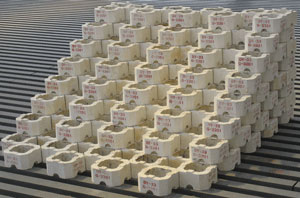
Detailed microstructure comparison between traditional alumina bricks and high-density zirconia bricks showing superior densification

Technical Considerations in Material Selection

When choosing refractory materials for alkali-free glass furnaces, key considerations include:

  1. Compatibility with Glass Composition: Zirconia bricks resist chemical attack from soda-lime melts better than many alumina-based options.
  2. Thermal Expansion Matching: High-density zirconia offers favorable thermal expansion compatibility with furnace steel structures, reducing stress concentrations.
  3. Mechanical Robustness: Ensuring sustained flexural strength under thermal cycling mitigates cracking risks.

These factors, combined with verified plant-level performance data, build a convincing case for adoption to enhance furnace uptime and product quality.
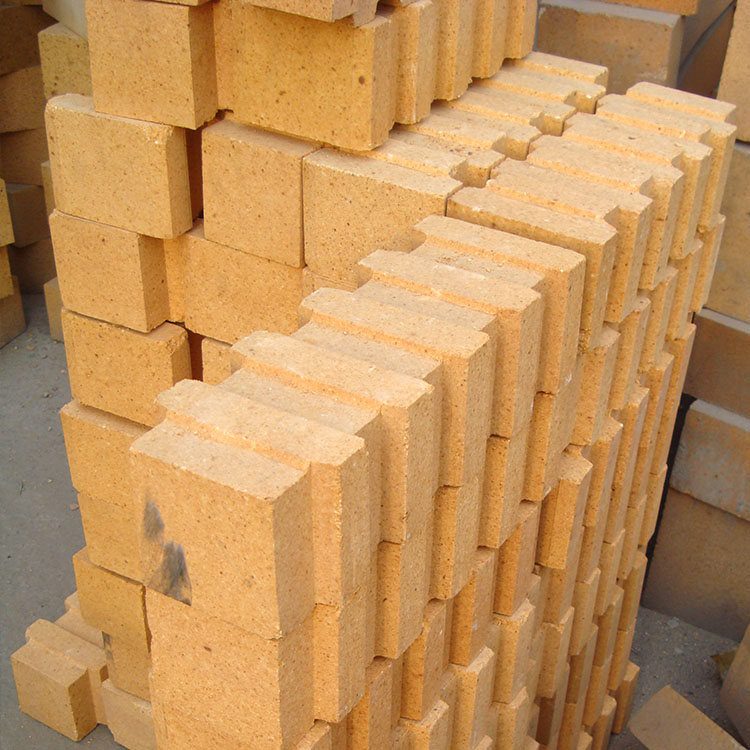
Forehearth refractory lining using high-density zirconia bricks showcasing reduced wear zones

Conclusion-Free Invitation to Explore

Unlock higher furnace efficiency and improved glass purity by integrating advanced high-density zirconia bricks within your soda-lime glass production processes. The proven advantages in corrosion resistance and mechanical stability make it a strategic investment for forward-thinking manufacturers.

Elevate Your Glass Production: Contact Our Experts to Learn More
Performance comparison chart of forehearth refractory materials in alkali corrosion and creep resistance
Name *
Email *
Message*

Recommended Products

https://shmuker.oss-accelerate.aliyuncs.com/data/oss/60f05a43801008393c7f9067/66bb140363877f67361ec9e9/20240913105305/fused-silica-brick-1.png
Min.order:1 ton
https://shmuker.oss-accelerate.aliyuncs.com/data/oss/60f05a43801008393c7f9067/66bb140363877f67361ec9e9/20240913110341/21-1.png
Min.order:1 ton
https://shmuker.oss-accelerate.aliyuncs.com/data/oss/60f05a43801008393c7f9067/66bb140363877f67361ec9e9/20240913110435/synthetic-magnesia-olivine-brick-2.png
Min.order:1 ton
https://shmuker.oss-accelerate.aliyuncs.com/data/oss/60f05a43801008393c7f9067/66bb140363877f67361ec9e9/20240913111324/magnesia-alumina-spinel-brick-4.png
Min.order:1 ton
https://shmuker.oss-accelerate.aliyuncs.com/data/oss/60f05a43801008393c7f9067/66bb140363877f67361ec9e9/20240913110746/magnesia-carbon-brick-1.png
Min.order:1 ton
Hot Products
https://shmuker.oss-accelerate.aliyuncs.com/tmp/temporary/60ec5bd7f8d5a86c84ef79f2/60ec5bdcf8d5a86c84ef7a9a/thumb-prev.png
TOP
Contact us
Contact us