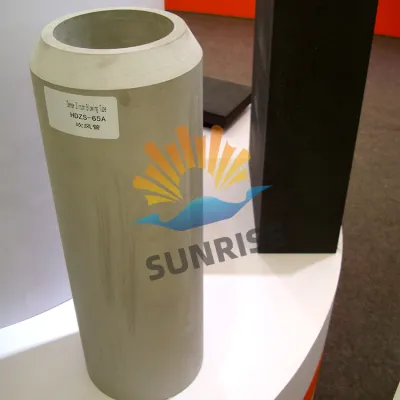
When a leading glass manufacturer in Europe faced recurring issues with kiln lining degradation and inconsistent product quality, they turned to an often-overlooked solution—high-density zirconia brick. The result? A 30% increase in refractory life, a 15% boost in production efficiency, and significant improvements in glass clarity and consistency.
Many modern glass plants using alkali-free formulations struggle with two key challenges:
These problems not only disrupt production schedules but also compromise product quality, especially for high-end flat glass used in automotive and display applications.
| Feature | Benefit |
|---|---|
| 抗碱侵蚀能力 (Alkali Resistance) | Reduces chemical attack from molten glass by up to 70% |
| 高温蠕变抑制 (Creep Resistance) | Maintains shape integrity at 1600°C+ for over 3 years |
| 高温抗弯强度 (High Flexural Strength) | Withstands mechanical load without cracking or spalling |
“After switching to high-density zirconia bricks in our front pool and channel blocks, we saw immediate improvement in temperature control and no more unexpected shutdowns. Our glass defect rate dropped by 22% within six months.”
— Production Manager, European Flat Glass Manufacturer
The real magic happens where it matters most: the melt pool floor, front chamber, and channel blocks. These areas experience extreme thermal gradients and chemical exposure — making them ideal candidates for advanced refractory materials like this one.
In this case study, the client reported:
These numbers aren’t just impressive—they’re transformational for any glass producer aiming to compete globally on cost, quality, and uptime.
If you're operating a high-performance glass line and still relying on older refractory solutions, now is the time to evaluate how upgrading your kiln linings can drive measurable gains in efficiency, lifespan, and product quality.