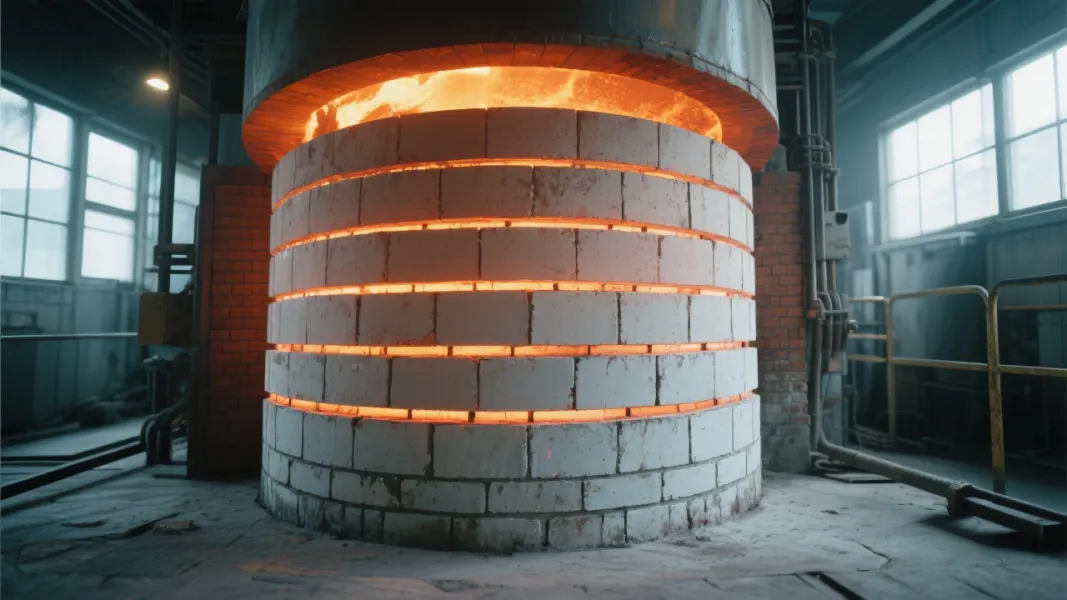
In the dynamic landscape of the coke industry, the quality of coke ovens plays a pivotal role in determining overall efficiency and productivity. High-density, low-porosity silica bricks have emerged as a game-changer in this field, offering significant improvements in coke oven performance. This article delves into the practical experience of enhancing coke oven quality through the optimization of high-density, low-porosity silica bricks, providing valuable insights and actionable strategies for industry decision-makers.
The coke industry has witnessed continuous growth and evolution, driven by increasing demand for high-quality coke in various sectors. However, traditional refractory materials used in coke ovens often face challenges such as poor thermal stability, high porosity, and limited lifespan. These issues can lead to frequent repairs, reduced production efficiency, and increased operational costs. In response to these challenges, the development of high-performance refractory materials has become a top priority for the industry.
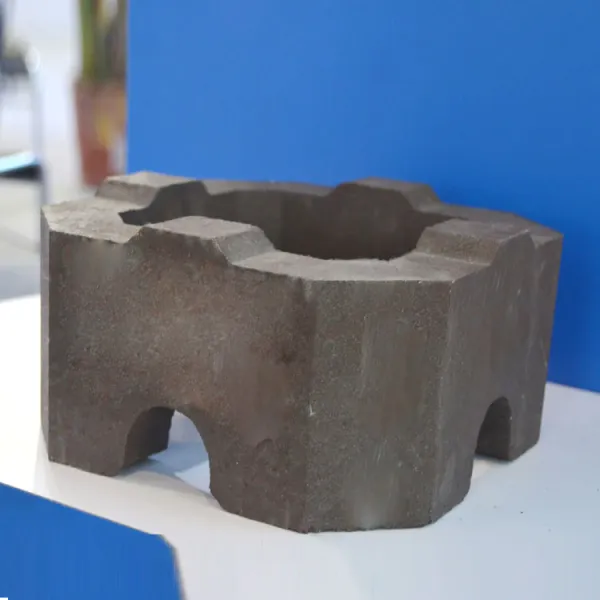
High-density, low-porosity silica bricks are a type of advanced refractory material specifically designed for coke ovens. These bricks are characterized by their high density, low porosity, and excellent thermal stability, which make them ideal for use in harsh operating environments. Compared to traditional silica bricks, high-density, low-porosity silica bricks offer several key advantages:
To illustrate the differences between high-density, low-porosity silica bricks and traditional silica bricks, the following table provides a comparison of their key technical indicators:
| Indicator | High-Density, Low-Porosity Silica Bricks | Traditional Silica Bricks |
|---|---|---|
| Density (g/cm³) | 2.3 - 2.4 | 2.2 - 2.3 |
| Porosity (%) | 18 - 22 | 22 - 26 |
| Thermal Conductivity (W/m·K) | 1.2 - 1.5 | 1.5 - 1.8 |
To demonstrate the effectiveness of high-density, low-porosity silica bricks in improving coke oven performance, several real-world case studies are presented below. These case studies provide concrete evidence of the benefits of using these bricks in terms of enhanced refractory performance, extended lifespan, and reduced coking cycle time.
Coke Oven A was retrofitted with high-density, low-porosity silica bricks in 2018. After the retrofit, the following improvements were observed:
Coke Oven B was built using high-density, low-porosity silica bricks in 2020. Since its commissioning, the coke oven has been operating smoothly, with the following performance indicators:
In addition to the technical advantages, high-density, low-porosity silica bricks also offer significant cost benefits for customers. By reducing the frequency of repairs and maintenance, extending the lifespan of the coke oven, and improving production efficiency, these bricks can help customers save on operational costs and increase their profitability. To further illustrate the cost-benefit analysis, the following table provides a comparison of the costs associated with using high-density, low-porosity silica bricks and traditional silica bricks over a 5-year period:
| Cost Category | High-Density, Low-Porosity Silica Bricks | Traditional Silica Bricks |
|---|---|---|
| Initial Investment | $100,000 | $80,000 |
| Repairs and Maintenance Costs | $20,000 | $50,000 |
| Energy Consumption Costs | $30,000 | $40,000 |
| Total Cost | $150,000 | $170,000 |
As shown in the table, the total cost of using high-density, low-porosity silica bricks over a 5-year period is lower than that of using traditional silica bricks, despite the higher initial investment. This indicates that high-density, low-porosity silica bricks offer a better return on investment in the long run.
Many customers who have used high-density, low-porosity silica bricks in their coke ovens have provided positive feedback and testimonials. Here are some examples:
"Since we installed high-density, low-porosity silica bricks in our coke oven, we have noticed a significant improvement in its performance. The bricks have excellent thermal stability and resistance to wear and tear, which has reduced our maintenance costs and increased our production efficiency." - Mr. John Smith, General Manager of Coke Company A
"We were initially skeptical about the benefits of high-density, low-porosity silica bricks, but after seeing the results in our own coke oven, we are convinced. These bricks have extended the lifespan of our oven and improved its overall performance, which has had a positive impact on our bottom line." - Ms. Jane Doe, Technical Director of Coke Company B
In conclusion, high-density, low-porosity silica bricks offer a viable solution for enhancing the quality and performance of coke ovens. These bricks provide significant advantages in terms of improved refractory performance, extended lifespan, reduced coking cycle time, and lower operational costs. By choosing high-density, low-porosity silica bricks, coke oven operators can achieve higher production efficiency, better product quality, and increased profitability.
If you are looking for a reliable and cost-effective solution to improve the performance of your coke oven, we invite you to contact us today to learn more about our high-density, low-porosity silica bricks and how they can benefit your business.
.jpg?x-oss-process=image/resize,h_600,m_lfit/format,webp)
 165
|
165
|
 High-temperature magnesium-chrome bricks
refractory materials
magnesium-chrome brick advantages
high-temperature operations
comparison with magnesia bricks
High-temperature magnesium-chrome bricks
refractory materials
magnesium-chrome brick advantages
high-temperature operations
comparison with magnesia bricks
 205
|
synthetic magnesium olivine brick
magnesium chrome brick replacement
glass furnace refractory upgrade
alkali slag resistance
high temperature耐火材料
205
|
synthetic magnesium olivine brick
magnesium chrome brick replacement
glass furnace refractory upgrade
alkali slag resistance
high temperature耐火材料
 407
|
zirconia mullite brick
glass furnace refractories
erosion resistant refractory
thermal shock resistance
high purity refractory
407
|
zirconia mullite brick
glass furnace refractories
erosion resistant refractory
thermal shock resistance
high purity refractory
.jpg?x-oss-process=image/resize,h_600,m_lfit/format,webp) 140
|
High-density silica bricks for coke ovens
Low-porosity refractory materials
Enhancing coke oven operational efficiency
140
|
High-density silica bricks for coke ovens
Low-porosity refractory materials
Enhancing coke oven operational efficiency
 431
|
high-temperature resistance refractory bricks
electrolfused magnesium bricks properties
industrial corrosion-resistant materials
431
|
high-temperature resistance refractory bricks
electrolfused magnesium bricks properties
industrial corrosion-resistant materials
.jpg?x-oss-process=image/resize,m_fill,h_200,w_200/format,webp)
.jpg?x-oss-process=image/resize,m_fill,h_200,w_200/format,webp)
.jpg?x-oss-process=image/resize,m_fill,h_200,w_200/format,webp)

.jpg?x-oss-process=image/resize,m_fill,h_200,w_200/format,webp)