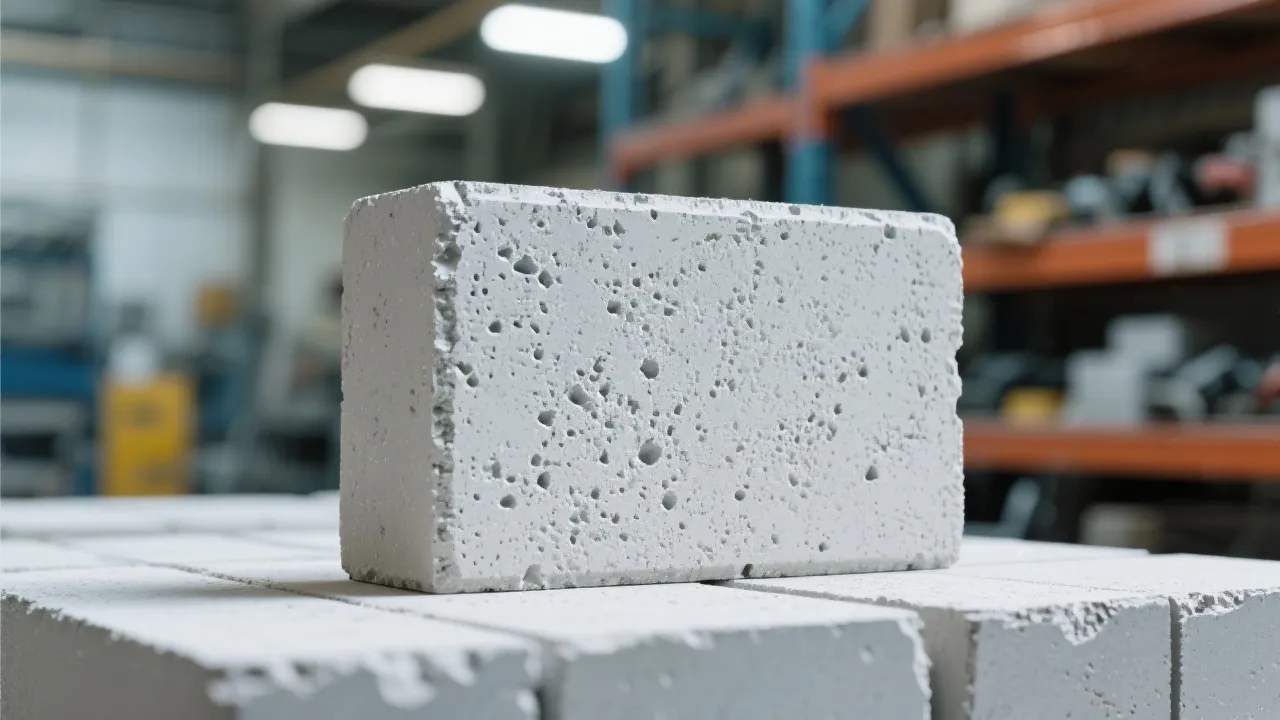
In recent decades, the coke industry has witnessed remarkable growth. With the increasing scale of production and the continuous improvement of technological levels, the performance requirements of coke ovens for refractory materials have also been rising. Traditional refractory materials often struggle to meet the high - standards in terms of density, thermal conductivity, and high - temperature compressive strength. For example, in some large - scale coke plants, the old - fashioned refractory materials have a relatively high porosity, which can lead to heat loss during the coking process and reduce the overall efficiency of the coke oven. Moreover, their limited high - temperature compressive strength may cause deformation and damage of the coke oven lining over time, shortening the service life of the coke oven.
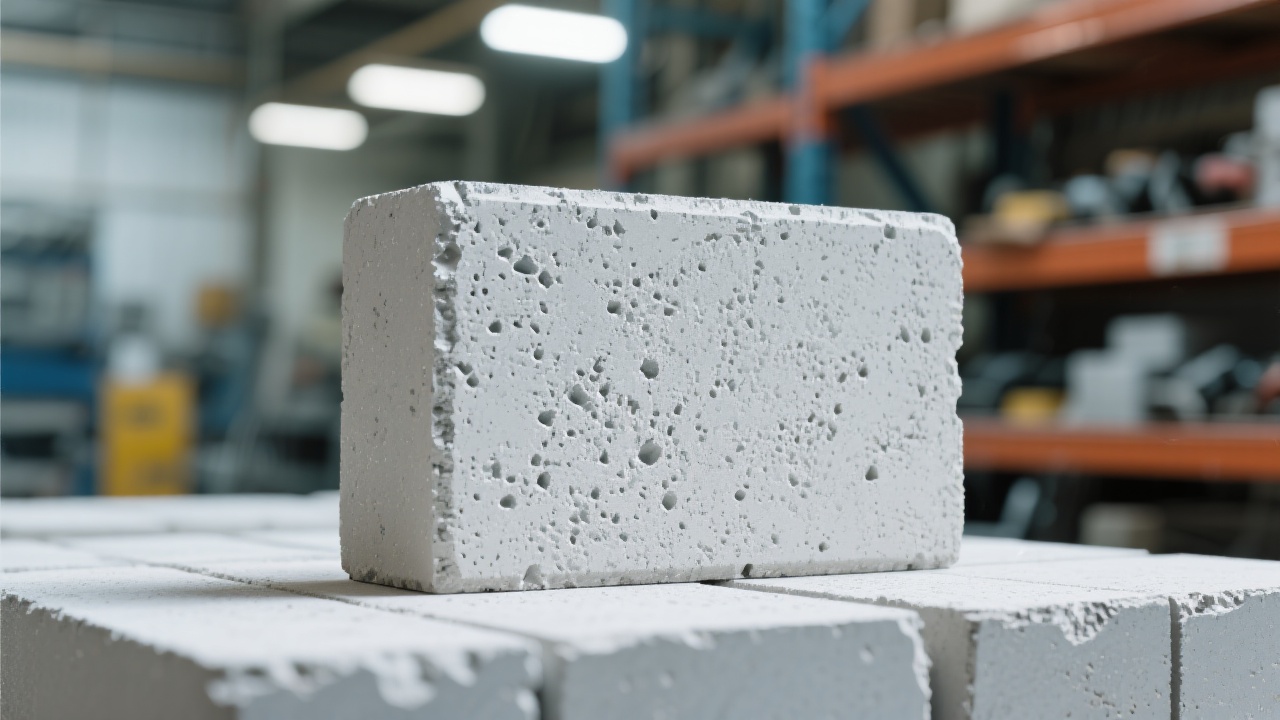
In response to these challenges, high - density low - porosity silica bricks have been developed. The research and development team aimed to create a refractory material that can withstand the harsh environment of coke ovens. The core technical indicators of these bricks are quite remarkable. The porosity of high - density low - porosity silica bricks is less than 16%, which is significantly lower than that of traditional refractory materials. For instance, some traditional silica bricks may have a porosity of around 20% - 25%. A lower porosity means less heat loss through pores, which is crucial for maintaining high - temperature environments in coke ovens. In addition, the density of these bricks is greater than 2.38g/cm³. This high density provides better structural integrity and mechanical strength, enabling the bricks to resist the high - temperature and high - pressure conditions inside the coke oven.
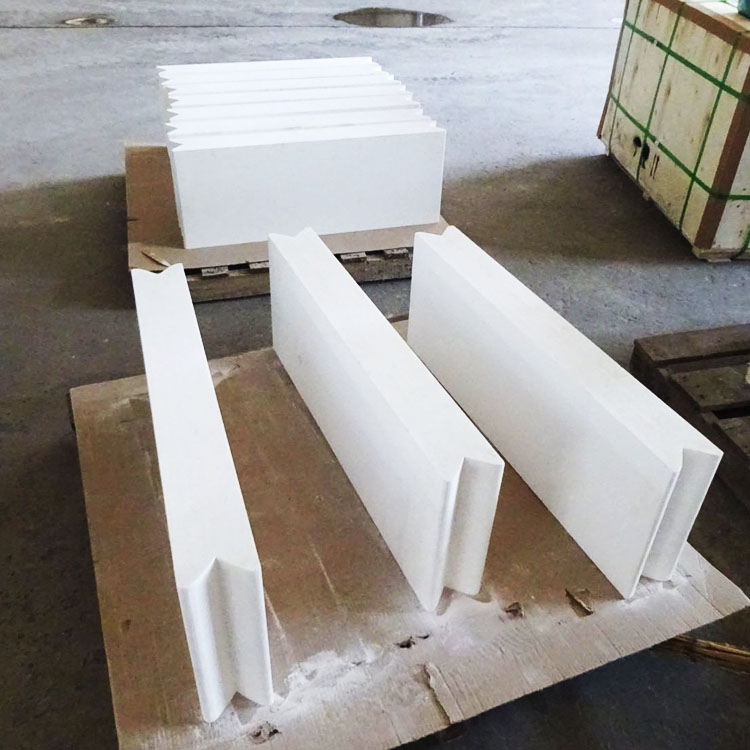
The high density of these silica bricks helps to improve the overall thermal insulation performance of the coke oven. By reducing heat loss, the temperature inside the coke oven can be more evenly distributed, which is beneficial for the uniform coking of coal. In a real - world case, a coke plant in Europe replaced its old refractory materials with high - density low - porosity silica bricks. After the replacement, the temperature difference inside the coke oven was reduced from 50°C to 20°C, resulting in a more consistent quality of the produced coke.
Due to their low porosity and high density, these silica bricks have better resistance to chemical corrosion and mechanical wear. In a coke oven, the lining is constantly exposed to high - temperature gases and chemical substances. Traditional refractory materials may be corroded and worn out quickly, while high - density low - porosity silica bricks can withstand these harsh conditions for a longer time. A coke plant in Asia reported that after using high - density low - porosity silica bricks, the service life of its coke oven was extended from 10 years to 15 years, which significantly reduced the frequency of coke oven maintenance and replacement costs.
The excellent thermal conductivity of high - density low - porosity silica bricks allows for faster heat transfer in the coke oven. As a result, the coking time can be effectively shortened. For example, in a coke plant in South America, after adopting these silica bricks, the coking time was reduced from 24 hours to 20 hours per batch, increasing the production efficiency by about 16.7%.
.jpg)
High - density low - porosity silica bricks are a revolutionary product in the field of coke oven refractory materials. Their unique properties in terms of low porosity and high density bring multiple benefits to coke ovens, including improved operating quality, extended service life, and shortened coking time. If you are looking to upgrade your coke oven and maximize your production efficiency, don't miss out on these high - performance silica bricks. Click here to learn more about high - density low - porosity silica bricks and take the first step towards upgrading your coke oven!

 482
|
482
|
 High-density silica bricks
Low-porosity silica bricks
Coke oven refractory materials
Siliceous refractory bricks
Coke oven lifespan extension
High-density silica bricks
Low-porosity silica bricks
Coke oven refractory materials
Siliceous refractory bricks
Coke oven lifespan extension
 256
|
high-quality silica bricks
glass furnace high-temperature refractory materials
silica brick composition
advantages of silica bricks
high-temperature resistance silica bricks
256
|
high-quality silica bricks
glass furnace high-temperature refractory materials
silica brick composition
advantages of silica bricks
high-temperature resistance silica bricks
 459
|
high-density zircon bricks
Southeast Asia market
zircon brick selection
459
|
high-density zircon bricks
Southeast Asia market
zircon brick selection
 280
|
high density silica brick
low porosity refractory
coke oven耐火砖
coking industry refractory solutions
refractory brick performance improvement
280
|
high density silica brick
low porosity refractory
coke oven耐火砖
coking industry refractory solutions
refractory brick performance improvement
 139
|
Dense zirconium blocks
Alkali - free glass fiber furnaces
Furnace maintenance costs
Zirconium block application cases
High - temperature corrosion - resistant materials
139
|
Dense zirconium blocks
Alkali - free glass fiber furnaces
Furnace maintenance costs
Zirconium block application cases
High - temperature corrosion - resistant materials


.jpg?x-oss-process=image/resize,m_fill,h_200,w_200/format,webp)