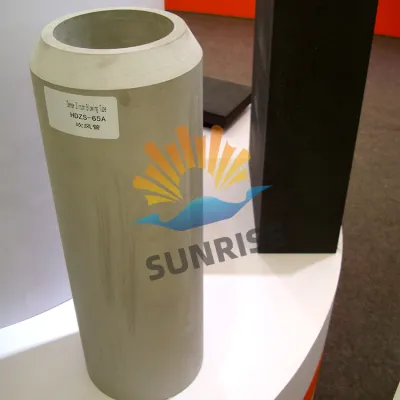
In the demanding environment of glass manufacturing and nuclear industry applications, material performance can make or break production efficiency and product quality. Among refractory materials, high-density zirconia bricks have emerged as the preferred choice for glass furnace linings and critical nuclear facility components. Their unique combination of chemical resistance, mechanical strength, and thermal stability address the harsh challenges posed by corrosive molten glass and extreme operating temperatures.
| Property | Typical Value | Industry Benefit |
|---|---|---|
| Porosity | Under 1.5% | Superior resistance to glass infiltration and chemical attack |
| Chemical Resistance to Alkali Glass | Extremely high (>95% resistance retention after 1000 hours) | Extended service life reducing downtime and maintenance cost |
| High-Temperature Creep | < 0.05% deformation at 1600°C / 100h | Maintains structural integrity under prolonged high loads |
| Flexural Strength at 1400°C | > 65 MPa | Excellent resistance to mechanical shocks and thermal cycling |
These figures underscore why leading glass manufacturers opt for high-density zirconia bricks in the critical zones of alkali-free glass furnaces, where exposure to molten glass and thermal stress is unparalleled.
Glass furnace operators face persistent issues like refractory corrosion, material spalling, and premature failures due to aggressive alkaline glass melts and sustained high temperatures often exceeding 1500°C. Traditional materials such as alumina or silica bricks typically fall short in delivering both chemical durability and mechanical performance.
High-density zirconia bricks tackle these challenges head-on by combining:
This enhances furnace uptime and reduces costly shutdowns for refractory maintenance or replacement, directly contributing to operational efficiency and profitability.
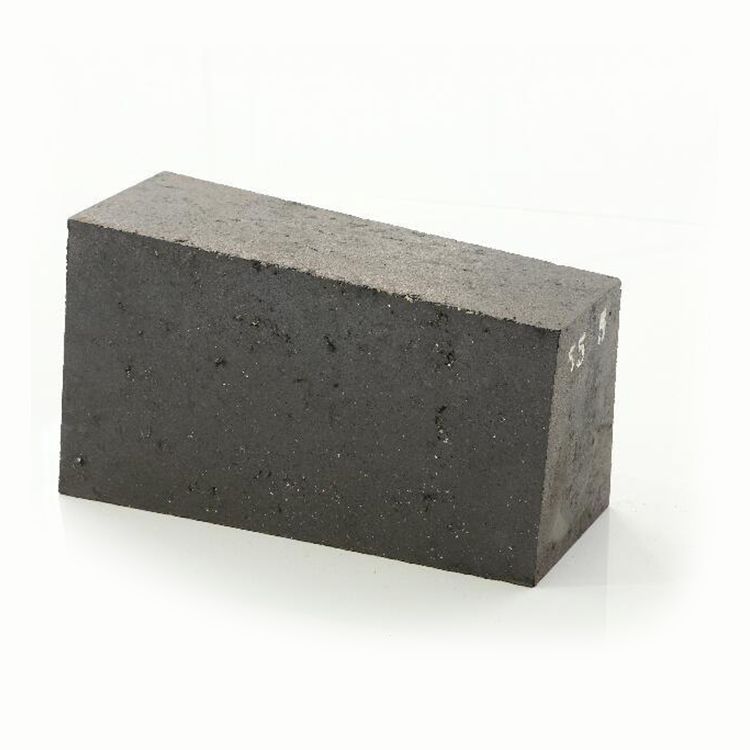
The distinct combination of resistance to corrosive alkali glass and high thermal-mechanical strength make high-density zirconia bricks indispensable in:
Industry-leading cases report over 30% improvement in refractory service life and a noticeable reduction in unscheduled downtimes after switching to high-density zirconia brick linings. This performance uplift was critical in meeting the stringent quality and safety norms of modern glass generators and nuclear reactors.
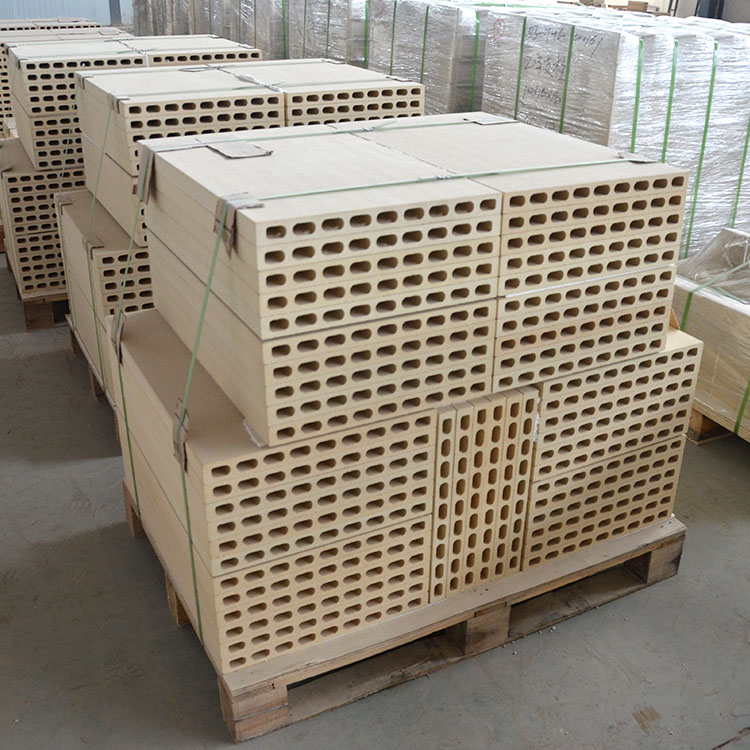
Selecting the optimal refractory requires balancing price, longevity, and operational demands. Key performance indicators for glass furnace refractory materials include:
| Criteria | Industry Standard | Zirconia Brick Performance |
|---|---|---|
| Service Life (months) | 12-18 | 20-24 (up to 33% increase) |
| Thermal Shock Resistance | Moderate | High |
| Alkali Glass Corrosion Resistance | Variable | Consistently Superior |
Such data-driven insights empower engineers and procurement teams to make informed decisions that align with operational goals and budget parameters.
Ready to enhance your furnace’s durability and stability with cutting-edge high-density zirconia bricks?