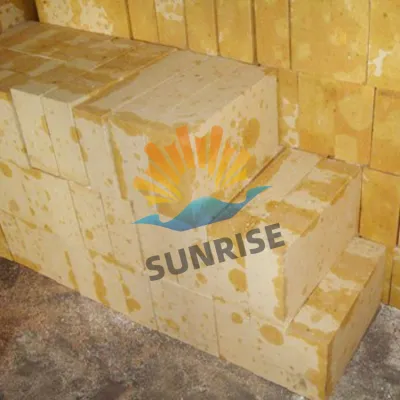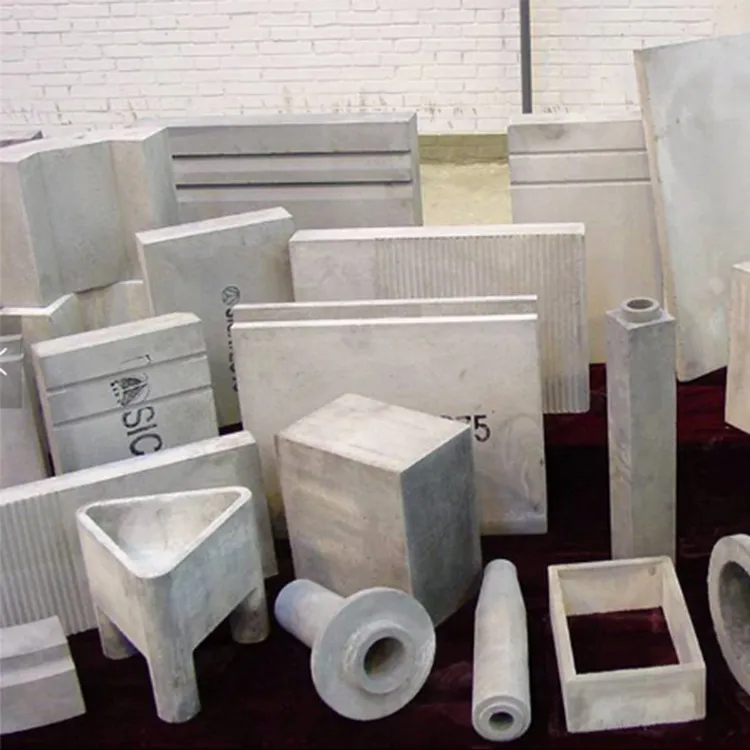
In the competitive glass manufacturing industry, furnace downtime isn’t just costly—it’s a direct hit on production capacity and product quality. One of the most critical components affecting furnace longevity is the refractory lining in high-temperature zones. That’s where premium silicon brick—made from natural quartz sand with over 96% SiO₂ content—proves its value.
Most conventional fireclay or alumina-based bricks begin to degrade after 18–24 months under continuous operation at 1500°C+ due to phase transformation and thermal shock. This leads to cracks, spalling, and increased maintenance cycles—costing an average of $75,000 per year in unplanned shutdowns for mid-sized glass plants (based on industry benchmarks from 2023).
Our customers in Egypt and India reported that their previous suppliers’ silicon bricks failed within 16 months, causing frequent kiln repairs and contamination of molten glass. The solution? A scientifically engineered refractory material designed not just for heat resistance—but for long-term structural integrity.
| Property | Standard Brick | Our Premium Silicon Brick |
|---|---|---|
| SiO₂ Content | ~90–93% | >96% (natural quartz sand) |
| Thermal Expansion Coefficient | 0.0005 /°C | 0.0001 /°C |
| Density (kg/m³) | 2,400 | 2,100 (lighter by ~12%) |
| Service Life (avg.) | 16–20 months | 28–32 months (+40% improvement) |
This data comes directly from real-world installations in Europe and Southeast Asia. For example, a Tier-1 flat glass producer in Germany saw a 37% reduction in annual refractory replacement costs after switching to our silicon brick—while also reducing emissions from furnace reheat cycles by 15% thanks to better thermal retention.
At a major container glass plant in Saudi Arabia, engineers initially hesitated due to higher upfront cost. But after a six-month pilot run using our silicon brick in the crown and sidewall sections, they observed:
These outcomes weren’t just anecdotal—they were validated through third-party lab tests showing no detectable silica migration into the glass melt, confirming compliance with ISO 1097-2 standards for chemical purity.
Ready to reduce your furnace maintenance burden? Let us help you calculate how much you could save with a tailored refractory upgrade plan—based on your current usage patterns and furnace design.