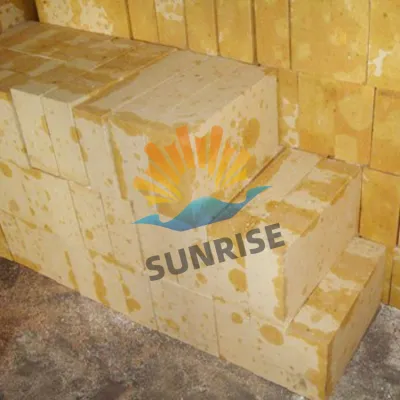
In the glass industry, selecting the right refractory materials for glass furnaces is crucial for ensuring the stability of furnace operation and the quality of glass products. High - temperature parts of glass furnaces face extreme conditions, and choosing appropriate refractory materials can be a challenging task. This is where high - SiO₂ content silica bricks come into play as an ideal solution.
The key challenges in the glass industry regarding refractory materials mainly include high - temperature resistance, volume stability at high temperatures, chemical corrosion resistance, and the prevention of glass liquid contamination. These factors directly affect the service life of the furnace and the quality of the glass products. In fact, improper selection of refractory materials can lead to frequent furnace repairs, increased production costs, and reduced product quality.
Let's first look at the composition of these high - SiO₂ content silica bricks. They are made from natural silica sand with an SiO₂ content of over 96%. The natural silica sand contains tridymite and cristobalite, which are essential for enhancing the performance of the silica bricks. For example, tridymite can improve the high - temperature volume stability of the bricks, while cristobalite contributes to their high - temperature resistance.
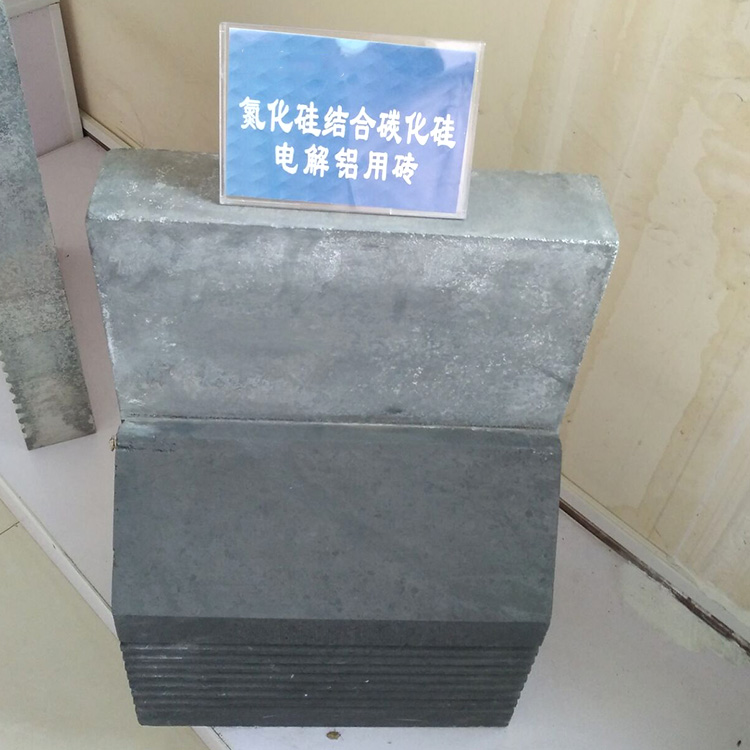
One of the most significant advantages of these silica bricks is their excellent high - temperature resistance. Tests have shown that these bricks can withstand temperatures of up to 1650°C without significant deformation. This high - temperature resistance is crucial for the high - temperature parts of glass furnaces, as it ensures the long - term stable operation of the furnace. For instance, in a large - scale glass manufacturing plant in Germany, after replacing the original refractory materials with high - SiO₂ content silica bricks, the furnace could operate continuously at a high temperature of 1600°C for more than 5 years without major repairs, which significantly improved production efficiency.
Another important feature is their high - temperature volume stability. The high - SiO₂ content and the unique crystal structure of the bricks ensure that their volume remains relatively stable at high temperatures. The volume change rate is less than 0.5% within the temperature range of 1000 - 1600°C. This stability prevents cracks and damage to the furnace lining, thereby reducing the risk of glass liquid leakage and improving the safety of the production process.
These silica bricks also have the advantage of not contaminating the glass liquid. Since they are made from high - purity natural silica sand, they do not release harmful substances into the glass liquid during the high - temperature melting process. This is particularly important for the production of high - quality glass products, such as optical glass and pharmaceutical glass. A glass factory in the United States reported that after using these silica bricks, the defect rate of their high - end glass products decreased from 5% to less than 1%.
In terms of chemical corrosion resistance, the silica bricks have strong resistance to various chemical substances in the glass melting process, such as alkalis and acids. In a chemical corrosion test, after being immersed in a strong alkaline solution for 100 hours, the weight loss of the silica bricks was less than 1%. This corrosion resistance extends the service life of the furnace lining and reduces the frequency of material replacement.
Moreover, these silica bricks are relatively lightweight compared to other refractory materials. Their density is about 1.8 - 2.0 g/cm³, which is lower than that of some traditional refractory bricks. This lightweight feature not only reduces the load on the furnace structure but also saves energy during the heating process. For example, a glass furnace using these lightweight silica bricks can save about 10% of energy consumption compared to a furnace using traditional heavy - duty refractory materials.
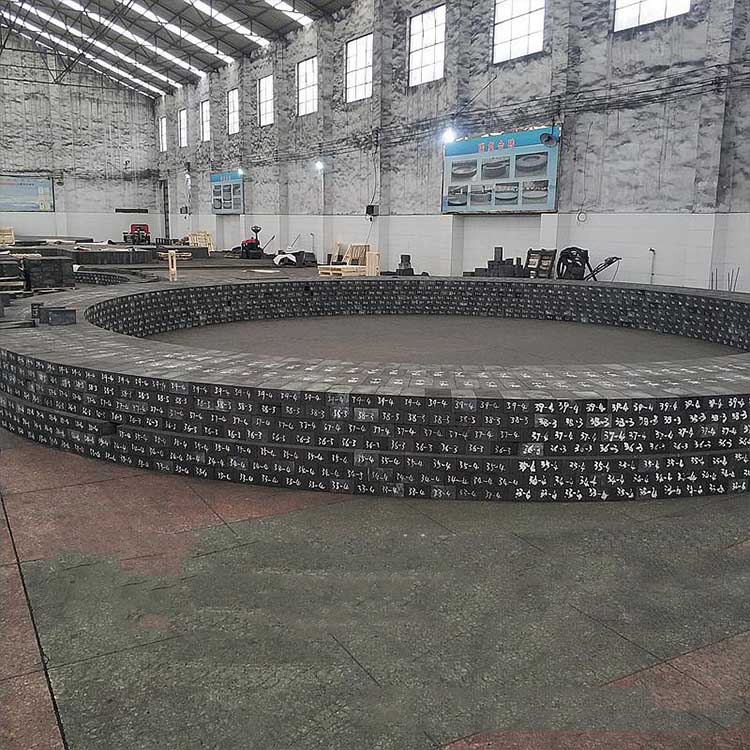
Let's take a look at a specific case. A glass manufacturing enterprise in China was facing problems such as short furnace service life, high production costs, and low product quality due to the improper selection of refractory materials. After switching to high - SiO₂ content silica bricks, the service life of the furnace was extended from 3 years to more than 6 years, the production cost was reduced by 15%, and the product quality was significantly improved. The defective product rate decreased from 8% to 3%.
In conclusion, high - SiO₂ content silica bricks are the ideal choice for the high - temperature parts of glass furnaces. Their excellent high - temperature resistance, high - temperature volume stability, non - contamination of glass liquid, strong chemical corrosion resistance, and lightweight features make them stand out among various refractory materials. If you are a decision - maker or purchaser in the glass industry, don't miss this opportunity to upgrade your glass furnace with high - SiO₂ content silica bricks. Click here to learn more about our high - quality glass furnace silica bricks!