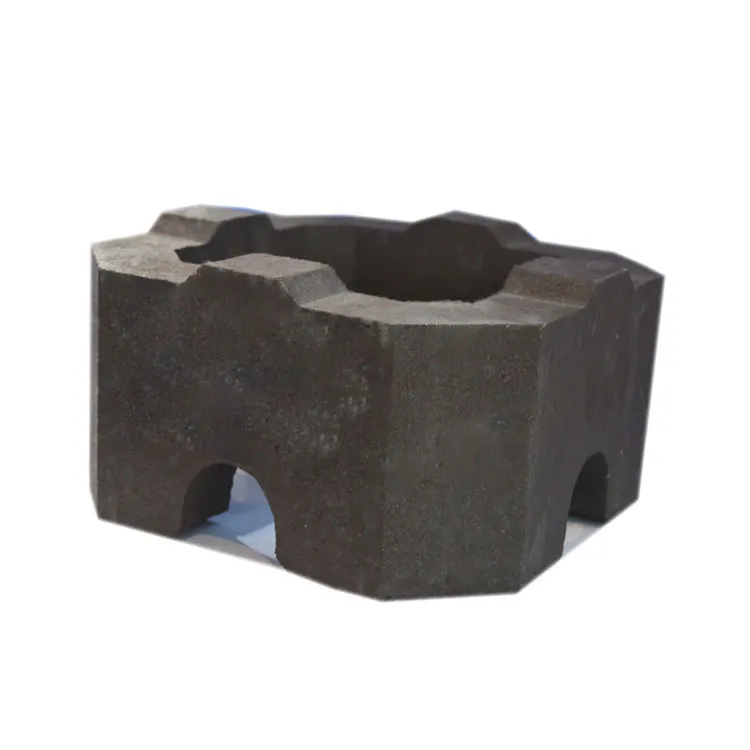
In the competitive world of glass manufacturing, purity isn’t just a quality metric—it’s a production imperative. Even trace impurities from refractory materials can cause defects like bubbles, streaks, or discoloration in final products. That’s where high-purity silicon brick comes in—not as an option, but as a necessity for modern glass plants aiming for consistent output and premium-grade glass.
Modern glass furnaces operate between 1400°C and 1600°C—temperatures that demand refractories with extreme thermal stability and chemical inertness. Standard bricks often contain iron oxide, aluminum oxide, or calcium compounds that migrate into molten glass during prolonged exposure. According to a 2022 study by the International Refractories Association, up to 3% of glass defects in mid-tier producers are directly linked to refractory contamination—costing an average of $12,000 per month in scrap waste and downtime.
Our high-purity silicon bricks are made from natural quartz sand with over 99.5% SiO₂ content—significantly higher than industry standards (typically 96–98%). This means:
| Property | Standard Brick | Our Silicon Brick |
|---|---|---|
| SiO₂ Content | 96–98% | ≥99.5% |
| Thermal Expansion (at 1500°C) | ±1.5% | ±0.3% |
| Glass Liquid Contamination Risk | High | Negligible |
A case study from a leading European flat glass manufacturer shows how switching to our silicon bricks reduced visible defects by 72% within six months—and cut annual maintenance costs by nearly 40%, thanks to less frequent lining replacements due to improved chemical resistance.
It’s not just about purity—it’s about efficiency. When your kiln runs cleaner, you get:
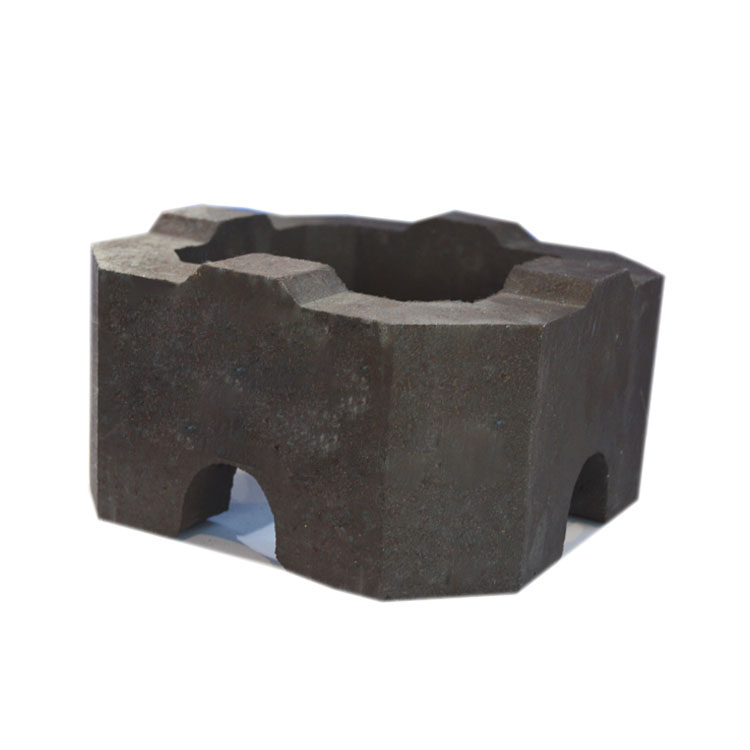
For decision-makers evaluating refractory options, this is more than technical data—it’s a strategic advantage. Whether you’re producing automotive glass, optical lenses, or container glass, the choice of brick impacts everything from product consistency to long-term operational cost.
Discover how our high-purity silicon bricks can reduce contamination, boost uptime, and improve yield—without compromising on performance or safety.
Get Your Free Technical Brochure Now →