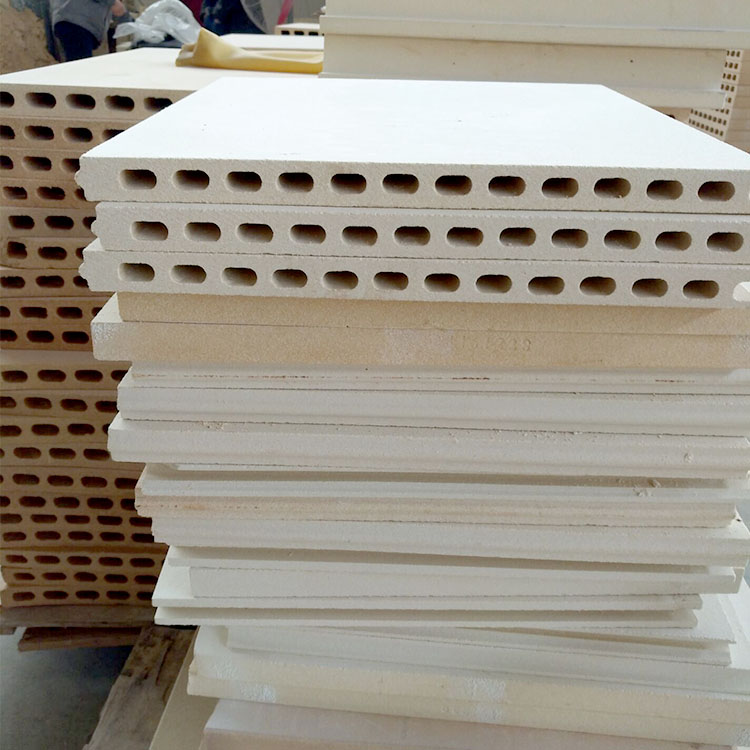
As the coke production industry enters a phase of rigorous modernization, the demand for refractory materials that can withstand intensified operational stresses is greater than ever. Traditional silica bricks, once the backbone of coke oven linings, now fall short of meeting critical requirements such as high density, low porosity, superior thermal conductivity, and elevated temperature strength.
With coke ovens operating at higher temperatures to maximize throughput and efficiency, refractory bricks must endure increasingly harsh conditions, including aggressive chemical corrosion and thermal shock. Conventional bricks, typically exhibiting porosity values above 20% and densities below 2.30g/cm³, tend to degrade faster, causing frequent shutdowns for maintenance.
The necessity for enhancing the operational lifespan of coke ovens, improving heat transfer efficiency, and shortening coking cycles has driven innovation towards more advanced refractory solutions. This paved the way for high-density, low-porosity silica bricks designed to deliver exceptional performance under severe industrial conditions.
At the heart of this innovation lies the refinement of two critical parameters:
Extensive laboratory testing confirms that reducing the total porosity by just 5% compared to standard bricks can increase mechanical strength by approximately 15-20% and improve thermal conductivity by up to 10%. These quantitative improvements translate directly into tangible operational benefits when deployed in coke ovens.
The improved density enables superior heat conduction throughout the refractory lining. Enhanced thermal conductivity ensures more uniform oven temperatures, reducing hotspots and thermal cycling damage. This promotes longer refractory service life and more consistent coke quality.
Simultaneously, low porosity reduces the material’s vulnerability to chemical attack by alkali vapors and slag infiltration — common causes of premature failure in coke oven bricks. High raw material purity and optimized sintering technology further contribute to exceptional high-temperature strength and erosion resistance.
Beyond measurable technical improvements, the primary value of these advanced silica bricks lies in the operational and financial uplift they afford. Key benefits observed in industrial application include:
These performance improvements collectively enhance profitability and support sustainable manufacturing practices by reducing raw material waste and emissions associated with brick replacement and downtime.
For decision makers in coke production, evaluating refractory materials solely on cost or brand reputation is no longer adequate. A data-driven approach that weighs technical specifications against measurable operational advantages is essential.
High-density low-porosity silica bricks meet and exceed these criteria, marrying cutting-edge material science with evident financial and performance returns. The adoption of such bricks empowers enterprises to upgrade their technologies confidently, mitigate risks, and amplify competitive advantage.
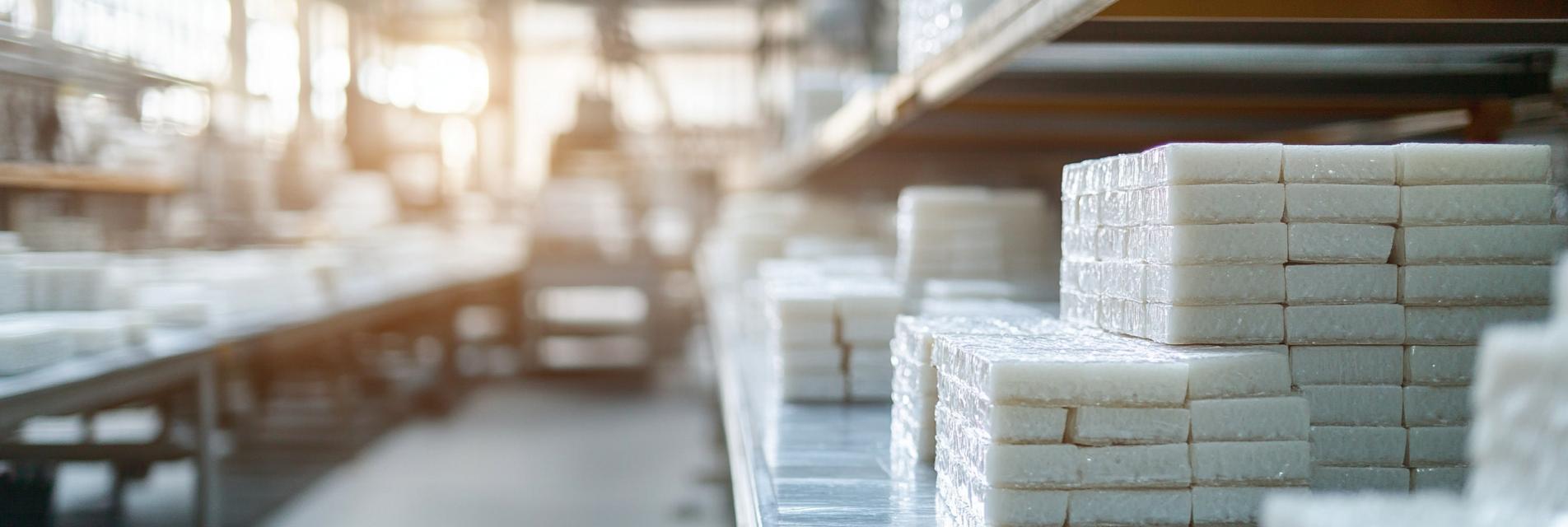
While traditional silica bricks served their purpose during earlier stages of industrial development, advancing coke oven operational demands have necessitated a step-change in refractory technology. High-density low-porosity silica bricks embody this evolution, offering measurable, data-backed advantages that empower plant operators to sustainably enhance efficiency, resilience, and output quality. Embracing such innovations forms the keystone for future-proofing coke production facilities and optimizing resource utilization amidst challenging market dynamics.
The technological leadership combined with visible economic benefits makes advanced silica bricks an indispensable asset for forward-thinking coke producers focused on sustainable growth and competitive advantage.