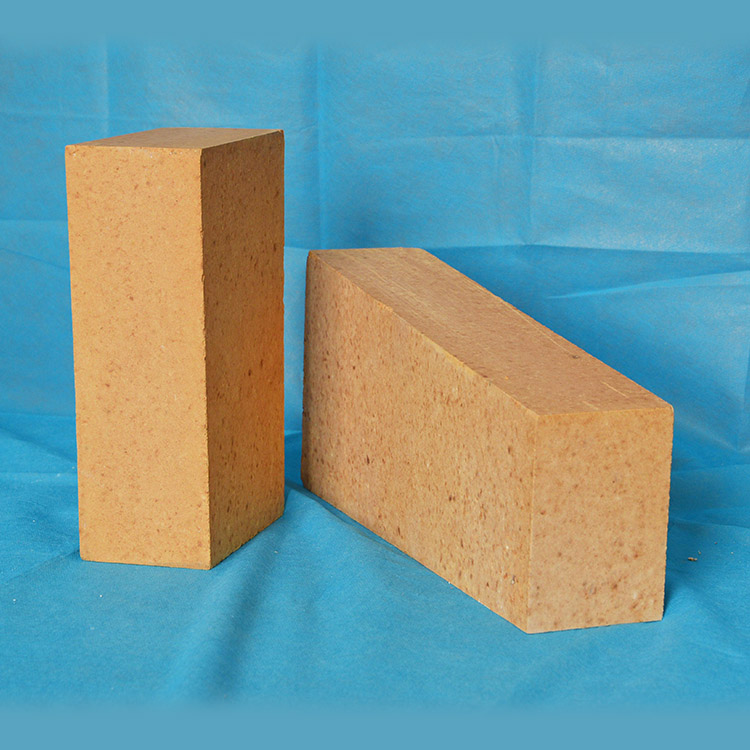
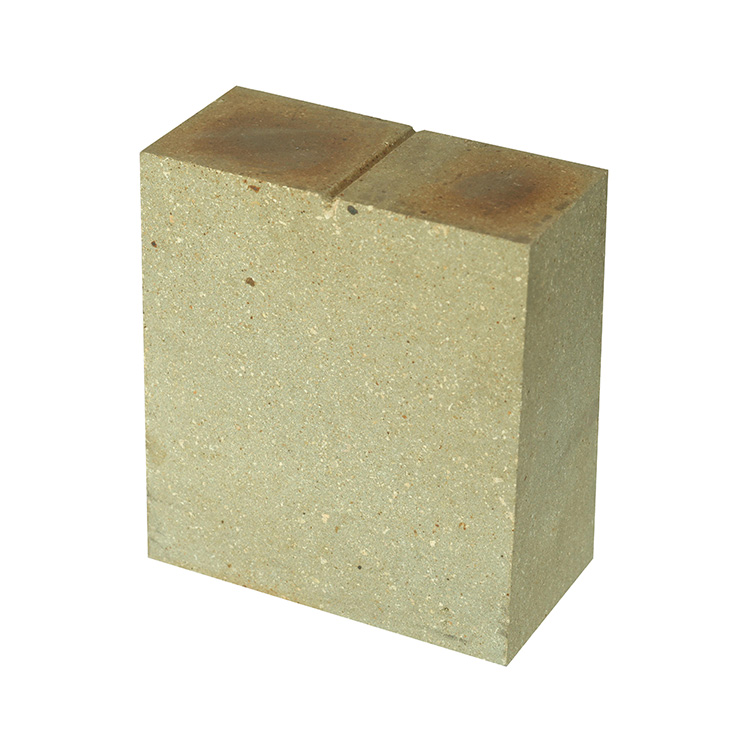
The coke industry is evolving rapidly, demanding cutting-edge refractory materials that drive efficiency and quality. High-density low-porosity silica bricks, boasting a remarkable porosity below 16% and density exceeding 2.38 g/cm3, break through traditional limitations to provide enhanced thermal conductivity and superior high-temperature strength. This innovative solution offers coke plants a path to higher productivity, shorter coking cycles, and extended furnace life.
With escalating demand for higher-quality coke and more sustainable operations, the coke-making process faces intensified pressure on furnace durability and thermal efficiency. Traditional refractory bricks often suffer from high porosity and lower density, leading to decreased thermal conductivity, shorter service life, and frequent maintenance shutdowns. These factors contribute significantly to prolonged coking cycles and operational costs. The development of high-density low-porosity silica bricks addresses these challenges by enhancing material integrity and thermal performance.
The breakthrough in manufacturing these advanced silica bricks lies in optimized raw material selection, precise particle grading, and refined sintering technology. Achieving a porosity level under 16% means drastically fewer microscopic voids, which results in improved heat transfer and mechanical strength. Meanwhile, a density exceeding 2.38 g/cm3 ensures compactness and resistance to thermal shock. Such specifications not only reduce thermal resistance but also provide enhanced dimensional stability under cyclic high-temperature conditions.
Compared to conventional silica bricks, these high-density variants demonstrate up to 15% higher thermal conductivity, facilitating faster heat penetration and more uniform temperature distribution inside the coke oven. Their high-temperature compressive strength improves by approximately 20%, making them more resistant to mechanical stresses and chemical corrosion during prolonged operation. Consequently, coke ovens lined with such bricks showcase a life extension of over 25% compared to standard refractory materials.
Case Study - Shanxi Coking Plant: After retrofitting their coke ovens with high-density low-porosity silica bricks, the plant recorded a reduction in coking cycle from 48 to 44 hours, representing an 8.3% time saving. Maintenance downtime due to furnace lining repairs dropped by 30% within the first 12 months of operation, positively impacting annual output and cost-efficiency.
For coke producers aiming to maximize furnace uptime, optimize energy use, and ensure top-grade coke quality, selecting high-density low-porosity silica bricks is a strategic imperative. These bricks serve as a key enabler for faster thermal ramp-up, reduced chemical degradation, and longer refractory life, directly translating into operational excellence and cost savings. Their integration into retrofit projects offers a scientifically validated pathway to sustainable, productive, and efficient coke oven operation.
Embrace the coke oven retrofit must-read innovation that is reshaping refractory standards. Discover how high-density low-porosity silica bricks can become your industry's game-changer for shorter coking times and superior furnace resilience.

 251
|
251
|
 Zirconia mullite bricks
Refractory material performance
Refractory bricks for glass kilns
High - temperature corrosion - resistant materials
Advantages of zirconia mullite raw materials
Zirconia mullite bricks
Refractory material performance
Refractory bricks for glass kilns
High - temperature corrosion - resistant materials
Advantages of zirconia mullite raw materials
.jpg?x-oss-process=image/resize,h_600,m_lfit/format,webp) 489
|
high-temperature magnesio-chromite bricks
exceptional characteristics
unique raw materials
refractoriness
softening temperature
comparison with magnesia bricks
practical application cases
489
|
high-temperature magnesio-chromite bricks
exceptional characteristics
unique raw materials
refractoriness
softening temperature
comparison with magnesia bricks
practical application cases
.jpg?x-oss-process=image/resize,h_600,m_lfit/format,webp) 334
|
zero expansion silicon bricks for coke oven hot repairs
high thermal shock resistant silicon bricks
low expansion rate refractory materials for cost-effective maintenance
334
|
zero expansion silicon bricks for coke oven hot repairs
high thermal shock resistant silicon bricks
low expansion rate refractory materials for cost-effective maintenance
 437
|
High-density zirconia bricks
Alkali-free glass furnaces
High-temperature bending strength
Resistance to alkali glass corrosion
High-temperature creep
437
|
High-density zirconia bricks
Alkali-free glass furnaces
High-temperature bending strength
Resistance to alkali glass corrosion
High-temperature creep
 136
|
Zirconia-mullite bricks
Glass industry refractories
Refractory erosion resistance
High-performance refractory bricks
Thermal shock stability
136
|
Zirconia-mullite bricks
Glass industry refractories
Refractory erosion resistance
High-performance refractory bricks
Thermal shock stability


.jpg?x-oss-process=image/resize,m_fill,h_200,w_200/format,webp)
.jpg?x-oss-process=image/resize,m_fill,h_200,w_200/format,webp)