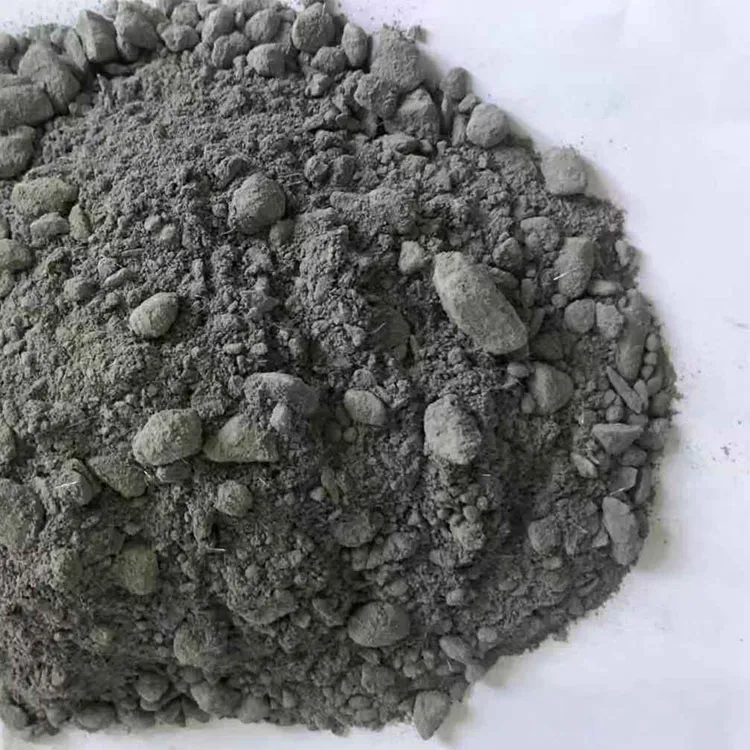
In the evolving landscape of coke production, refractory materials face increasingly stringent demands. Among them, high-density, low-porosity silica bricks have emerged as a game-changer, delivering enhanced thermal conductivity, enhanced high-temperature strength, and prolonged service life. But what precisely enables these bricks to elevate coke oven performance? This article dives deep into the manufacturing intricacies and quality standards behind these advanced silica bricks, guiding you to make informed material choices that optimize your furnace operation.
Modern coke production demands refractory bricks that can withstand intensified thermal cycles, mechanical loads, and corrosive environments. Traditional silica bricks often fall short when it comes to durability and heat transfer efficiency, leading to frequent maintenance and costly downtime. Consequently, the industry is shifting towards refractory materials with superior intrinsic properties.
At the heart of these innovative silica bricks lie three pivotal indicators that dictate their performance:
| Parameter | Standard Value | Impact on Performance |
|---|---|---|
| Apparent Porosity | <16% | Reduced gas permeability and better thermal insulation |
| Bulk Density | >2.38 g/cm³ | Higher mechanical strength and resistance to thermal shock |
| Thermal Conductivity | ≥ 3.0 W/m·K at 800°C | Efficient heat transfer reducing coke production cycle times |
These rigorous parameters are attained through a tightly controlled production process involving precise raw material selection, optimized sintering techniques, and advanced densification methods.
The journey to a high-density, low-porosity silica brick begins with ultra-pure quartz sand and carefully engineered additives that improve particle packing and melting characteristics. The manufacturing process includes several critical steps:
The result is a silica brick ready to endure temperatures exceeding 1600°C with minimal degradation over extended coke oven cycles.
When put side by side, the edge that high-density, low-porosity silica bricks hold becomes evident:
| Performance Metric | Conventional Silica Brick | High-Density, Low-Porosity Silica Brick |
|---|---|---|
| Service Life | ~9 months | >18 months (100% increase) |
| Energy Consumption (per cycle) | Baseline | Reduced by 8–12% |
| Thermal Conductivity | ~2.4 W/m·K | ≥ 3.0 W/m·K |
The enhanced durability significantly lowers maintenance frequency and costs, while superior heat transfer shortens coke production cycles, allowing for increased throughput.
Before switching to high-density silica bricks, enterprises should consider their specific furnace conditions and production targets. Key evaluation criteria include:
Companies can engage suppliers to provide customized testing data or pilot orders, mitigating risk before full-scale implementation.
One leading coke manufacturer adopted these high-density silica bricks and reported impressive outcomes. Over a 12-month period:
Such documented benefits validate the engineering advancements and reinforce confidence in this material's value proposition.
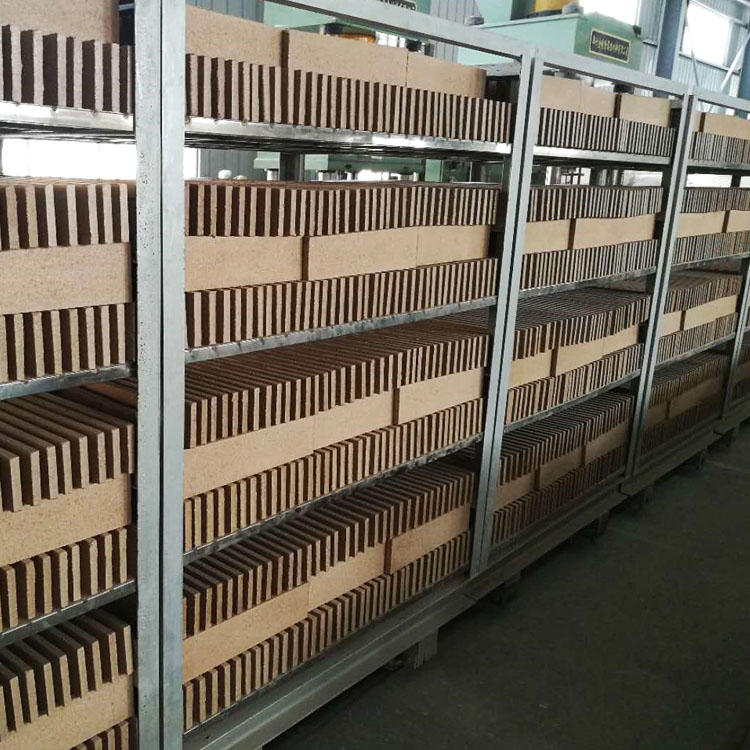
Choosing high-density, low-porosity silica bricks means opting for reliable longevity, enhanced thermal efficiency, and lower overall maintenance costs. This is not just a refractory product; it’s a strategic investment toward sustainable and stable coke production.
What challenges have you encountered with refractory materials in your operations? Share your experience below to join the conversation and learn from industry peers.





