The coke industry has witnessed significant growth in recent years, with an annual production increase of about 5% globally. However, this growth has also brought about more stringent requirements for refractory materials in coke ovens. As coke production scales up and operating temperatures rise, traditional refractory materials struggle to meet the demands in terms of heat resistance, thermal conductivity, and mechanical strength. For example, in some large - scale coke ovens, the traditional refractory materials need to be replaced every 3 - 5 years due to rapid wear and tear, which not only increases production costs but also affects production efficiency.
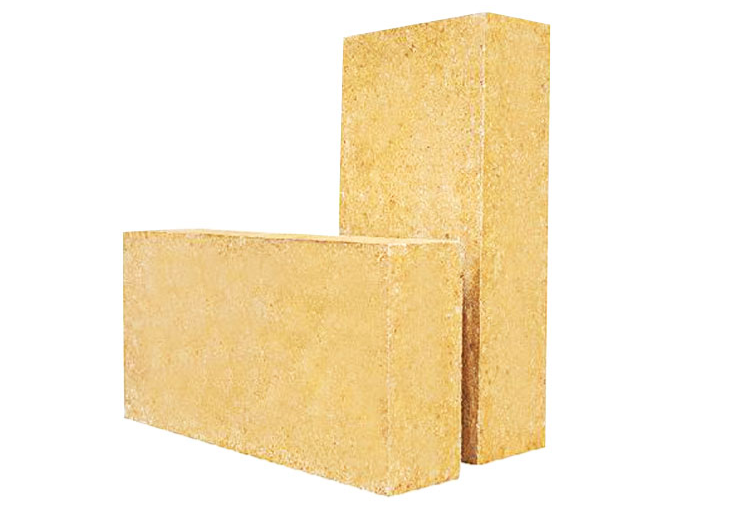
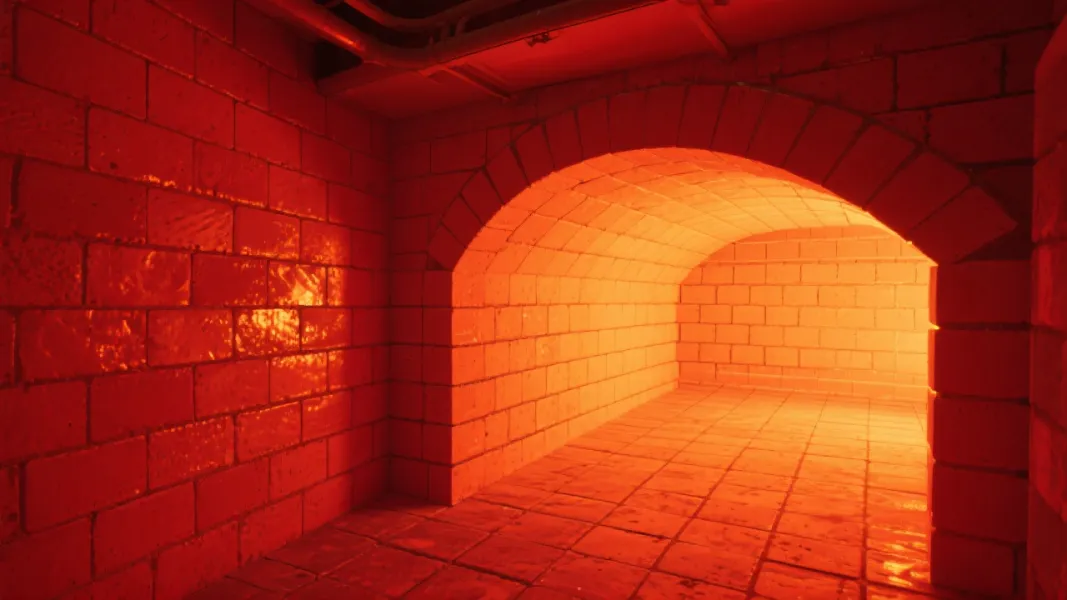
To address the challenges faced by the coke industry, our company developed high - density low - porosity silica bricks. These bricks are a revolutionary product in the field of refractory materials for coke ovens.
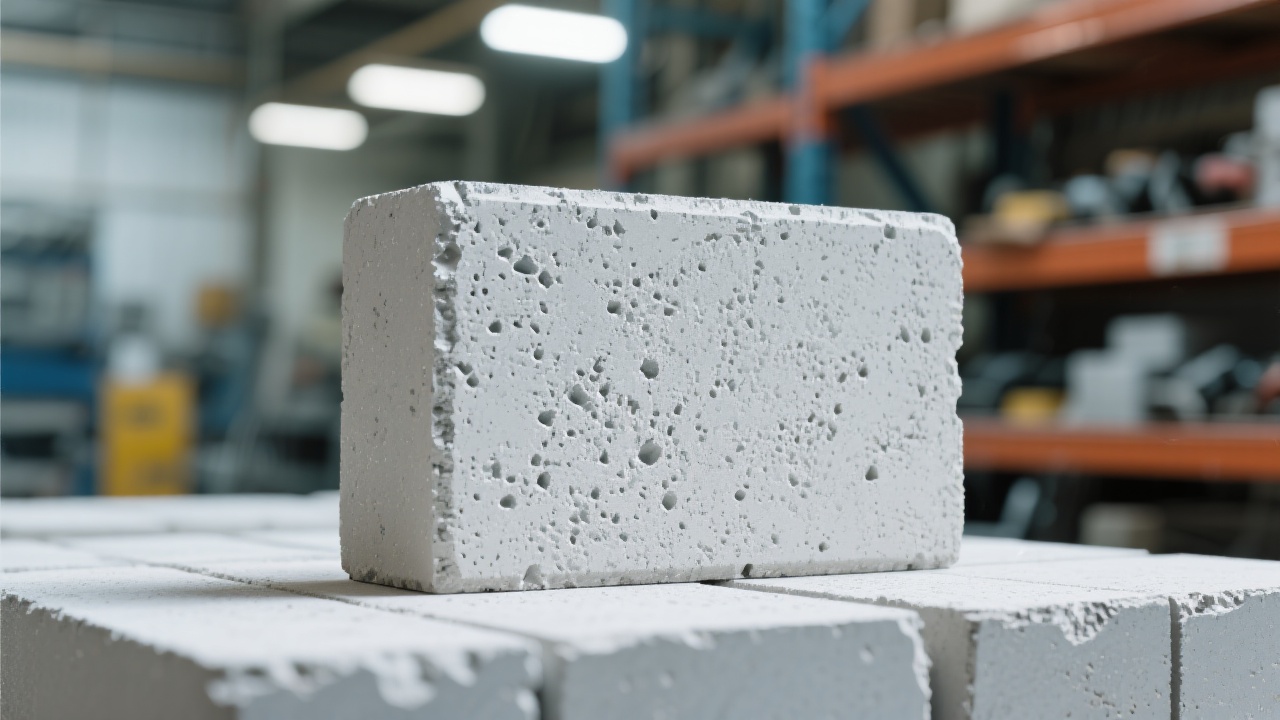
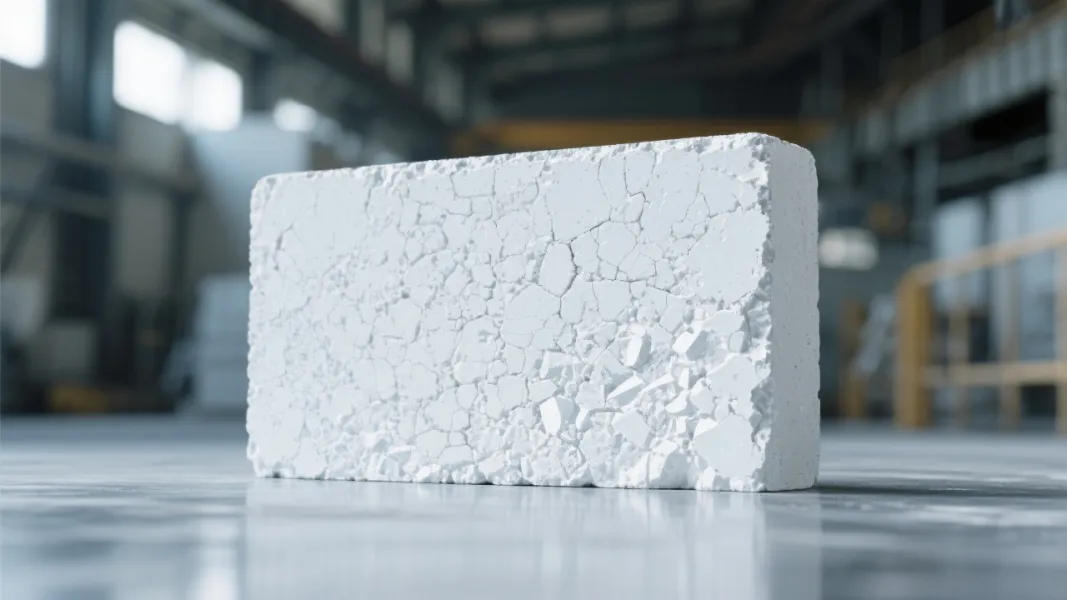
Through advanced manufacturing processes, we have managed to achieve a density greater than 2.38g/cm³. In comparison, traditional silica bricks usually have a density of around 2.2 - 2.3g/cm³. This higher density significantly enhances the mechanical strength of the bricks, making them more resistant to the impact and abrasion in coke ovens.
The high - density low - porosity silica bricks also have excellent thermal conductivity. Their thermal conductivity coefficient can reach 1.8 - 2.0 W/(m·K), which is much higher than that of traditional silica bricks (about 1.2 - 1.5 W/(m·K)). This allows for more efficient heat transfer in the coke oven, improving energy utilization.
In terms of high - temperature compressive strength, the new silica bricks can withstand a pressure of over 50 MPa at 1450°C, while traditional silica bricks can only bear about 30 - 40 MPa under the same conditions. This high - temperature strength ensures the stability of the coke oven structure during high - temperature operation.
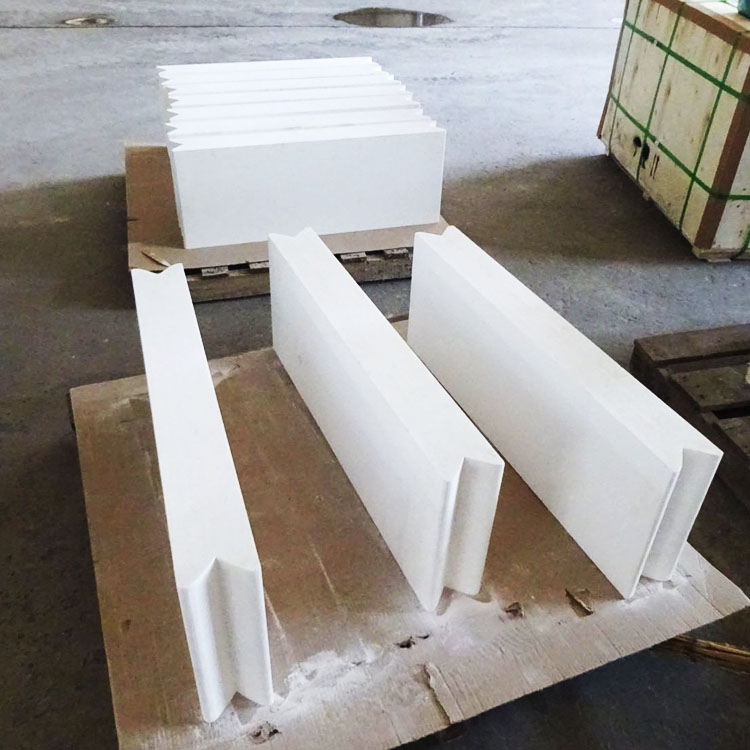
The use of high - density low - porosity silica bricks brings many positive impacts to the overall quality and lifespan of coke ovens, as well as significant practical benefits.
The high density and low porosity of these bricks reduce gas penetration in the coke oven, improving the sealing performance. This not only reduces heat loss but also improves the quality and uniformity of coke production. For example, in a certain coke plant, after using our high - density low - porosity silica bricks, the yield of high - quality coke increased from 80% to 85%.
Due to their excellent high - temperature strength and wear resistance, the high - density low - porosity silica bricks can significantly extend the service life of coke ovens. In some cases, the service life of coke ovens using these bricks can be extended from 5 years to 8 - 10 years, greatly reducing the frequency of equipment replacement and maintenance costs.
The high thermal conductivity of the bricks accelerates the heat transfer process in the coke oven, thus shortening the coking time. Some coke plants have reported that the coking time has been reduced by about 10% - 15% after using these silica bricks, which directly increases production efficiency and reduces energy consumption.
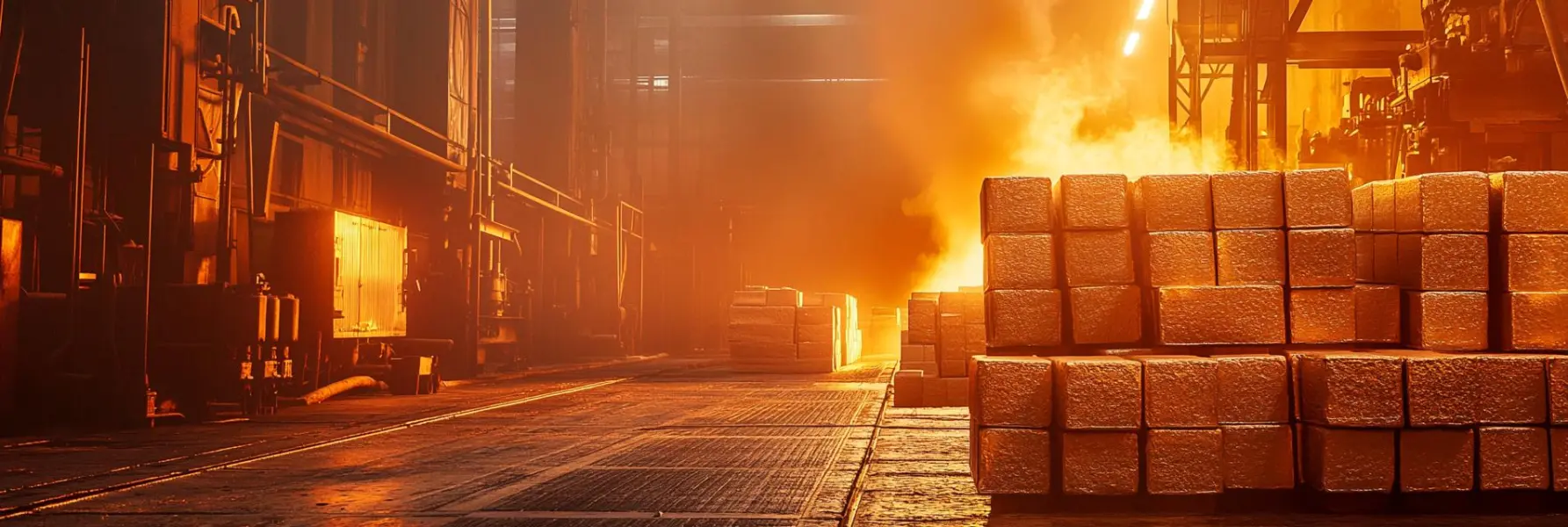
In the highly competitive market of coke oven refractory materials, high - density low - porosity silica bricks offer a series of innovative advantages and commercial value. Their unique technical indicators and practical application effects can help coke - producing enterprises improve production efficiency, reduce costs, and enhance product quality. By choosing our high - density low - porosity silica bricks, you can gain a competitive edge in the market.
Don't miss this opportunity to revolutionize your coke oven operations! Click the link below to learn more about our high - density low - porosity silica bricks and how they can transform your business.
Explore High - Density Low - Porosity Silica Bricks Now!
 33
|
33
|
 magnesia - carbon bricks
refractory materials
efficient production process
antioxidants
industrial furnace performance
magnesia - carbon bricks
refractory materials
efficient production process
antioxidants
industrial furnace performance
 397
|
magnesium brick
erosion resistance
high-temperature performance
material evaluation
industrial applications
397
|
magnesium brick
erosion resistance
high-temperature performance
material evaluation
industrial applications
 85
|
Magnesium-iron spinel bricks
Synthetic magnesium-iron-aluminum spinel bricks
Dry-process cement rotary kiln lining
Corrosion-resistant and high-temperature-resistant materials
Kiln wall bonding performance
85
|
Magnesium-iron spinel bricks
Synthetic magnesium-iron-aluminum spinel bricks
Dry-process cement rotary kiln lining
Corrosion-resistant and high-temperature-resistant materials
Kiln wall bonding performance
 244
|
Magnesia-Carbon Bricks
refractory materials
industrial furnaces
thermal resistance
oxidation resistance
244
|
Magnesia-Carbon Bricks
refractory materials
industrial furnaces
thermal resistance
oxidation resistance
 352
|
Synthetic forsterite bricks
Glass kiln refractory materials
Magnesia - chrome brick alternatives
Environment - friendly refractory materials
Kiln upgrade and retrofit
352
|
Synthetic forsterite bricks
Glass kiln refractory materials
Magnesia - chrome brick alternatives
Environment - friendly refractory materials
Kiln upgrade and retrofit

.jpg?x-oss-process=image/resize,m_fill,h_200,w_200/format,webp)



.jpg?x-oss-process=image/resize,m_fill,h_200,w_200/format,webp)