Application and Performance Analysis of High-Density Silica Refractory Bricks in the International Coke Oven Industry
2025-12-07
Industry Experience
This article provides an in-depth exploration of high-density, low-porosity silica bricks and their exceptional performance in the global coke oven industry. By examining market dynamics and the evolving demands for refractory materials in coke ovens, it highlights key product attributes including high density, superior thermal conductivity, and excellent high-temperature compressive strength. Through detailed case studies and performance comparisons with conventional silica bricks, the article demonstrates how these advanced bricks improve coke oven quality, extend service life, and reduce coking time. Emphasizing stringent quality criteria—such as a finished product porosity below 16% and density exceeding 2.38g/cm³—it equips industry professionals with scientific evaluation tools to assess product suitability, thereby supporting informed purchasing decisions.

The Strategic Role of High-Density Low-Porosity Silica Bricks in International Coke Oven Applications
With the relentless advancement of the global coke industry, the demand for high-performance refractory materials in coke ovens has reached unprecedented levels. This article delves into the application of high-density, low-porosity silica bricks as a pivotal solution, emphasizing their superior material properties and practical impact on coke oven efficiency, durability, and operational cycles.
Market Drivers and Industry Demands
The coke oven sector is continually challenged with optimizing production quality and operational lifespan under extreme thermal and mechanical stress. Incremental improvements in refractory materials translate directly into reduced maintenance downtime, enhanced thermal efficiency, and cost savings. As coke producers strive to meet both environmental standards and output targets, refractory materials with exceptional physical and chemical resilience have become indispensable.
Core Performance Attributes of High-Density Low-Porosity Silica Bricks
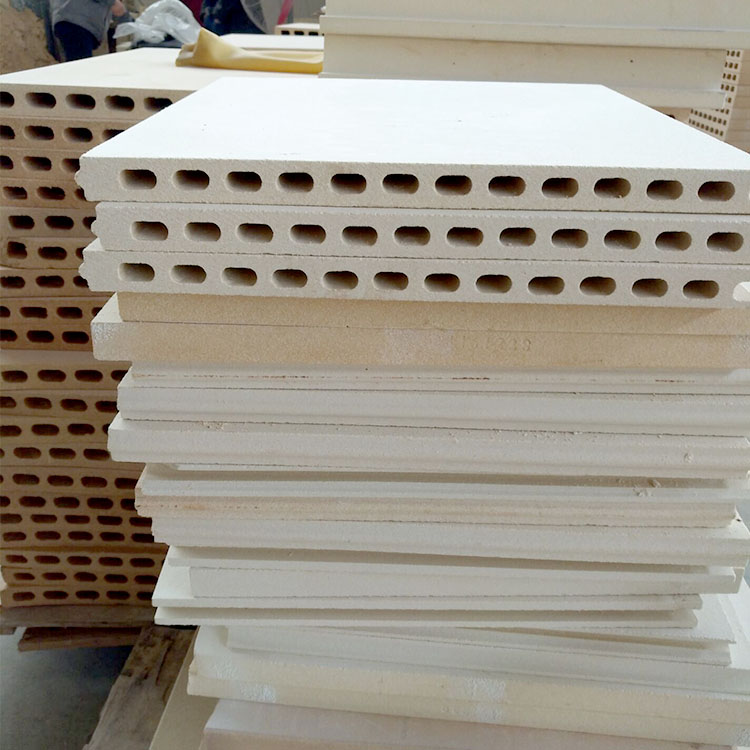
High-density silica bricks characterized by a density exceeding 2.38 g/cm³ and porosity below 16% exhibit remarkable features advantageous to coke oven integrity:
- High Density & Low Porosity: Reduces permeability to corrosive gases and molten slag.
- Superior Thermal Conductivity: Facilitates uniform heat distribution, minimizing thermal gradients that cause cracking.
- Enhanced High-Temperature Compressive Strength: Maintains structural stability under cyclic thermal stress, withstanding pressures beyond 30 MPa at temperatures exceeding 1600°C.
| Property |
High-Density Silica Brick |
Standard Silica Brick |
| Bulk Density (g/cm³) |
≥2.38 |
2.10 - 2.20 |
| Open Porosity (%) |
<16 |
20 - 25 |
| Thermal Conductivity (W/m·K) |
3.5 - 4.0 |
2.5 - 3.0 |
| Compressive Strength @1600°C (MPa) |
≥30 |
≤25 |
Case Studies Illustrating Operational Excellence
Leading coke manufacturers integrating high-density, low-porosity silica bricks into their coke ovens report tangible improvements:
- Extension of furnace lining lifespan by up to 20%, drastically reducing costly overhaul frequency.
- Reduction of coking cycle time by approximately 10-15%, enhancing throughput without compromising coke quality.
- Improved resistance against chemical erosion, lowering maintenance interventions.

Quality Benchmarking: Porosity and Density
Strict adherence to quality parameters is essential for ensuring reliable refractory performance:
- Maintaining product’s open porosity below 16% minimizes gas and slag infiltration.
- Achieving a bulk density over 2.38 g/cm³ correlates with superior mechanical and thermal properties.
Such stringent standards empower operators to reliably assess product compatibility with specific furnace conditions, minimizing operational risk associated with premature refractory failure.
Guiding Informed Procurement Decisions
For decision-makers evaluating refractory bricks, performance data and operational case insights should form the basis of procurement criteria. Factors to weigh include:
- Matching the refractory’s physical properties to your furnace's operational temperature and pressure demands.
- Assessing supplier’s quality control rigor, especially in maintaining consistent density and porosity.
- Considering total cost of ownership by factoring enhanced durability and reduced downtime benefits.
Adopting predictive evaluation tools and requesting empirical performance reports from suppliers can substantially improve purchasing confidence.
Join the Conversation
Have questions or insights about silica bricks for coke ovens? Share your thoughts below or contact our experts to explore customized refractory solutions.