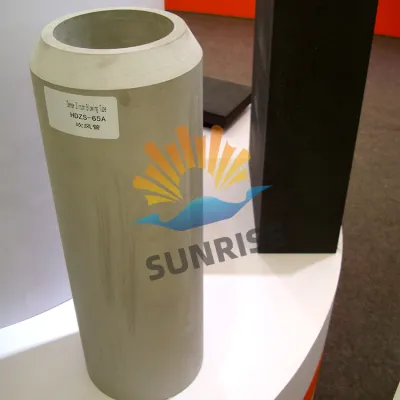
In high-temperature industrial environments like glass melting furnaces and nuclear reactors, material failure isn’t just costly—it’s dangerous. Traditional refractory bricks often degrade under extreme heat, leading to frequent downtime, contamination risks, and shortened equipment life. That’s where high-density zirconia brick comes in.
Engineered for precision performance, this advanced ceramic material delivers exceptional resistance to alkali attack, minimal creep at temperatures above 1400°C, and superior flexural strength—making it ideal for critical components such as melt pool bottoms, forehearths, and channel blocks.
| Property | Typical Value | Industry Impact |
|---|---|---|
| Density (g/cm³) | 4.5–5.0 | Reduces porosity → better corrosion resistance |
| Flexural Strength (MPa) | ≥ 120 MPa | Minimizes breakage during handling/installation |
| Thermal Shock Resistance | > 10 cycles @ 1000°C | Enables stable operation despite temperature fluctuations |
“Glass manufacturers using high-density zirconia bricks report up to 30% longer furnace life and 25% fewer unplanned shutdowns.” — Global Refractories Report 2023
The true value of high-density zirconia brick lies in its targeted application. In a typical float glass furnace:
For nuclear applications, the same properties ensure long-term safety in reactor vessels where even minor degradation can lead to regulatory non-compliance or operational delays.
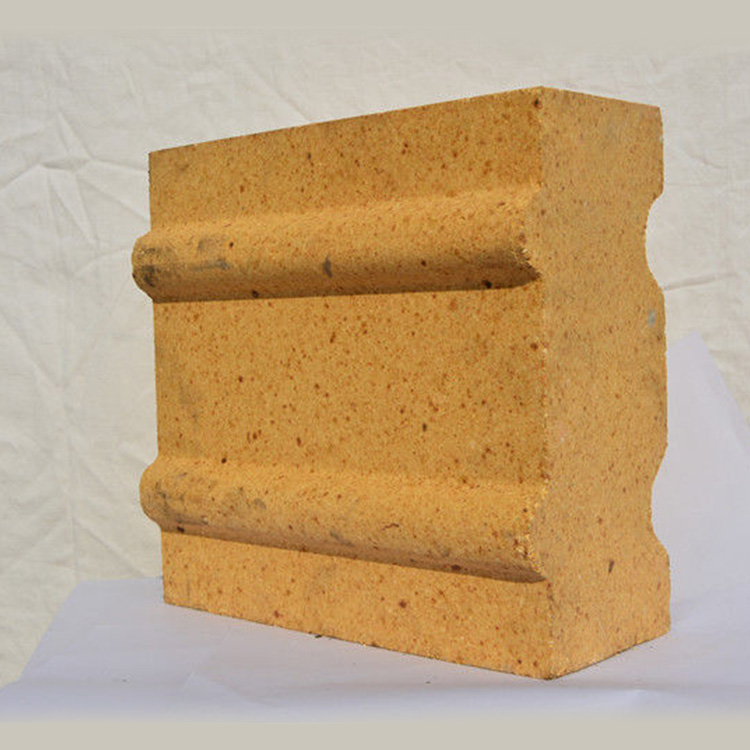
Real-world case studies from European and Middle Eastern glass producers show consistent improvements in product quality, reduced maintenance costs, and faster return on investment—often within 12 months of installation.
Whether you're running a high-purity glass line or managing a nuclear facility, choosing the right refractory isn't just about durability—it’s about building trust in your process.
Ready to reduce downtime and extend your kiln’s service life? Get our free technical datasheet and application guide tailored to your industry needs.
Download Technical Guide Now – No Risk, Just Results