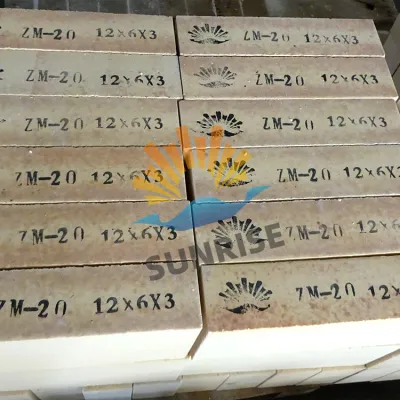
In the high-temperature environment of a glass melting furnace, choosing the right refractory material isn’t just about durability—it’s about efficiency, safety, and long-term cost savings. Many manufacturers still rely on traditional bricks that degrade quickly under thermal stress or chemical attack from molten glass. But what if you could extend your furnace life by up to 40% while reducing downtime?
Zirconia mullite brick stands out because of its unique composition and advanced manufacturing process. Unlike standard fireclay or high-alumina bricks, it contains over 70% alumina phase, more than 19% zirconia (zircon), and around 7% mullite—resulting in exceptional density (>2.8 g/cm³) and purity (>98%). This means fewer micro-pores for glass infiltration and better resistance to thermal shock.
| Material Type | Alumina (%) | Thermal Shock Resistance | Glass Erosion Rate (mm/year) |
|---|---|---|---|
| Standard Fireclay | 40–50% | Low | 3.5–5.0 |
| High-Alumina Brick | 60–75% | Medium | 2.0–3.0 |
| Zirconia Mullite Brick | >70% | Very High | 0.8–1.2 |
A major European flat glass producer replaced their old high-alumina bricks with zirconia mullite bricks in the crown section of their tank furnace. Within six months, they reported a 38% reduction in refractory wear and a 15% improvement in energy efficiency due to reduced heat loss. More importantly, furnace shutdowns for maintenance dropped from monthly to quarterly—a direct impact on production continuity.
Another case involved a Middle Eastern container glass plant where frequent cracking caused unexpected failures. After switching to zirconia mullite bricks made using water-based aluminum hydroxide binders and optimized sintering at 1650°C, they experienced zero thermal spalling incidents over 18 months—an outcome previously unseen with conventional materials.
The key lies not just in raw ingredients but in how they’re processed. Water-hydrolyzed alumina binders create stronger interparticle bonds during firing, leading to higher mechanical strength and lower porosity. Combined with precise control of temperature and atmosphere during kiln firing, this ensures consistent performance even in extreme conditions like those found in regenerative burners or cullet zones.
If you're evaluating refractories for your next project—or troubleshooting recurring issues in an existing furnace—understanding these differences can make all the difference between routine repairs and long-term reliability.
We welcome your feedback—drop a comment below with your biggest challenge in refractory management!