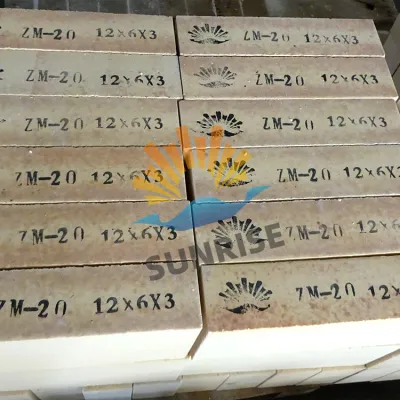
In the glass industry, refractory materials play a pivotal role in ensuring efficient production and high - quality products. The key requirements for these materials include high temperature resistance, excellent thermal shock stability, and strong resistance to chemical corrosion from molten glass. For instance, a glass melting furnace typically operates at temperatures ranging from 1400°C to 1600°C, demanding refractory materials that can withstand such extreme heat without significant degradation.
Let's take a look at some common refractory materials and their limitations:
| Material | Limitations |
|---|---|
| High - Alumina Bricks | Although they have relatively high alumina content (usually 48% - 90%), their thermal shock stability is relatively poor. In a glass furnace with frequent temperature changes, they are prone to cracking and spalling, which shortens the service life of the furnace. |
| Corundum Bricks | With a corundum phase of ≥70%, they have high hardness and wear resistance. However, their high cost and relatively low thermal shock resistance make them less suitable for some glass production lines with complex operating conditions. |
| Magnesium - Chromium Bricks | They have good corrosion resistance, but the presence of chromium can cause environmental pollution. In many countries and regions, the use of magnesium - chromium bricks is restricted due to environmental regulations. |
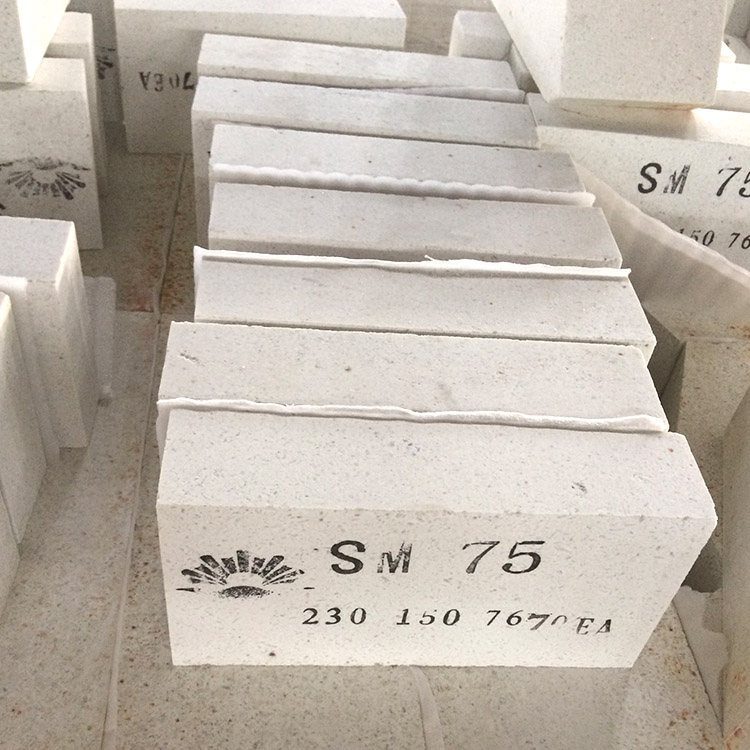
Zirconia - mullite bricks are made from high - quality raw materials such as zircon sand, alumina, and silica. Through a high - temperature sintering process at around 1700°C, these raw materials react to form a dense and stable crystal structure. This unique process endows zirconia - mullite bricks with excellent physical and chemical properties.
Zirconia - mullite bricks have outstanding thermal shock stability. They can withstand rapid temperature changes without cracking or spalling. In a glass furnace, where the temperature may fluctuate by hundreds of degrees during the melting and cooling cycles, zirconia - mullite bricks can maintain their structural integrity, which significantly reduces the maintenance frequency of the furnace.
Thanks to their high density and stable crystal structure, zirconia - mullite bricks have strong resistance to spalling. Even under the impact of mechanical forces and thermal stress, the surface of the bricks remains intact, ensuring the long - term stable operation of the furnace.
Zirconia - mullite bricks have a strong ability to resist the erosion of molten glass. The chemical composition of the bricks forms a protective layer on the surface when in contact with molten glass, preventing the penetration and corrosion of the glass, thereby extending the service life of the furnace.
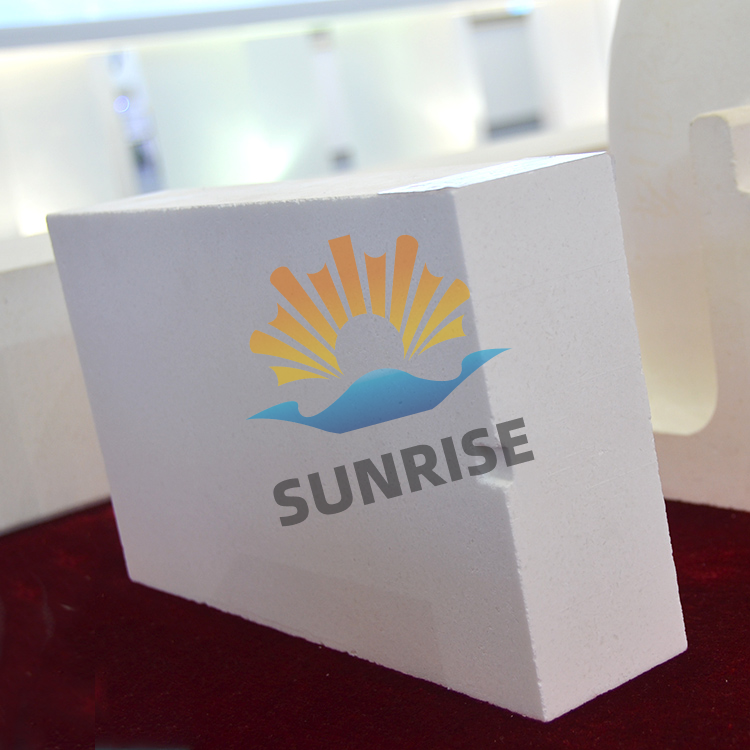
In a large - scale glass factory, after replacing the original high - alumina bricks with zirconia - mullite bricks, the service life of the furnace increased from 1.5 years to 3 years. The frequency of furnace shutdowns for maintenance decreased by 60%, and the production efficiency increased by about 20%. Another glass factory reported that the quality of the glass products improved significantly after using zirconia - mullite bricks, with a reduction in product defects by 30%.
Based on the above analysis, zirconia - mullite bricks are the ideal choice for the glass industry. Their excellent thermal shock stability, spalling resistance, and resistance to glass erosion can effectively improve the service life and operating stability of the furnace, reduce production costs, and improve product quality. Let your furnace be more durable, starting from a good brick!
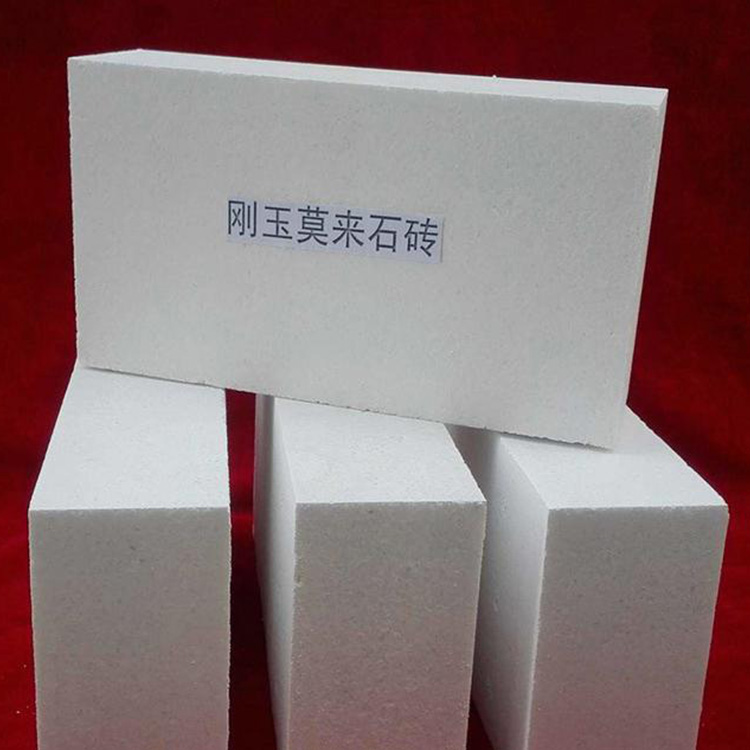
Is your furnace often damaged by thermal shock? Leave a message and tell us! If you want to learn more about zirconia - mullite bricks or request samples, click here to get started.