In the ever - evolving landscape of the coke industry, the performance requirements for refractory materials in coke ovens are becoming increasingly stringent. Specifically, factors such as compactness, thermal conductivity, and high - temperature compressive strength are under the spotlight. High - density, low - porosity silica bricks, a high - performance refractory material designed specifically for coke ovens, have emerged as a game - changer.
As the coke industry expands, traditional refractory materials struggle to meet the growing demands of coke ovens. This has spurred the development of high - density, low - porosity silica bricks. These bricks are engineered to have a porosity of less than 16% and a density greater than 2.38 g/cm³. For example, in a large - scale coke plant in Germany, the old refractory materials had a porosity of around 20% and a density of about 2.35 g/cm³. After replacing them with high - density, low - porosity silica bricks, the overall performance of the coke oven improved significantly.

In terms of compactness, the low porosity of these silica bricks means fewer gaps and a more solid structure. This not only enhances the overall quality of the coke oven but also provides better resistance against the penetration of corrosive substances. Regarding thermal conductivity, the high - density design allows for more efficient heat transfer within the coke oven. Studies have shown that high - density, low - porosity silica bricks can increase the thermal conductivity by approximately 15% compared to traditional bricks. This leads to more uniform heating and shorter coking times.
When it comes to high - temperature compressive strength, these bricks can withstand extreme conditions inside the coke oven. In a real - world scenario, a coke plant in the United States reported that after using high - density, low - porosity silica bricks, the coke oven could operate at a higher temperature without significant deformation, thereby extending the service life of the coke oven by up to 20%.
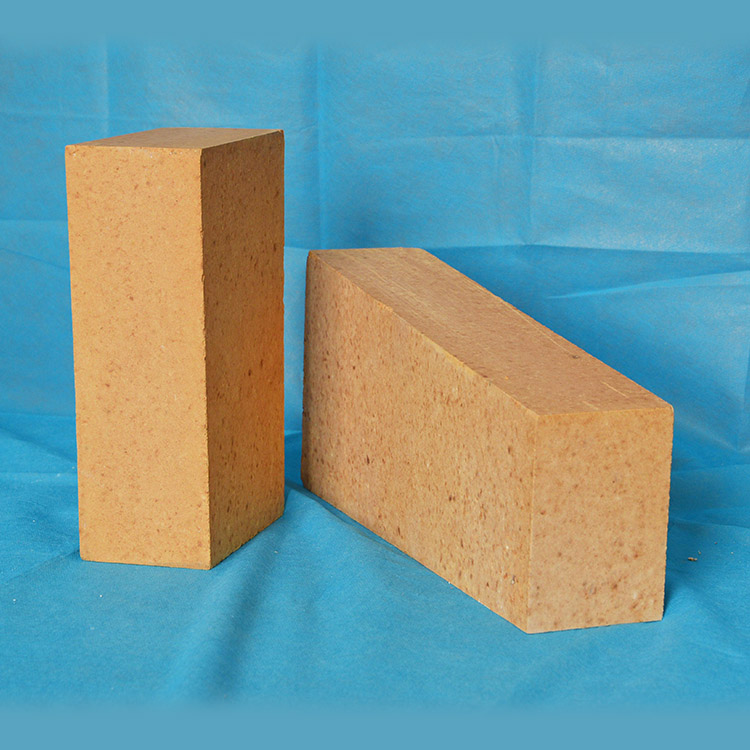
Let's take a closer look at a case study. A medium - sized coke plant in India was facing issues with frequent repairs and long coking times due to the use of traditional refractory materials. After switching to high - density, low - porosity silica bricks, the coking time was reduced from an average of 24 hours to 20 hours. Additionally, the number of major repairs decreased from once every two years to once every three years, resulting in significant cost savings.
A comparison table below further illustrates the advantages of high - density, low - porosity silica bricks:
| Indicator | Traditional Refractory Bricks | High - density, Low - porosity Silica Bricks |
|---|---|---|
| Porosity | Around 20% | Less than 16% |
| Density (g/cm³) | About 2.35 | Greater than 2.38 |
| Thermal Conductivity Increase | N/A | Approximately 15% |
| Service Life Extension | N/A | Up to 20% |
For procurement decision - makers in the coke industry, understanding the value of high - density, low - porosity silica bricks is crucial. These bricks not only offer technical advantages but also translate into significant economic benefits in the long run. By investing in these high - performance refractory materials, coke plants can improve their efficiency, reduce maintenance costs, and gain a competitive edge in the market.
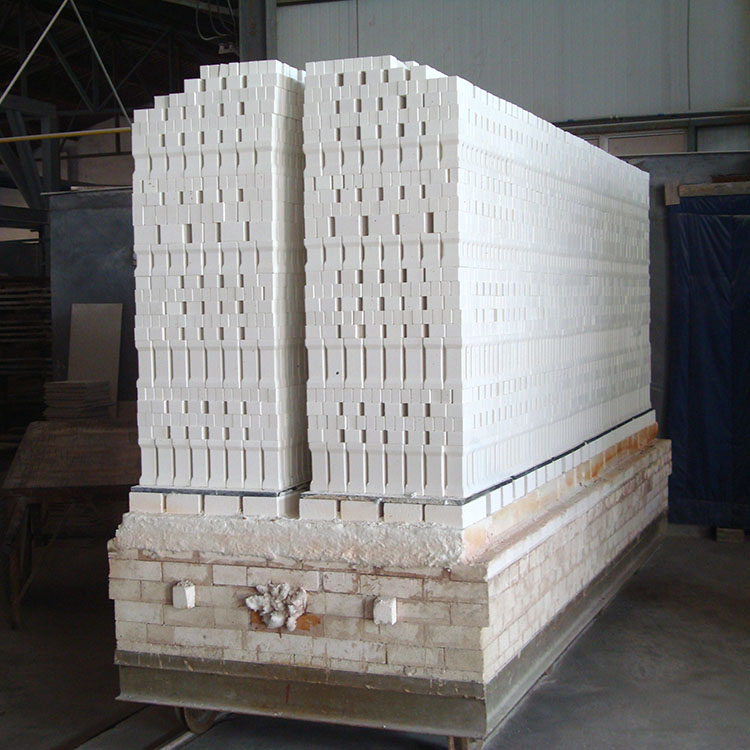
Don't miss out on the opportunity to revolutionize your coke oven operations. Click here to learn more about our high - density, low - porosity silica bricks and make a smart procurement decision today!