.jpg?x-oss-process=image/resize,h_1000,m_lfit/format,webp)
In recent years, the coke industry has witnessed significant development, which has brought new challenges to the performance of coke oven refractory materials. Traditional refractory materials often face problems such as short service life, low thermal conductivity, and poor high - temperature strength, which not only affect the efficiency of coke production but also increase production costs.
.jpg)
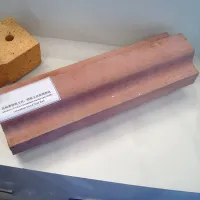
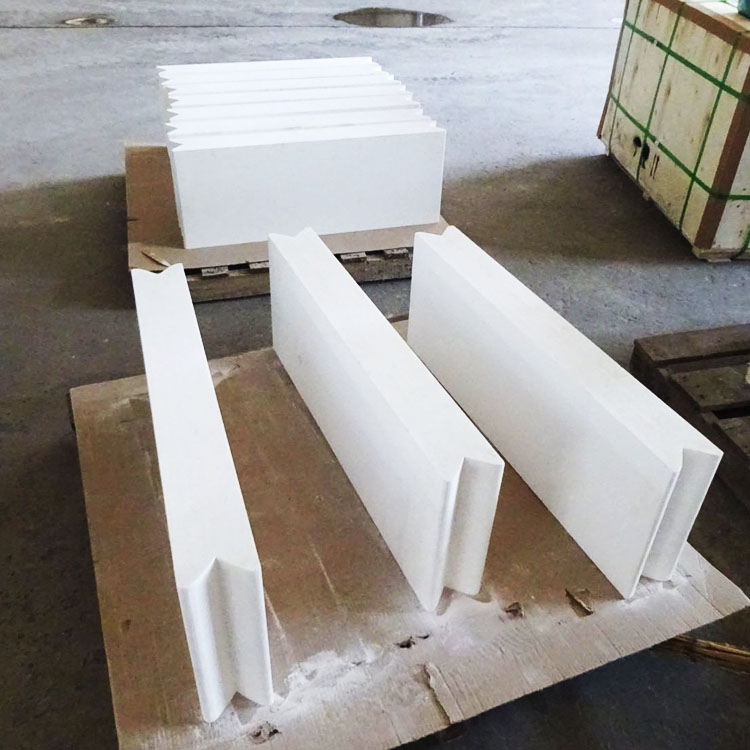
To address these challenges, researchers have developed high - density low - porosity silica bricks. The development of these bricks is based on in - depth research on the working environment of coke ovens and the performance requirements of refractory materials. The core indicators of high - density low - porosity silica bricks are a porosity of less than 16% and a density greater than 2.38 g/cm³. These indicators ensure that the bricks have excellent physical and chemical properties.
"High - density low - porosity silica bricks, with a porosity of less than 16% and a density greater than 2.38 g/cm³, bring revolutionary changes to the performance of coke ovens."
These silica bricks have achieved significant technical breakthroughs in several aspects. Firstly, in terms of thermal conductivity, the low porosity structure reduces the heat transfer resistance, allowing heat to be transferred more quickly in the coke oven. This not only improves the heating efficiency of the coke oven but also shortens the coking time. Secondly, in high - temperature strength, the high - density structure enables the bricks to maintain good mechanical properties at high temperatures, effectively resisting deformation and cracking.
In addition, high - density low - porosity silica bricks also have excellent anti - erosion capabilities. In the harsh environment of the coke oven, they can resist the erosion of various chemical substances, such as acidic gases and molten slag, thereby extending their service life.
Let's look at some real - world examples. A coke production enterprise replaced traditional refractory materials with high - density low - porosity silica bricks in its coke oven. After a period of operation, the data showed that the service life of the coke oven was extended by more than 30%. At the same time, the coking time was shortened by about 20%, which significantly improved production efficiency and reduced production costs.
Another enterprise conducted a comparative test between high - density low - porosity silica bricks and traditional refractory materials. The results showed that under the same working conditions, the high - density low - porosity silica bricks had less wear and tear, and their performance remained stable for a longer time.
High - density low - porosity silica bricks have become the key choice for coke oven upgrades. Their excellent performance can effectively solve the problems faced by traditional refractory materials, such as short service life and low efficiency. By using these silica bricks, you can not only extend the service life of your coke oven but also optimize the coking process, making your coke production more efficient and stable.
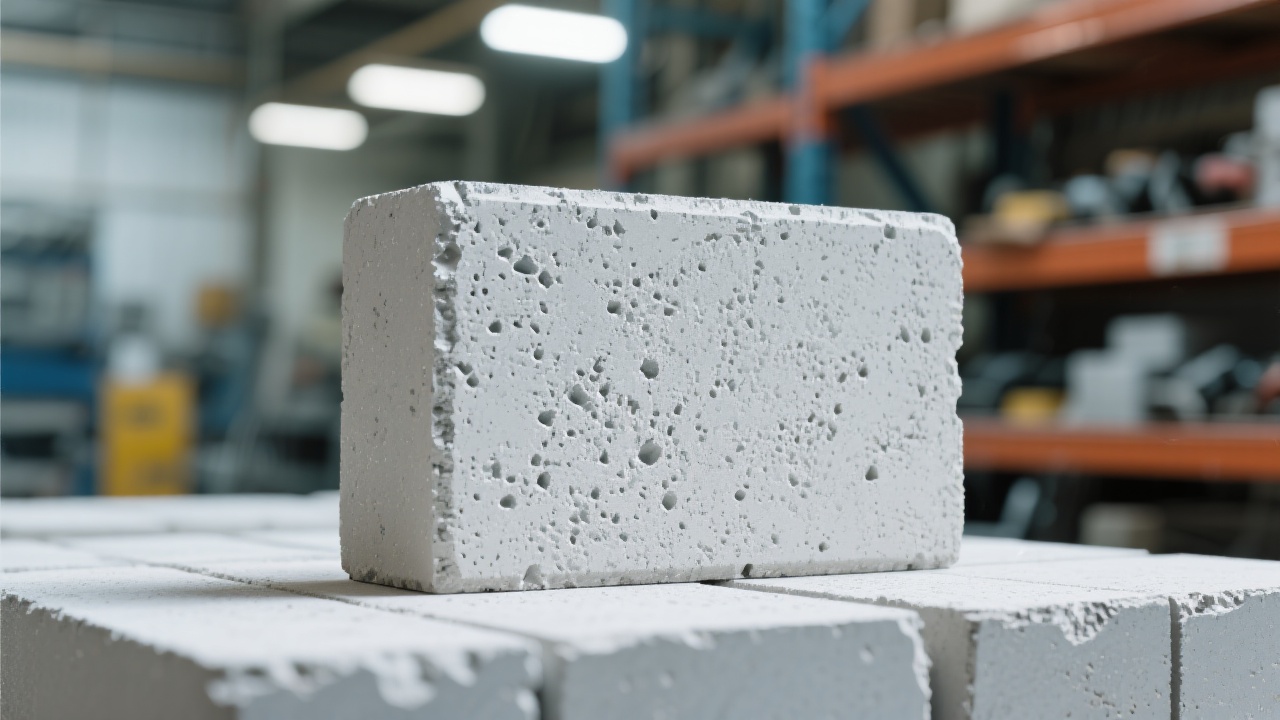
In conclusion, high - density low - porosity silica bricks offer a reliable solution for the coke industry. They can help you from the source to improve the performance of your coke oven, making it more durable and efficient. If you are looking for high - quality refractory materials for your coke oven, don't miss this opportunity. Click here to learn more about high - density low - porosity silica bricks and take the first step towards upgrading your coke oven!
.jpg?x-oss-process=image/resize,h_600,m_lfit/format,webp)
 178
|
178
|
 high-quality silica bricks for glass furnaces
silica brick technology
cost reduction in glass production
high-quality silica bricks for glass furnaces
silica brick technology
cost reduction in glass production
 238
|
["magnesia bricks"
"high-temperature kiln refractory materials"
"mechanical strength"
"alkali slag resistance"
"kiln performance improvement"]
238
|
["magnesia bricks"
"high-temperature kiln refractory materials"
"mechanical strength"
"alkali slag resistance"
"kiln performance improvement"]
 455
|
zirconia mullite bricks
refractory material performance
spalling - resistant refractory bricks
glass furnace refractories
high - temperature stability
455
|
zirconia mullite bricks
refractory material performance
spalling - resistant refractory bricks
glass furnace refractories
high - temperature stability
 197
|
Dense zirconium blocks
Low - alkali borosilicate glass furnaces
Thermal shock stability
Alkali corrosion resistance
Furnace key parts
197
|
Dense zirconium blocks
Low - alkali borosilicate glass furnaces
Thermal shock stability
Alkali corrosion resistance
Furnace key parts
 455
|
magnesia bricks
high-temperature kiln maintenance
alkali slag resistance
refractory materials for kilns
kiln operational stability
455
|
magnesia bricks
high-temperature kiln maintenance
alkali slag resistance
refractory materials for kilns
kiln operational stability
.jpg?x-oss-process=image/resize,m_fill,h_200,w_200/format,webp)


.jpg?x-oss-process=image/resize,m_fill,h_200,w_200/format,webp)
.jpg?x-oss-process=image/resize,m_fill,h_200,w_200/format,webp)