In the evolving landscape of the coke industry, the demand for efficient and long - lasting coke ovens has never been higher. Traditional silica bricks, once the mainstay of coke oven construction, have shown significant limitations over time. These limitations have spurred a technological revolution, leading to the development of high - density, low - porosity silica bricks.
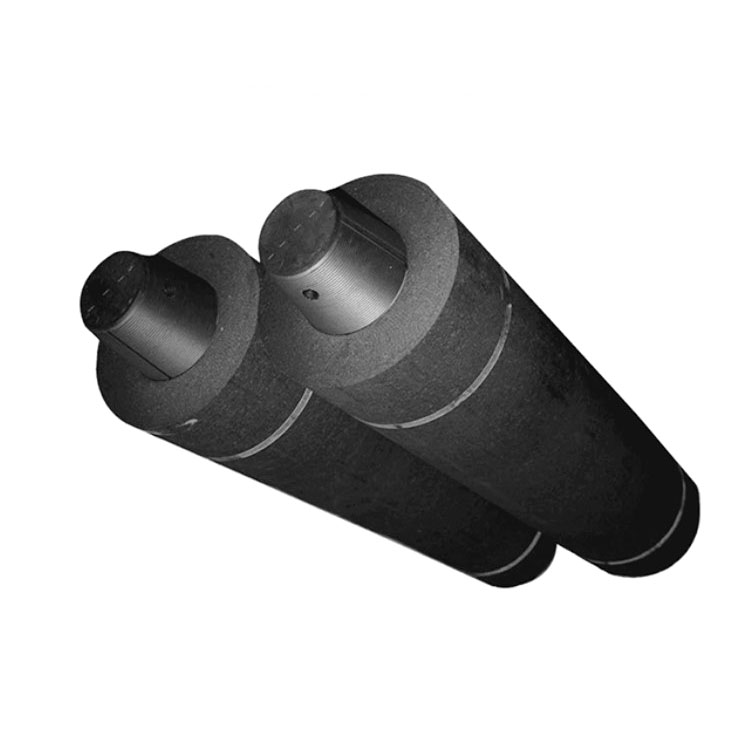
Traditional silica bricks typically have a relatively high porosity (often above 20%) and a lower density (around 2.30 - 2.35 g/cm³). This high porosity makes them more susceptible to chemical corrosion and mechanical damage. As a result, coke ovens lined with traditional silica bricks often have a shorter lifespan, typically around 15 - 20 years. Additionally, the lower density and higher porosity lead to poor thermal conductivity and lower high - temperature strength, which in turn increases the coking time and reduces the overall efficiency of the coke oven.
The high - density, low - porosity silica bricks developed by Risheng have two key parameters: a porosity of less than 16% and a density greater than 2.38 g/cm³. These parameters bring about a series of improvements in coke oven performance.
| Parameter | Traditional Silica Bricks | High - Density, Low - Porosity Silica Bricks |
|---|---|---|
| Porosity | Above 20% | Less than 16% |
| Density (g/cm³) | 2.30 - 2.35 | Greater than 2.38 |
The low porosity of these new silica bricks significantly enhances their resistance to chemical corrosion and mechanical wear. This means that coke ovens lined with these bricks can operate for a longer time without major repairs. In fact, real - world applications have shown that coke ovens using high - density, low - porosity silica bricks can have a lifespan extended by up to 3 - 5 years compared to those using traditional bricks. This not only saves a large amount of maintenance costs but also reduces the downtime of the coke oven.
The high density and low porosity also improve the thermal conductivity of the bricks. As a result, the coking time can be shortened by approximately 10 - 15%. This increase in efficiency directly translates into higher production capacity and lower energy consumption for coking enterprises.
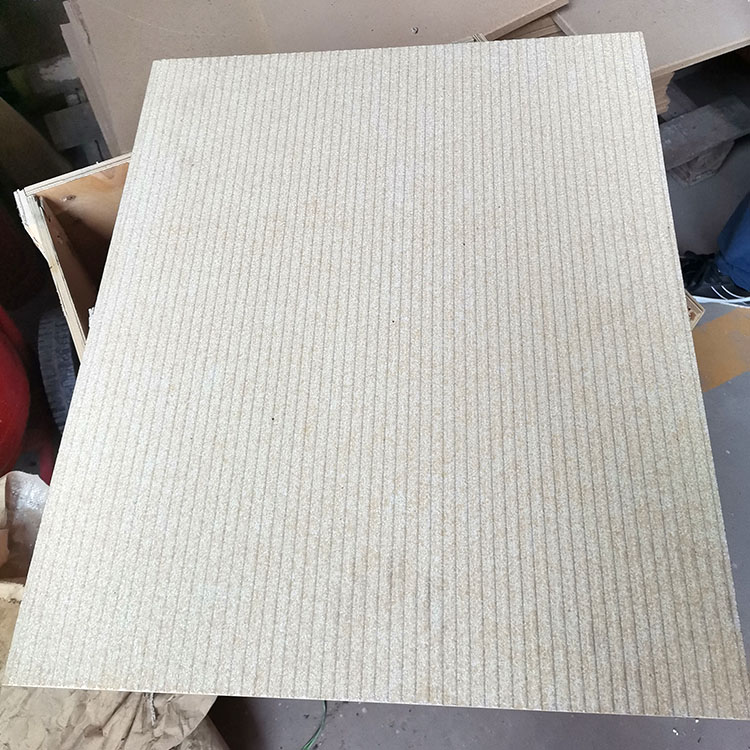
For coking enterprises, the cost - benefit ratio of using high - density, low - porosity silica bricks is very attractive. Although the initial investment in these bricks may be slightly higher than that of traditional bricks, the long - term savings in maintenance costs and the increase in production efficiency far outweigh the additional cost. For example, a medium - sized coking plant can save up to $500,000 in maintenance costs over a 10 - year period by using these new bricks. Moreover, the increased production capacity can bring in additional annual revenues of approximately $800,000.
In the current market, the trend is clearly moving towards the use of high - performance refractory materials. While there are other competitors in the market, Risheng's high - density, low - porosity silica bricks stand out due to their superior performance and cost - effectiveness. Not all silica bricks can withstand high temperatures and pressures, but Risheng's products have been proven to do so through rigorous testing and real - world applications.
When considering the use of high - density, low - porosity silica bricks, coking enterprises should first assess their specific needs. Factors such as the size of the coke oven, the type of coal used, and the production requirements should all be taken into account. It is also recommended to work closely with Risheng's technical team to ensure the proper installation and use of these bricks.
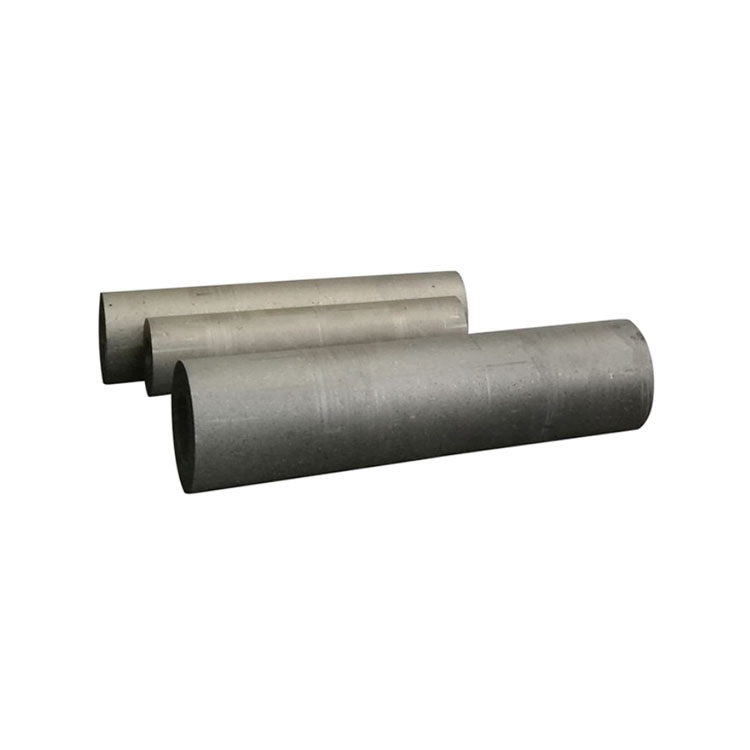
Are you looking to extend the lifespan of your coke oven and improve its efficiency? Don't miss out on the opportunity to transform your coking operations with Risheng's high - density, low - porosity silica bricks. Click here to learn more and find the perfect solution for your coke oven.

 492
|
492
|
 Silica bricks for glass furnaces
Refractory material performance
Furnace maintenance cost
Silica brick application value
High - temperature volume stability
Silica bricks for glass furnaces
Refractory material performance
Furnace maintenance cost
Silica brick application value
High - temperature volume stability
 441
|
["magnesium carbon brick antioxidants"
"magnesium carbon brick production process"
"refractory material technology"
"antioxidant addition ratio"
"high-performance refractory bricks"]
441
|
["magnesium carbon brick antioxidants"
"magnesium carbon brick production process"
"refractory material technology"
"antioxidant addition ratio"
"high-performance refractory bricks"]
.jpg?x-oss-process=image/resize,h_600,m_lfit/format,webp) 312
|
High-Density Silica Brick
Refractory Materials for Coke Ovens
High-Performance Silica Brick
312
|
High-Density Silica Brick
Refractory Materials for Coke Ovens
High-Performance Silica Brick
 139
|
Dense zirconium blocks
Alkali - free glass fiber furnaces
Furnace maintenance costs
Zirconium block application cases
High - temperature corrosion - resistant materials
139
|
Dense zirconium blocks
Alkali - free glass fiber furnaces
Furnace maintenance costs
Zirconium block application cases
High - temperature corrosion - resistant materials
 54
|
glass furnace silicon brick
high temperature stable refractory
silicon brick for glass kiln
refractory material performance
glass manufacturing durability
54
|
glass furnace silicon brick
high temperature stable refractory
silicon brick for glass kiln
refractory material performance
glass manufacturing durability


.jpg?x-oss-process=image/resize,m_fill,h_200,w_200/format,webp)
.jpg?x-oss-process=image/resize,m_fill,h_200,w_200/format,webp)
.jpg?x-oss-process=image/resize,m_fill,h_200,w_200/format,webp)