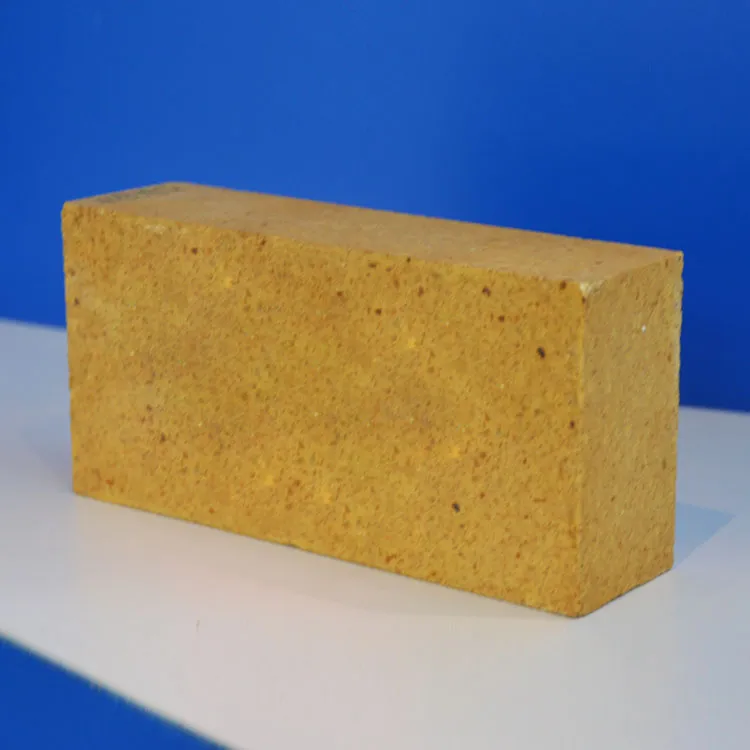
Are you grappling with frequent refractory failures in your high-temperature industrial equipment? Challenges such as thermal shock cracks, severe corrosion, and dimensional instability are common culprits undermining your kiln or furnace operational efficiency and lifespan. In today's competitive industrial landscape, optimizing the durability and performance of refractory linings has become essential. This article dives deep into how magnesia-alumina spinel bricks offer a transformative solution compared to conventional refractory options.
High-temperature equipment like steel furnaces and cement rotary kilns operate under extreme conditions — repeated heating and cooling cycles, chemical abrasion from molten slags, and mechanical stresses. These factors often cause:
Such issues not only inflate maintenance costs but also pose safety risks and reduce production uptime.
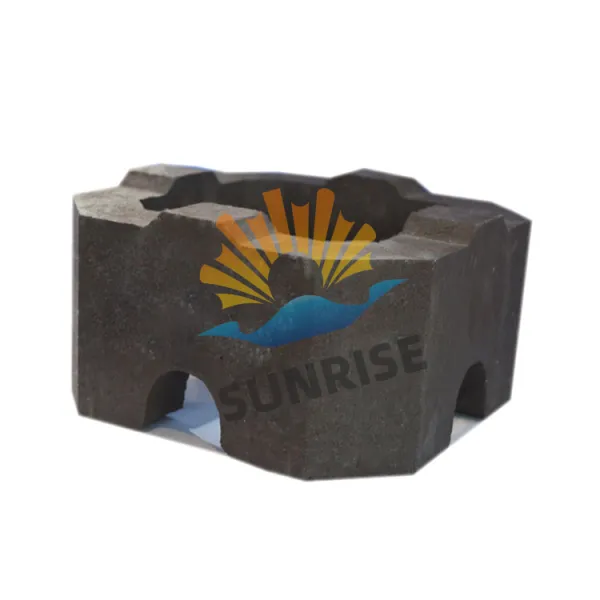
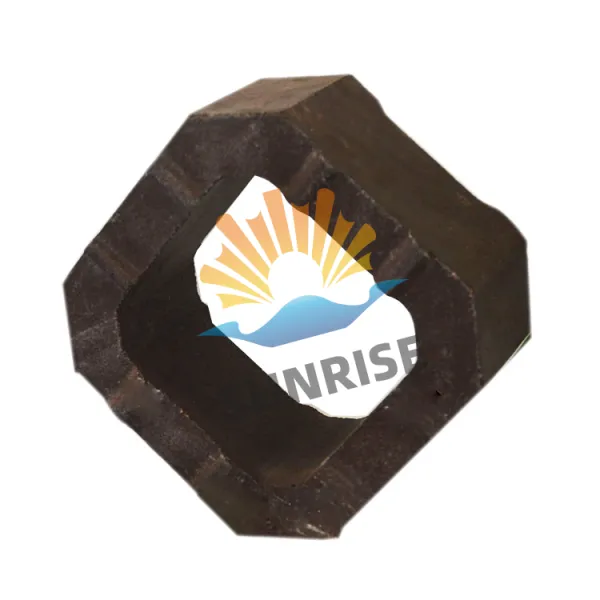
Magnesia-alumina spinel bricks are engineered for excellence under these harsh conditions, delivering:
| Property | Performance | Impact on Equipment |
|---|---|---|
| High-Temperature Thermal Shock Resistance | Withstands rapid temperature changes up to 1750°C with minimal cracking | Reduces unscheduled downtime and repairs |
| Corrosion & Abrasion Resistance | Enhanced resistance against slag infiltration and chemical attacks | Prolongs lining lifespan by over 30% compared to standard magnesia bricks |
| Volume Stability | Superior dimensional stability maintains structural integrity | Improves equipment safety and efficiency |
To better understand the difference, here’s a side-by-side comparison with commonly used magnesia and alumina bricks based on recent lab tests and field reports:
| Feature | Magnesia Brick | Alumina Brick | Magnesia-Alumina Spinel Brick |
|---|---|---|---|
| Max Service Temperature (°C) | 1600 | 1700 | 1750+ |
| Thermal Shock Resistance (cycles) | 120 | 80 | 200+ |
| Corrosion Resistance (weight loss %) | 5.5% | 4.2% | 2.1% |
| Service Life Improvement | Baseline | +15% | +30%+ |
"Switching to magnesia-alumina spinel bricks reduced our kiln maintenance frequency by 40% and prevented unexpected shutdowns for over a year," reports a senior engineer at a major steel plant.
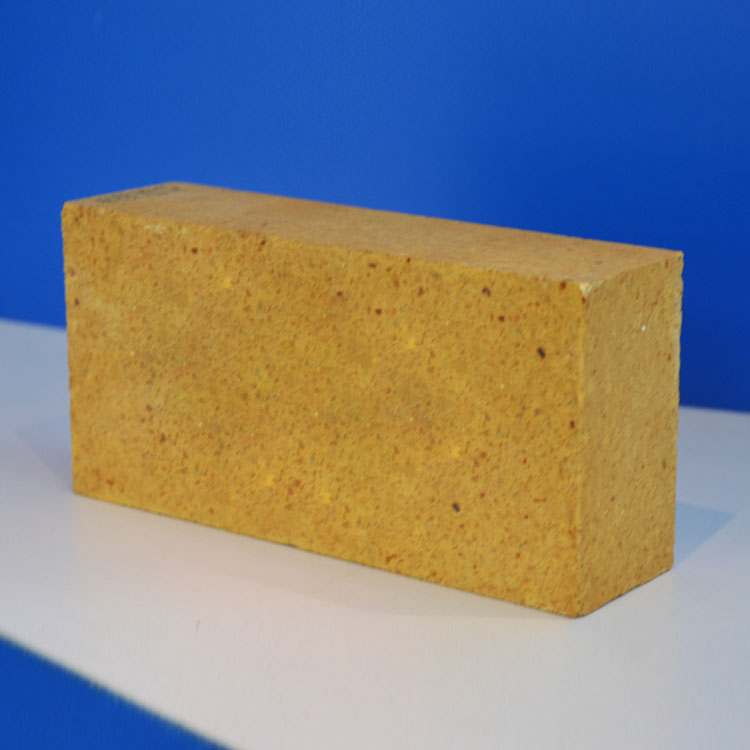
In a leading steel manufacturing facility, replacing conventional magnesia bricks with magnesia-alumina spinel bricks in the reheating furnace lining resulted in:
Similarly, a cement plant utilizing these bricks in their rotary kiln saw a 25% drop in maintenance downtime and significant savings in repair budgets.
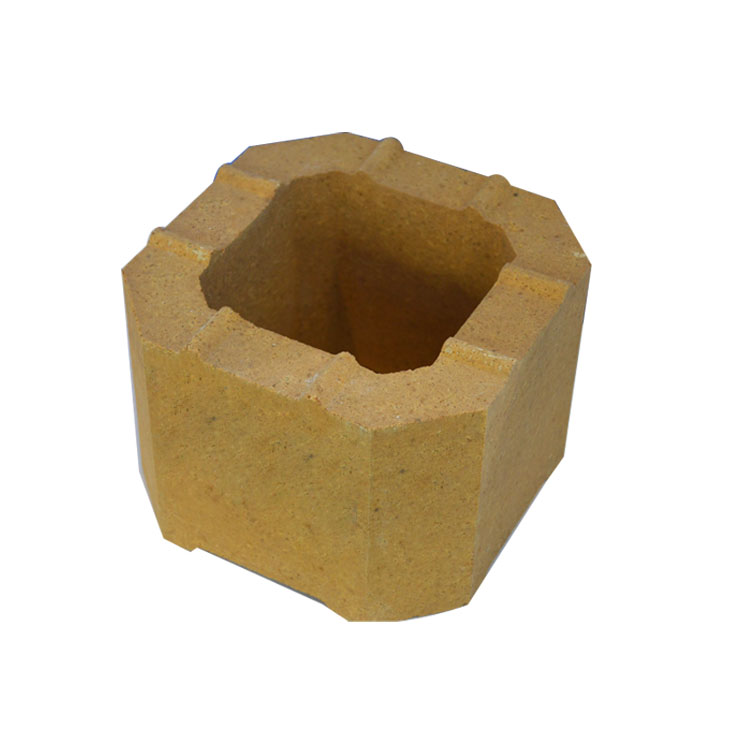
Incorporating magnesia-alumina spinel bricks is more than just swapping materials—it is a strategic move toward system-wide operational excellence. Improved refractory performance directly contributes to:
If you’re aiming to make your high-temperature equipment more durable and worry-free, exploring the upgrade to magnesia-alumina spinel bricks is a compelling next step.