In the competitive sphere of alkali-free glass fiber production, the kiln’s durability and stable operation are critical for maintaining product quality and reducing downtime. Selecting the most reliable high-temperature resistant components is paramount, and dense zircon blocks have emerged as a superior solution. This article delves into the crystalline structure of dense zircon blocks and their significant benefits in reinforcing alkali-free glass fiber kilns, particularly in extreme thermal environments such as melting pools.
Alkali-free glass fiber manufacturing demands kilns capable of withstanding harsh thermal and mechanical stresses. Common issues with conventional refractory materials include rapid degradation under high temperatures, frequent maintenance, and compromised kiln integrity. These shortcomings increase operational costs and risk production delays. High-performance refractory parts, especially for critical zones exposed to direct heat and chemical attack, are essential to overcome these challenges.
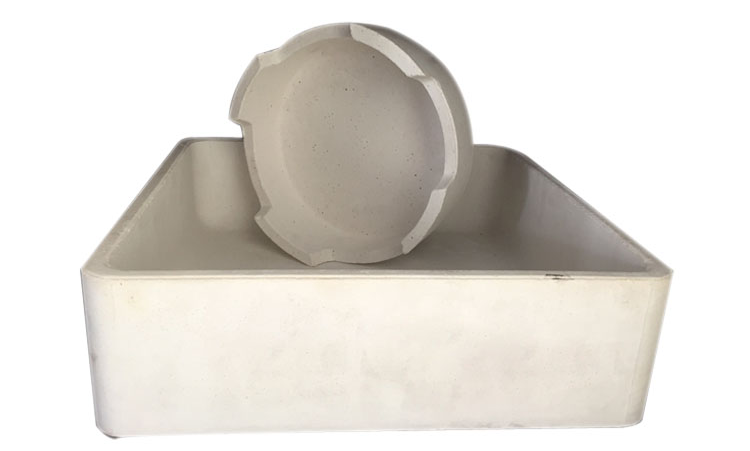
Dense zircon blocks, primarily composed of zirconium silicate (ZrSiO4), exhibit a tightly packed crystalline lattice that fundamentally enhances their thermal and mechanical properties. The high packing density results in a low porosity (< 2%), directly contributing to a bulk density typically above 4.6 g/cm3. This dense microstructure dramatically improves resistance to thermal shock and chemical corrosion compared to traditional alumina-silica refractories.
| Property | Dense Zircon Block | Conventional Alumina-Silica refractory |
|---|---|---|
| Bulk Density (g/cm3) | 4.6 - 4.8 | 3.0 - 3.5 |
| Maximum Service Temperature (°C) | > 1850 | 1500 - 1600 |
| Modulus of Rupture (MPa) | 28 - 35 | 15 - 22 |
| Abrasion Resistance (mm3 loss) | 120 - 180 | 300 - 400 |
These data underscore dense zircon blocks’ superior ability to endure extreme environments, resulting in longer service life and reduced frequent replacements.
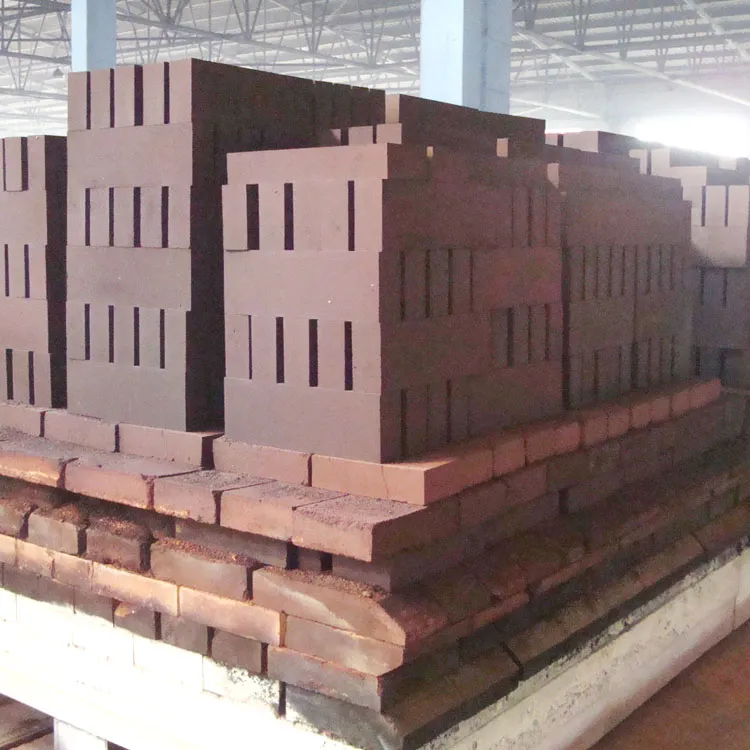
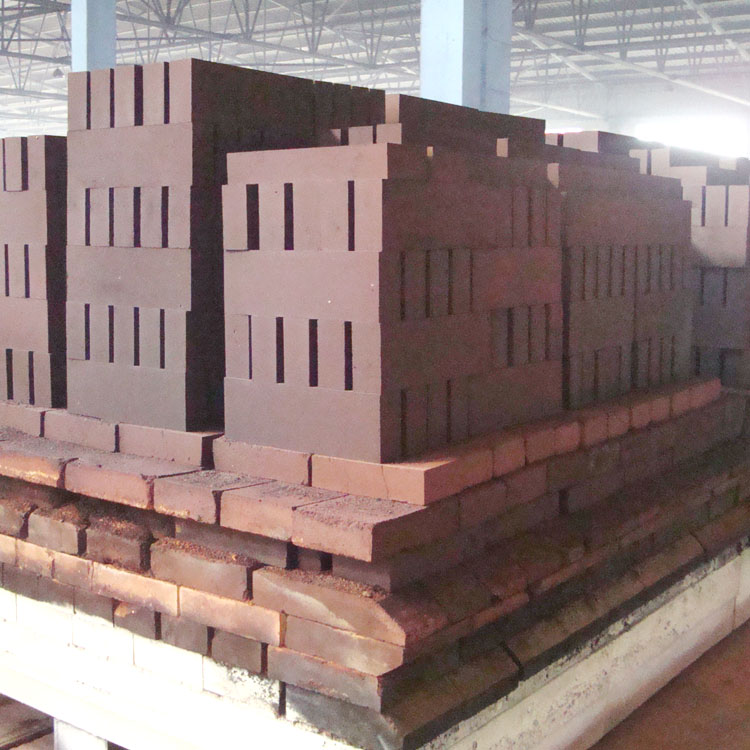
In actual production settings, dense zircon blocks are strategically positioned in high thermal stress zones such as melting pool embedments, insulation layers adjacent to the melt, and kiln linings exposed to mechanical abrasion. Case studies from industry leaders reveal a notable improvement in kiln stability:
Customer feedback consistently highlights the cost-efficiency gained through enhanced durability, noting significant reductions in downtime and refractory replacement expenses. These benefits translate to improved operational continuity and increased ROI.
Incorporating dense zircon blocks elevates the kiln’s overall performance metrics — from thermal efficiency and mechanical stability to abrasion resistance. The consequential customer advantages include:
This combination of benefits positions dense zircon blocks as a strategic asset for manufacturers striving to lead in alkali-free glass fiber production.
The advanced crystalline density and material science behind dense zircon blocks offer a compelling solution to the persistent issues faced by kiln operators. Beyond raw performance, these blocks contribute measurably to the bottom line by improving kiln reliability and lowering life-cycle costs.
Discover how integrating dense zircon blocks can transform your alkali-free glass fiber kiln operations and drive measurable business impact.
Explore Zircon Block Solutions for Enhanced Kiln Performance