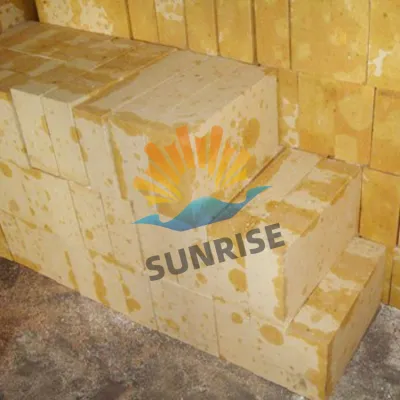
For international glass manufacturers, the choice of refractory materials—especially silicon bricks used in high-temperature zones of glass furnaces—is critical to process stability, product purity, and long-term operational efficiency.
According to a 2023 study by the International Refractories Association (IRA), over 70% of unexpected furnace downtime in flat glass production is linked to substandard refractory lining performance. This makes selecting the right silicon brick not just a procurement decision—it’s a strategic investment in quality control and cost savings.
High-purity silicon bricks with >96% SiO₂ content offer superior thermal shock resistance and minimal expansion under prolonged exposure to temperatures above 1500°C. In contrast, standard-grade bricks often contain impurities like Al₂O₃ and Fe₂O₃ that lead to unwanted reactions with molten glass.
Real-world example: A German flat glass producer reported a 40% reduction in bubble defects after switching from 93% SiO₂ bricks to 97%+ purity ones. Their average kiln run time increased from 18 months to 26 months without major repairs.
| Performance Metric | Standard Silicon Brick | Premium High-Purity Brick |
|---|---|---|
| Thermal Expansion at 1500°C | 0.5–1.2% | ≤0.3% |
| Glass Contamination Risk | Moderate | Very Low |
| Service Life (Avg.) | 12–18 months | 24–30 months |
These improvements translate directly into reduced maintenance costs—on average, 25% lower per year—and fewer quality rejects, which can be worth thousands in lost revenue for high-volume producers.
When sourcing internationally, buyers prioritize three factors:
Let your furnace run more stably, your glass remain purer, and your operations become more efficient—not just today, but for years ahead.
Get a free technical consultation + sample kit tailored to your glass type and operating conditions.
Download Our Silicon Brick Selection Guide