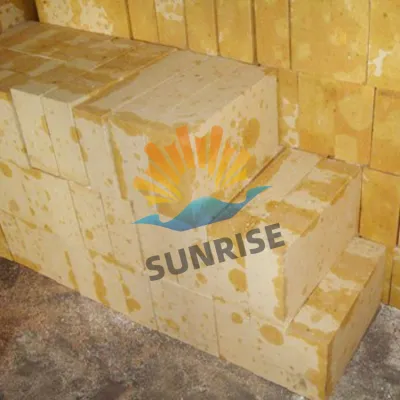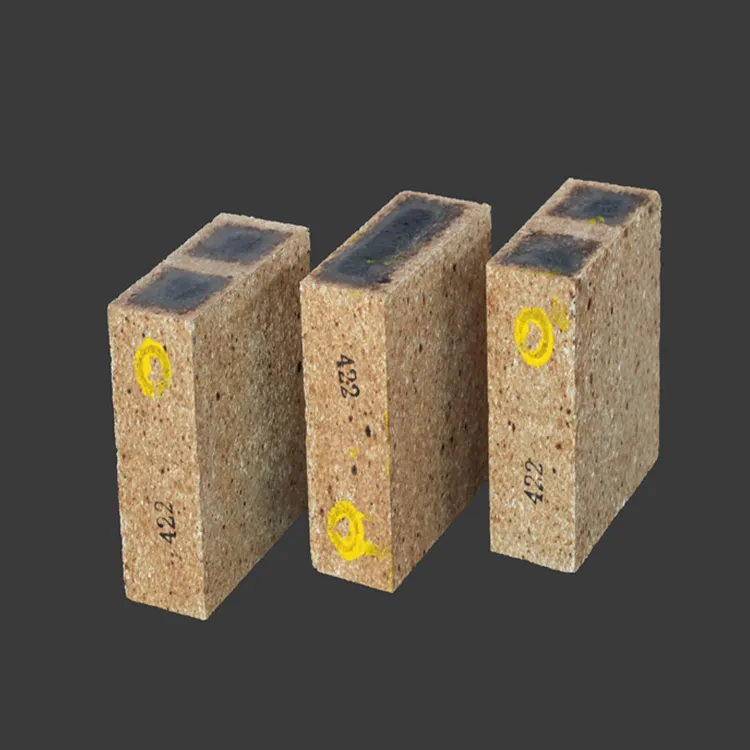
In the high-stakes world of glass manufacturing, furnace longevity and product purity are not just operational concerns—they’re competitive advantages. For decades, traditional refractory materials like fireclay or magnesia-carbon bricks have been used in glass melting tanks. But as energy costs rise and quality demands tighten, more forward-thinking manufacturers are shifting to high-SiO₂ silica brick, a material that delivers measurable performance gains.
Silica brick with over 97% SiO₂ content—sourced from natural quartz sand—isn’t just another option; it’s a performance upgrade. Unlike conventional bricks that soften above 1,400°C, premium silica brick maintains structural integrity up to 1,650°C. According to a 2023 report by the International Refractories Association, this translates into an average 20–30% reduction in thermal expansion stress across furnace linings.
| Property | Traditional Refractory | High-Purity Silica Brick |
|---|---|---|
| Max Operating Temp (°C) | ~1,400 | 1,650+ |
| Thermal Shock Resistance | Moderate | Excellent |
| Glass Contamination Risk | Higher (Na₂O, Fe₂O₃ leaching) | Negligible |
One major concern for glassmakers is contamination—a single batch of off-spec glass can cost thousands in scrap. Studies show that silica brick reduces alkali migration by up to 75%, ensuring clearer, more consistent melt quality. A case study from a European flat glass producer revealed a 15% decrease in reject rates after switching to high-purity silica lining in their regenerative burners.
It’s not just about numbers—it’s about outcomes. In a recent audit at a Middle Eastern container glass plant, engineers noted that replacing old alumina-silicate bricks with modern silica brick extended the furnace campaign life from 18 months to over 28 months. That’s nearly 56% longer uptime without compromising safety margins.
And let’s talk efficiency. Because silica brick has lower thermal conductivity than many alternatives, less heat escapes through the walls—meaning better fuel utilization. On average, plants see a 5–8% drop in gas consumption when using optimized silica brick systems, according to data from the European Ceramic Industry Council.
Choosing the right refractory isn’t just about compliance—it’s about future-proofing your production. Whether you're managing a new furnace build or optimizing an existing one, high-purity silica brick offers a clear path to higher yield, fewer breakdowns, and cleaner output.
Ready to optimize your furnace performance? Let us help you evaluate your current setup—and identify where silica brick could deliver immediate ROI.
Get Your Customized Refractory Assessment Now