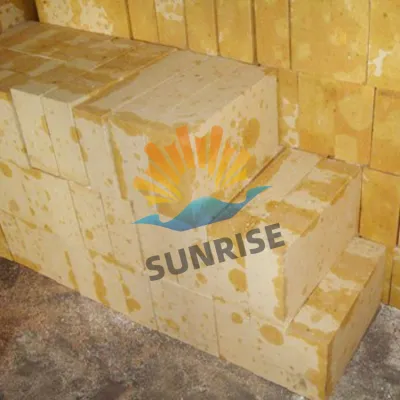
In the high-temperature environment of glass furnaces, selecting the right refractory material significantly impacts operational efficiency, product quality, and overall equipment longevity. This article delves into why premium silica bricks, derived from natural silica sand with over 96% SiO2 content, outperform traditional refractory materials—especially regarding furnace weight reduction and chemical corrosion resistance.
Silica bricks capitalize on the extraordinary properties of natural silica sand. The ultra-high SiO2 purity (exceeding 96%) combined with advanced firing techniques produces bricks with outstanding thermal stability and exceptional resistance to volume change at elevated temperatures.
Unlike conventional fireclay or alumina-based refractories, silica bricks demonstrate superior inertness, making them virtually non-polluting to molten glass. This ensures glass quality remains uncompromised, a critical consideration for high-end glass manufacturers focusing on clarity and structural integrity.
Traditional refractory bricks generally weigh between 2.5 to 3.2 g/cm³, whereas premium silica bricks offer a density range of around 2.3 g/cm³. This lighter profile helps reduce the overall mass of the furnace lining by up to 10-15%, significantly decreasing thermal shock stress on structural components.
Lower self-weight translates to less mechanical load on the furnace frame, reducing maintenance downtime and prolonging operational lifespan. This weight advantage also enables easier installation and cost-efficient furnace modifications.
Glass furnaces operate in extremely aggressive chemical environments due to the presence of molten glass and fluxes. Silica bricks exhibit superior corrosion resistance against alkaline and acidic slags, thanks to their high-purity quartz structure.
Comparative studies reveal that silica bricks maintain structural integrity after exposure to corrosive agents for over 6000 hours at temperatures exceeding 1600°C, significantly outperforming fireclay bricks which typically degrade within 3000-4000 hours.
| Property | Silica Brick (≥96% SiO₂) | Fireclay Brick | Alumina Brick |
|---|---|---|---|
| Density (g/cm³) | 2.3 | 2.8 | 3.1 |
| Max Service Temperature (°C) | 1700 | 1550 | 1750 |
| Volume Stability at High Temp | Excellent (<0.1% shrinkage) | Moderate (up to 0.5%) | Good (around 0.2%) |
| Chemical Corrosion Resistance | Superior (6000+ hrs) | Average (3000-4000 hrs) | High (5000 hrs) |
| Glass Contamination Risk | Negligible | Moderate | Low |
| Installation Ease | High (lighter weight) | Standard | Standard |
One European glassworks company integrated premium silica bricks in the superstructure lining of their 160-ton glass furnace. Over a 12-month operational period, the silica bricks facilitated a 12% reduction in refractory consumption and extended campaign life by roughly 25%.
Moreover, furnace maintenance intervals increased from every 9 months to 15 months, resulting in operational cost savings exceeding 200,000 USD annually. Crucially, the improved chemical corrosion resistance dramatically reduced glass defects by nearly 18%, directly contributing to higher market-grade output.
For procurement specialists and decision-makers, selecting silica bricks aligns with strategic goals of maximizing furnace uptime, reducing total cost of ownership, and enhancing product quality:
Therefore, integrating premium silica bricks into your glass furnace lining strategy offers both immediate and long-term operational benefits carefully aligned with modern industry demands.
Are you currently facing challenges with refractory materials in your glass furnace operations? Share your experience or questions in the comments below. Your insights help shape smarter solutions across the industry.