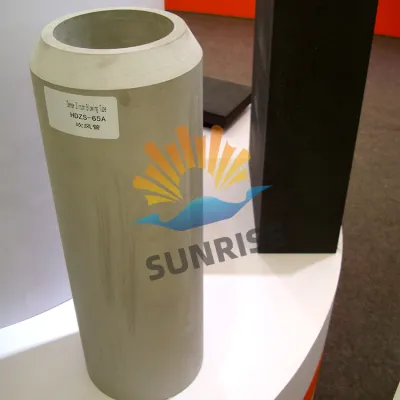
Alkali-free glass furnaces are the backbone of modern flat glass production—especially in high-performance applications like LCD panels, automotive glass, and solar modules. Yet, many manufacturers face recurring issues such as accelerated refractory wear, uneven temperature distribution, and unexpected downtime due to structural degradation.
Industry data shows that up to 40% of furnace maintenance costs stem from premature brick failure—not just material quality, but poor resistance to alkali vapor and thermal stress. In a typical 5-year operational cycle, standard bricks may degrade by 25–30%, leading to costly shutdowns and inconsistent product quality.
| Refractory Type | Avg. Lifespan (Years) | Glass Erosion Rate (%/Year) | Key Weakness |
|---|---|---|---|
| Standard Fireclay | 2.5–3.0 | ~12% | Poor alkali resistance |
| High-Density Zirconia Brick | 4.5–5.5+ | ~3% | Minimal creep at 1600°C |
Our high-density zirconia bricks—engineered for extreme conditions—deliver measurable improvements across three critical parameters:
A Tier-1 flat glass producer in Germany replaced their old fireclay bricks with our high-density zirconia solution in the furnace’s melting zone. Within six months, they reported:
“This wasn’t just about extending lifespan—it was about stabilizing our entire production flow,” said Maria Klein, Head of Operations at the plant. “We saw immediate ROI within 10 months.”
If your furnace is struggling with frequent repairs, inconsistent output, or rising raw material waste, it’s time to rethink your refractory strategy. High-density zirconia bricks aren’t just an upgrade—they’re a transformational investment in reliability, efficiency, and long-term profitability.
Ready to reduce downtime and boost productivity? Let’s discuss how our tailored solutions can optimize your specific furnace design.
Get Your Free Technical Consultation Today