In the world of low - alkali borosilicate glass production, the performance of glass kilns is of utmost importance. Dense zirconium blocks have emerged as a crucial component in ensuring the efficient and stable operation of these kilns. This article will comprehensively analyze the application value of dense zirconium blocks in key parts of low - alkali borosilicate glass kilns, from their chemical stability to high - temperature creep control.
Dense zirconium blocks are characterized by their dense crystal structure, which endows them with excellent high - temperature resistance, wear resistance, thermal shock stability, and extremely high chemical stability. For example, they can withstand temperatures up to 1600°C without significant deformation, and their wear rate is only about 0.05% under high - speed friction conditions, which is far lower than that of ordinary refractory materials.
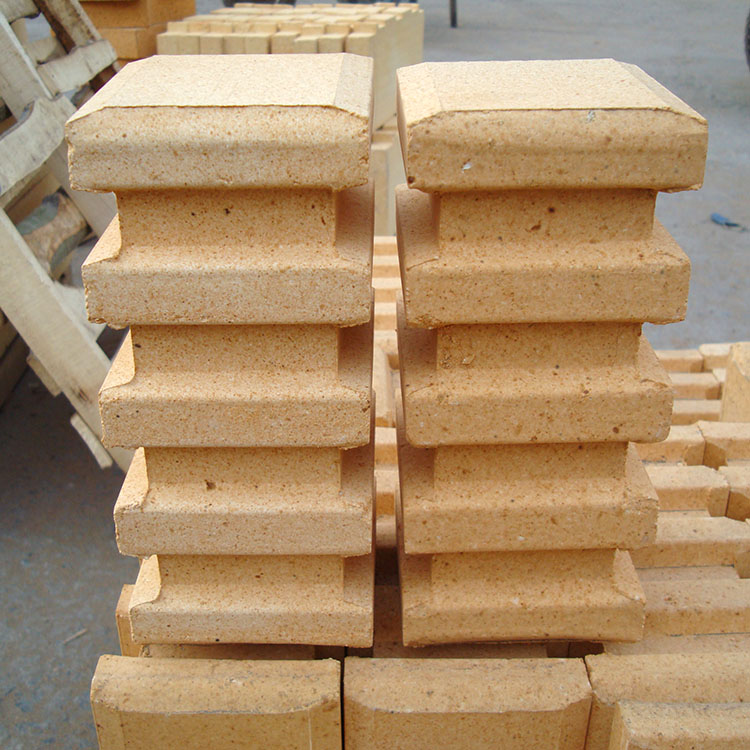
In the harsh environment of low - alkali borosilicate glass kilns, high - temperature and chemical corrosion are two major challenges. Dense zirconium blocks have outstanding performance in this regard. Their high chemical stability enables them to resist the erosion of various chemical substances in the glass melting process. In addition, they can maintain their mechanical strength at high temperatures, effectively preventing high - temperature creep. Studies have shown that in a high - temperature environment of 1500°C, the creep rate of dense zirconium blocks is less than 0.1% per year, which is crucial for the long - term stable operation of kilns.
The key parts of glass kilns, such as kiln channel blocks and casing blocks, often face stability challenges. For example, high - temperature creep can lead to deformation of these parts, affecting the flow of molten glass and ultimately reducing product quality. Dense zirconium blocks can effectively solve these problems. By controlling high - temperature creep and reheating shrinkage, they ensure the stable operation of these key parts, thereby improving production efficiency and product quality.
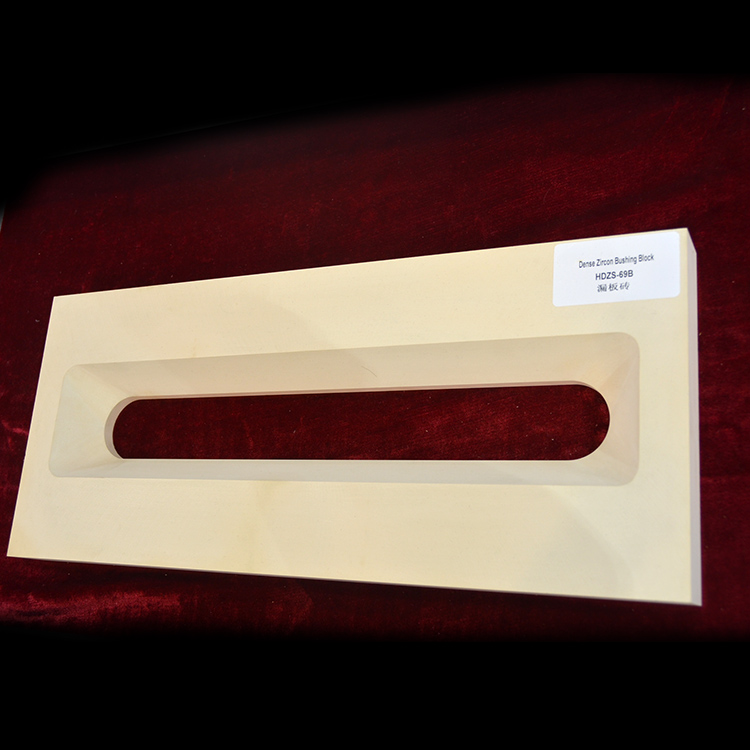
Let's take a well - known glass manufacturing company as an example. Before using dense zirconium blocks, the company's glass kilns often had problems such as high - temperature deformation and chemical corrosion, resulting in frequent maintenance and low production efficiency. After replacing the key parts with dense zirconium blocks, the service life of the kiln was extended from 2 years to 5 years, and the production efficiency increased by about 20%. The quality of the glass products also improved significantly, with the defect rate reduced from 5% to 1%.
The excellent performance of dense zirconium blocks in preventing high - temperature creep and maintaining mechanical strength is based on its unique crystal structure and chemical composition. The strong chemical bonds in the crystal structure can effectively resist the movement of atoms at high temperatures, thereby preventing creep. At the same time, the high - density structure provides a solid foundation for maintaining mechanical strength.
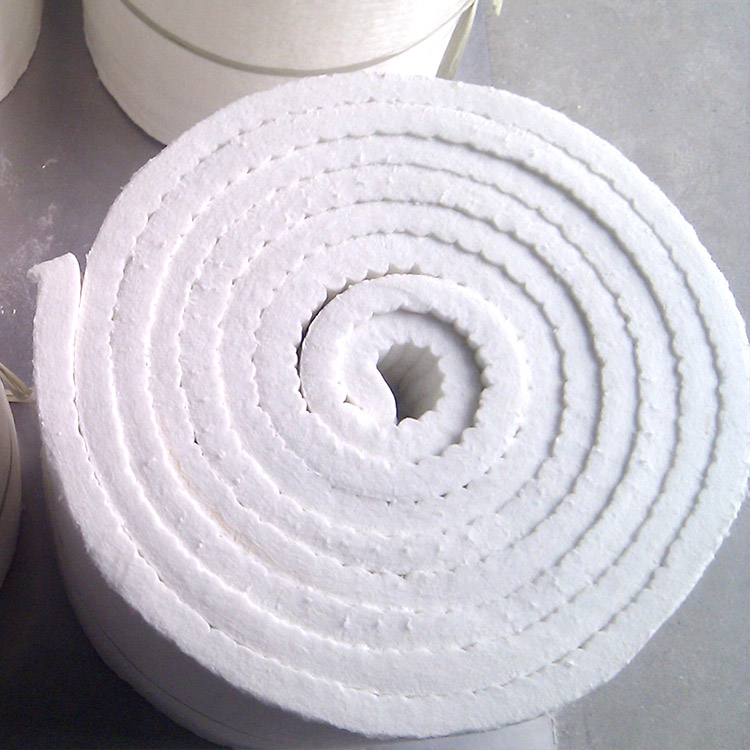
In conclusion, dense zirconium blocks play an irreplaceable role in low - alkali borosilicate glass production. Their excellent performance can significantly improve the stability of kiln operation and production efficiency, and help you produce high - quality glass products. If you are looking for a reliable solution to improve your glass production process, don't miss the opportunity to use dense zirconium blocks. Click here to learn more about our dense zirconium blocks and take the first step towards a more efficient production process!