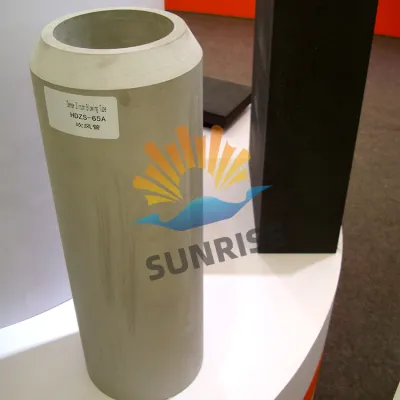
In the realm of non-alkali glass furnace manufacturing, the challenges of high temperatures and corrosion are ever-present. These factors not only affect the service life of the furnace but also have a significant impact on the quality of glass production. High-density zircon bricks have emerged as a revolutionary solution to address these challenges, offering unparalleled performance and reliability.
Non-alkali glass furnaces play a crucial role in the production of high-quality glass products. They are designed to melt and refine glass materials at extremely high temperatures, often exceeding 1500°C. However, the harsh operating conditions, including high temperatures and the presence of alkaline glass, pose significant challenges to the structural integrity and durability of the furnace lining.
High-density zircon bricks are engineered with advanced technology to withstand the extreme conditions in non-alkali glass furnaces. Their unique structure and composition provide excellent resistance to alkaline glass erosion, high-temperature creep, and high-temperature bending strength.
One of the key features of high-density zircon bricks is their exceptional resistance to alkaline glass erosion. In a comparative test, it was found that high-density zircon bricks showed only 10% erosion after 100 hours of exposure to alkaline glass at 1500°C, while traditional bricks suffered up to 30% erosion under the same conditions. This superior resistance significantly extends the service life of the furnace lining and reduces maintenance costs.
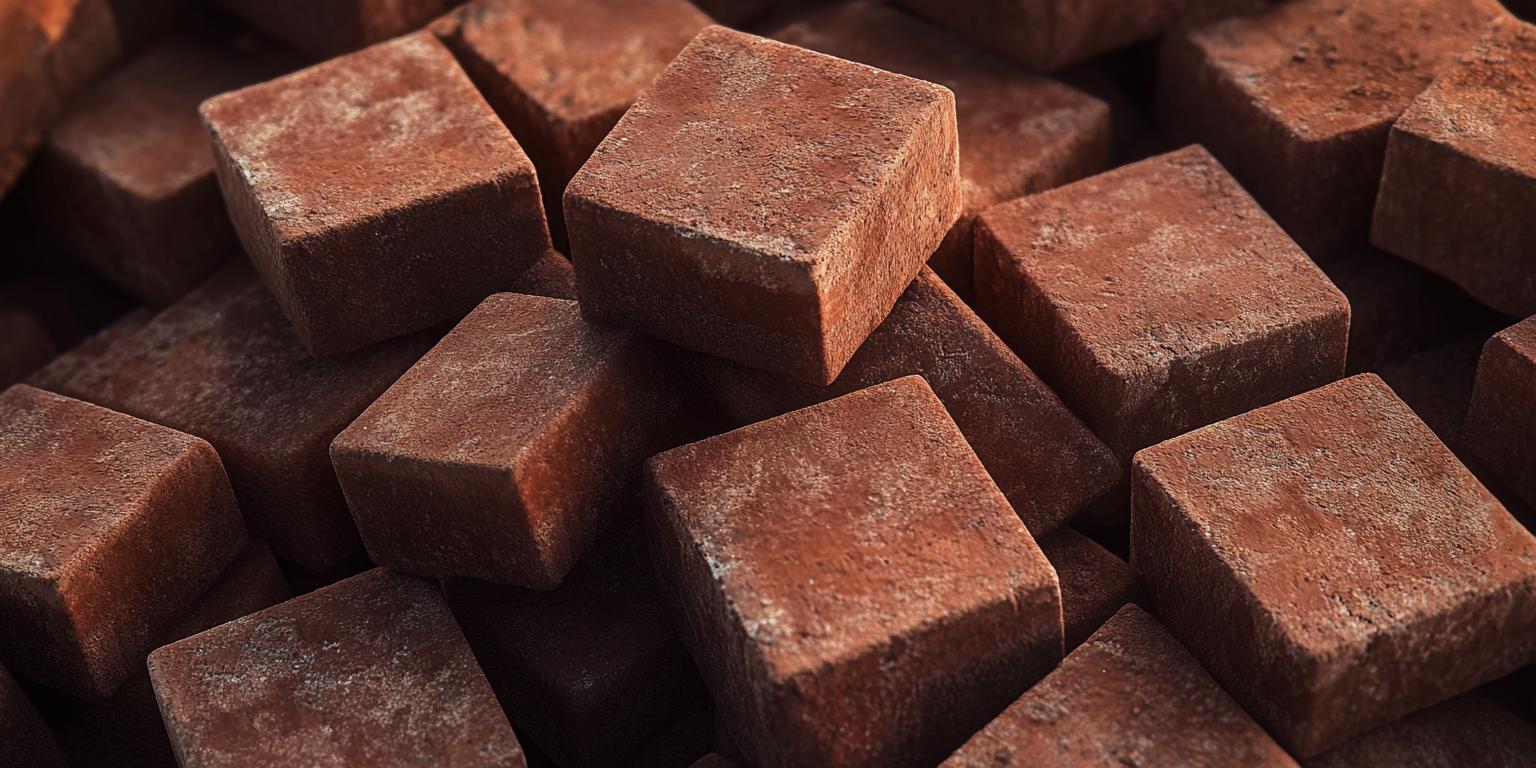
High-temperature creep is a major concern in glass furnace operation. High-density zircon bricks exhibit excellent creep resistance, with a creep rate of only 0.5% after 500 hours at 1400°C, compared to 1.5% for ordinary bricks. This low creep rate ensures the structural stability of the furnace lining over an extended period, preventing deformation and damage.
The high-temperature bending strength of high-density zircon bricks is another critical factor in their performance. At 1450°C, high-density zircon bricks can withstand a bending stress of up to 30 MPa, while conventional bricks can only bear 15 MPa. This high strength allows the bricks to maintain their shape and integrity under heavy loads, ensuring the smooth operation of the furnace.
High-density zircon bricks are widely used in various critical parts of non-alkali glass furnaces, including the bottom of the melting pool, the forehearth, the channel blocks, and the wall preparation bricks. Their application in these areas has significantly improved production efficiency and product quality.
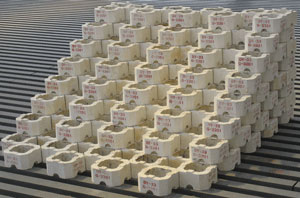
For example, in a large-scale non-alkali glass production plant, the use of high-density zircon bricks in the melting pool bottom extended the furnace's service life from 3 years to 5 years. Additionally, the quality of the glass products improved, with a reduction in defects by 20%.
To further illustrate the effectiveness of high-density zircon bricks, let's look at some real-world case studies. In a European glass manufacturing company, after replacing the traditional bricks with high-density zircon bricks in the forehearth, the company experienced a 15% increase in production efficiency and a 10% improvement in glass quality. The reduced downtime for maintenance also led to significant cost savings.
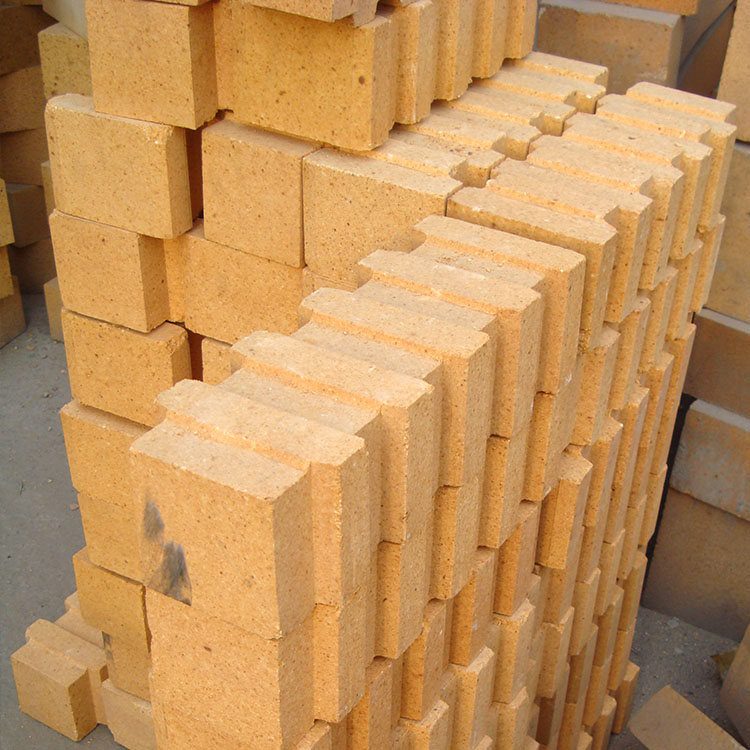
In conclusion, high-density zircon bricks are an indispensable solution for non-alkali glass furnaces. Their outstanding performance in terms of alkaline glass erosion resistance, high-temperature creep resistance, and high-temperature bending strength makes them the ideal choice for enhancing the performance and longevity of the furnace. By using high-density zircon bricks, glass manufacturers can achieve significant improvements in production efficiency, product quality, and cost savings.
If you are looking to upgrade your non-alkali glass furnace and improve your glass production process, don't miss out on the opportunity to learn more about our high-density zircon bricks. Click here to explore our products and start a partnership with us!