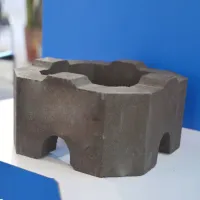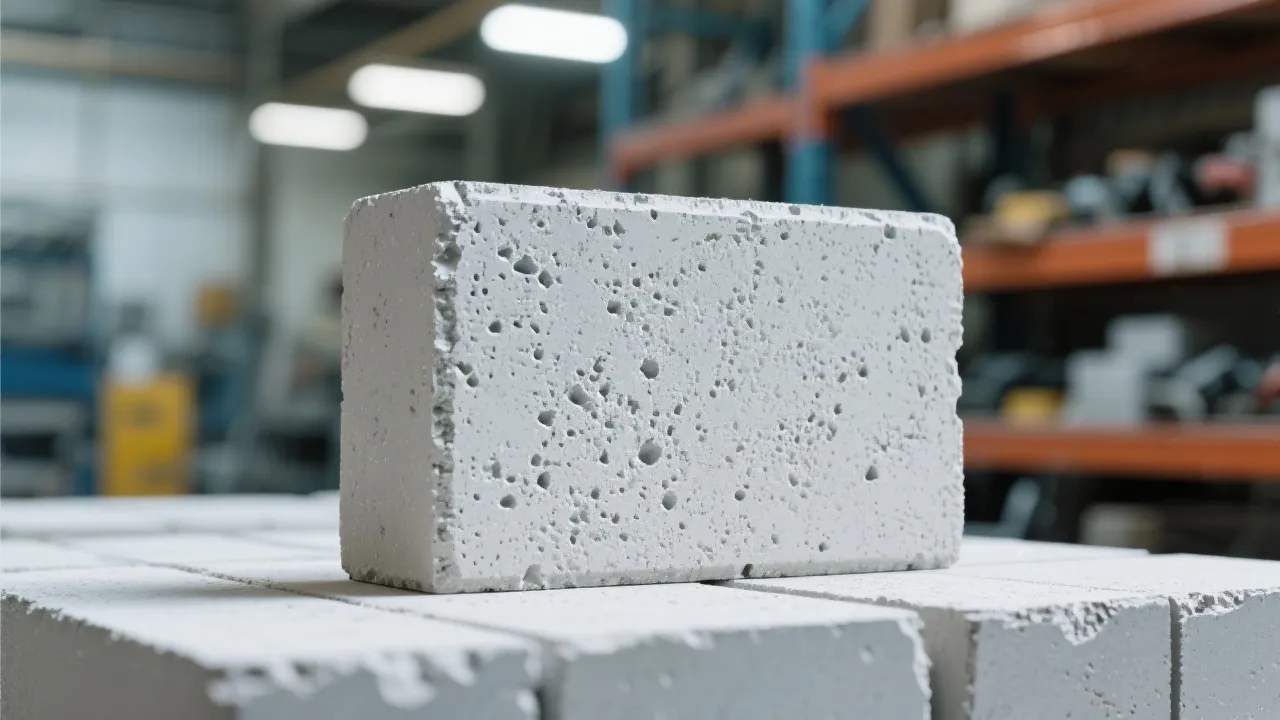
The coke industry has witnessed significant upgrades in recent years. As the demand for higher - quality coke grows, traditional refractory materials are struggling to meet the stringent requirements of high density, high thermal conductivity, and high - temperature strength. These new challenges have pushed the industry to seek more advanced refractory solutions.
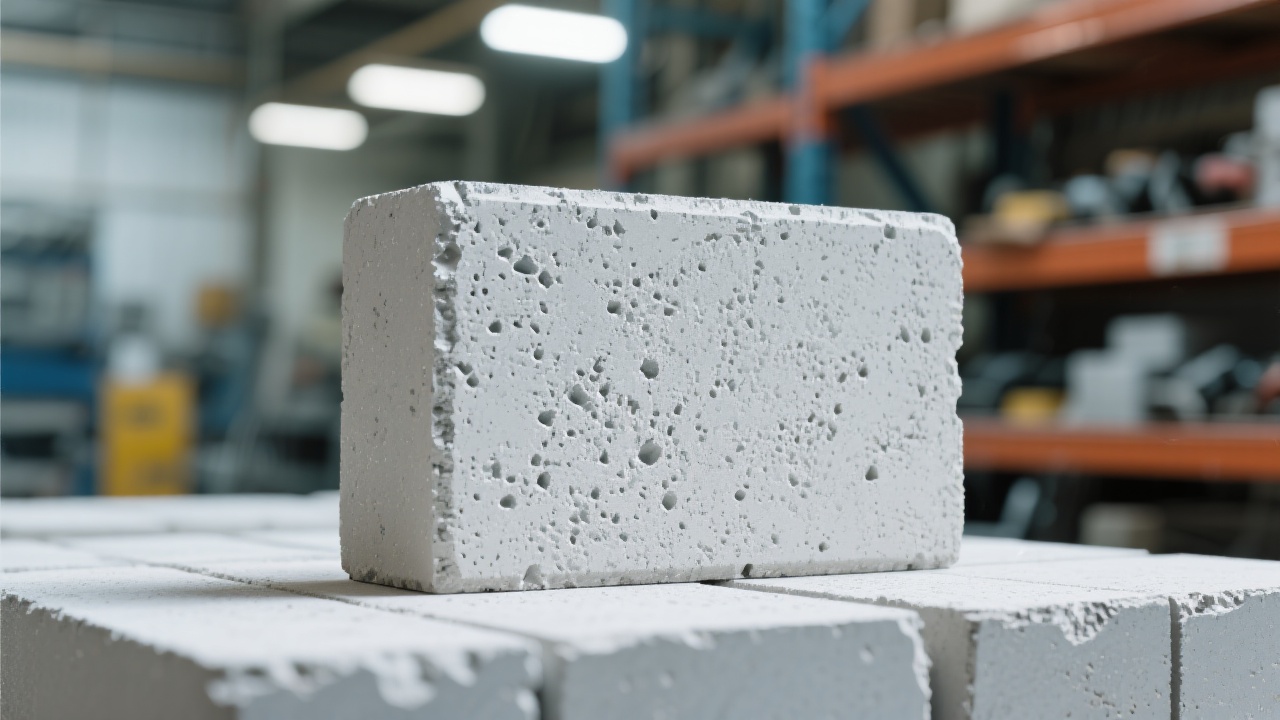
In response to the industry's needs, high - density, low - porosity silica bricks have been developed. These bricks are characterized by a porosity of less than 16% and a density greater than 2.38 g/cm³. The development of these bricks was a result of extensive research to overcome the limitations of traditional refractory materials.
One of the key advantages of high - density, low - porosity silica bricks is their excellent thermal conductivity. With a lower porosity, heat transfer within the bricks is more efficient. In a typical coke oven, traditional refractory materials may have a thermal conductivity of around 1.2 - 1.5 W/(m·K), while high - density silica bricks can achieve a thermal conductivity of up to 2.0 - 2.5 W/(m·K). This increased thermal conductivity allows for faster heat transfer during the coking process, which in turn shortens the coking time.
Coke ovens operate at extremely high temperatures, often exceeding 1000°C. High - density, low - porosity silica bricks can maintain their structural integrity at these high temperatures. Their high - temperature strength is significantly better than that of traditional refractory materials. For example, at 1400°C, traditional bricks may have a compressive strength of around 20 - 30 MPa, while high - density silica bricks can reach a compressive strength of 50 - 60 MPa. This high - temperature strength ensures that the bricks can withstand the mechanical stress and thermal shock in the coke oven.
The low porosity of these bricks also contributes to their structural stability. With fewer pores, there is less room for the penetration of corrosive gases and molten substances. This reduces the risk of chemical erosion and structural damage. In long - term operation, the structural stability of high - density, low - porosity silica bricks helps to maintain the shape and integrity of the coke oven lining.
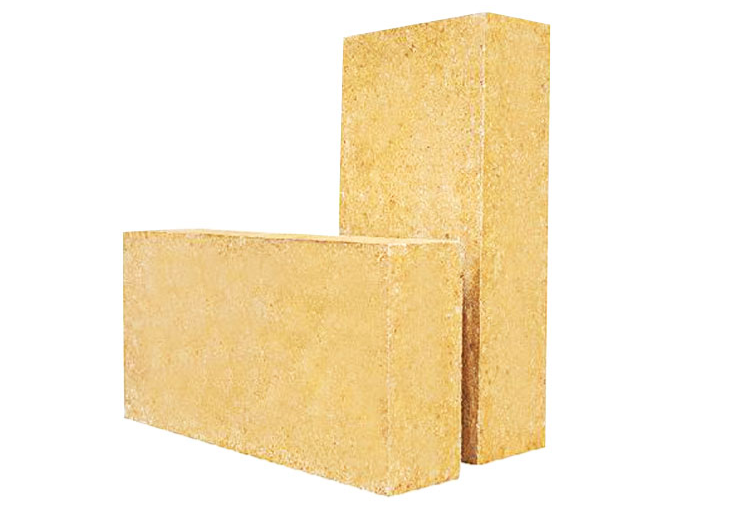
In practical applications, high - density, low - porosity silica bricks have shown remarkable results. For instance, in a certain coking plant, after replacing traditional refractory materials with high - density silica bricks, the coke oven's lifespan was extended by 30%. The shorter coking time due to improved thermal conductivity also increased the production efficiency of the coke oven. Moreover, the reduced porosity led to lower energy consumption, as less heat was lost through the pores of the bricks.
High - density, low - porosity silica bricks provide a clear technical path for the modernization of coke ovens. They offer a reliable solution to the problems faced by the coke industry, such as the need for longer - lasting refractory materials and more energy - efficient coking processes. For decision - makers in the coke industry, choosing high - density silica bricks means choosing long - term stable operation of the coke oven.
.jpg)
In conclusion, as the coke industry continues to evolve, high - density, low - porosity silica bricks are becoming an indispensable part of the modern coke oven. Their superior performance in thermal conductivity, high - temperature strength, and structural stability makes them the ideal choice for coke oven refractory materials. Upgrade your coke oven with our high - density, low - porosity silica bricks and experience the difference in performance and efficiency!


 482
|
482
|
 High-density silica bricks
Low-porosity silica bricks
Coke oven refractory materials
Siliceous refractory bricks
Coke oven lifespan extension
High-density silica bricks
Low-porosity silica bricks
Coke oven refractory materials
Siliceous refractory bricks
Coke oven lifespan extension
 166
|
Melting Silica Bricks
Environmental Benefits
Market Demand
Sustainable Materials
166
|
Melting Silica Bricks
Environmental Benefits
Market Demand
Sustainable Materials
 132
|
fused silica bricks
advantages of fused silica bricks for kiln walls
low-alkali borosilicate glass compatible fused silica bricks
132
|
fused silica bricks
advantages of fused silica bricks for kiln walls
low-alkali borosilicate glass compatible fused silica bricks
 54
|
glass furnace silicon brick
high temperature stable refractory
silicon brick for glass kiln
refractory material performance
glass manufacturing durability
54
|
glass furnace silicon brick
high temperature stable refractory
silicon brick for glass kiln
refractory material performance
glass manufacturing durability
 235
|
Zero-Expansion Silica Bricks
Kiln Refractory Repair
Thermal Shock Resistant Materials
Glass Furnace Repair
Coke Oven Repair
235
|
Zero-Expansion Silica Bricks
Kiln Refractory Repair
Thermal Shock Resistant Materials
Glass Furnace Repair
Coke Oven Repair


.jpg?x-oss-process=image/resize,m_fill,h_200,w_200/format,webp)