Coke ovens are crucial facilities in the coking industry, but long - term high - temperature operation often leads to various damages. Traditional coke oven hot - repair methods, such as the use of general refractory materials for patching, have numerous limitations. For example, they usually require a shutdown of the coke oven, which not only causes significant production losses but also has low repair efficiency. Statistics show that traditional hot - repair methods may result in a production halt of about 2 - 3 days, causing an average economic loss of $50,000 - $100,000 for a medium - sized coking enterprise.

The zero - expansion silica brick has an extremely low expansion rate, typically less than 0.5% in the temperature range of 1000 - 1500°C. In contrast, traditional refractory materials may have an expansion rate of 2 - 3% in the same temperature range. This low expansion rate ensures the structural stability of the coke oven during high - temperature operation, reducing the risk of cracking and deformation due to thermal stress.
With a SiO₂ content of over 96%, the zero - expansion silica brick has excellent high - temperature resistance. The high - purity SiO₂ can form a stable crystal structure at high temperatures, providing strong support for the brick's performance in high - temperature environments.
It can withstand sudden temperature changes without cracking. Experiments show that after being rapidly heated from room temperature to 1200°C and then cooled to room temperature for more than 50 cycles, the zero - expansion silica brick still maintains its integrity. While traditional materials may start to crack after only 10 - 20 such cycles.
The dense structure of the zero - expansion silica brick gives it excellent corrosion resistance. In the highly corrosive environment of a coke oven, it can effectively resist the erosion of acidic and alkaline substances, extending the service life of the repair area.
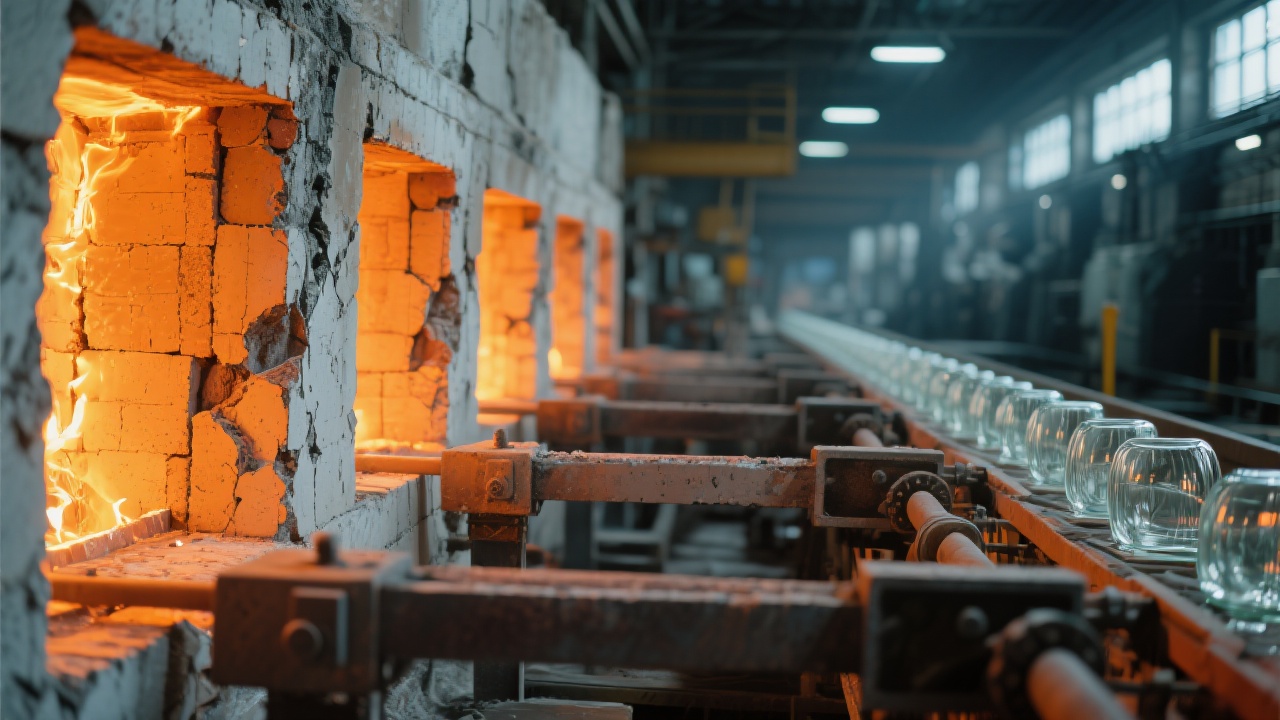
The production of zero - expansion silica bricks combines advanced material science and manufacturing processes. Special raw materials are carefully selected and undergo a series of treatment processes, including high - temperature calcination, precise grinding, and pressure molding. The unique crystal structure formed during these processes enables the brick to adapt to the high - temperature dynamic working conditions inside the coke oven. For instance, the specific crystal structure can adjust to the thermal stress generated during temperature changes, ensuring the stability of the brick in a constantly changing environment.
In a well - known coking plant, after using zero - expansion silica bricks for coke oven hot - repair, the annual maintenance frequency was reduced from 6 times to 2 times. The total annual production halt time was shortened from about 15 days to less than 5 days. This not only saved a large amount of maintenance costs but also increased the annual production output by approximately 10%. According to the feedback from the plant manager: "The zero - expansion silica bricks have truly changed our hot - repair model. We no longer need to worry about long - term shutdowns and high - cost maintenance."
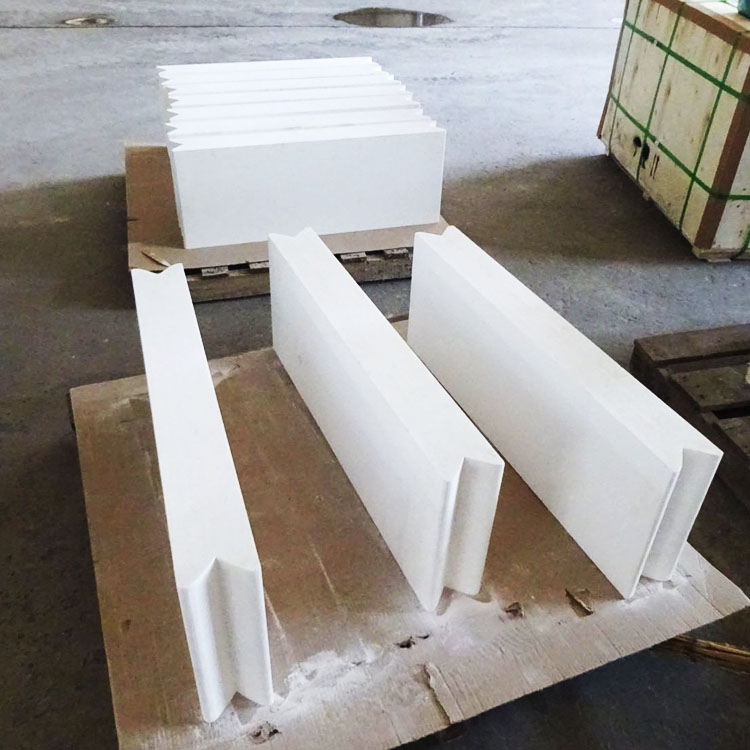
The zero - expansion silica brick represents a revolutionary solution in the coke oven hot - repair industry. It enables coking enterprises to achieve hot - repair without shutdown, which is a major breakthrough compared to traditional methods. By significantly improving repair efficiency, reducing maintenance costs, and enhancing hot - repair quality, it helps enterprises optimize their production processes and increase economic benefits.
Click here to learn more about zero - expansion silica bricks and how they can benefit your business!
 75
|
75
|
 Mullite bricks
high-temperature performance
ceramic materials
thermal stability
refractory bricks
Mullite bricks
high-temperature performance
ceramic materials
thermal stability
refractory bricks
 48
|
Zirconia brick performance optimization
Production efficiency improvement
High - temperature refractory solutions
Energy saving and consumption reduction in industrial kilns
Zirconia brick application cases
48
|
Zirconia brick performance optimization
Production efficiency improvement
High - temperature refractory solutions
Energy saving and consumption reduction in industrial kilns
Zirconia brick application cases
 343
|
High-density silica bricks
Low-porosity silica bricks
Coke oven refractories
Silica brick properties
Coke oven refractory upgrade
343
|
High-density silica bricks
Low-porosity silica bricks
Coke oven refractories
Silica brick properties
Coke oven refractory upgrade
.jpg?x-oss-process=image/resize,h_600,m_lfit/format,webp) 182
|
magnesia bricks for high-temperature kilns
performance of magnesia bricks in glass kilns
extend kiln lifespan with magnesia bricks
182
|
magnesia bricks for high-temperature kilns
performance of magnesia bricks in glass kilns
extend kiln lifespan with magnesia bricks
 412
|
magnesia-iron spinel brick
synthetic magnesia-alumina spinel brick
magnesia chrome brick comparison
cement kiln refractory lining
refractory durability analysis
412
|
magnesia-iron spinel brick
synthetic magnesia-alumina spinel brick
magnesia chrome brick comparison
cement kiln refractory lining
refractory durability analysis

.jpg?x-oss-process=image/resize,m_fill,h_200,w_200/format,webp)
.jpg?x-oss-process=image/resize,m_fill,h_200,w_200/format,webp)
.jpg?x-oss-process=image/resize,m_fill,h_200,w_200/format,webp)


.jpg?x-oss-process=image/resize,m_fill,h_200,w_200/format,webp)