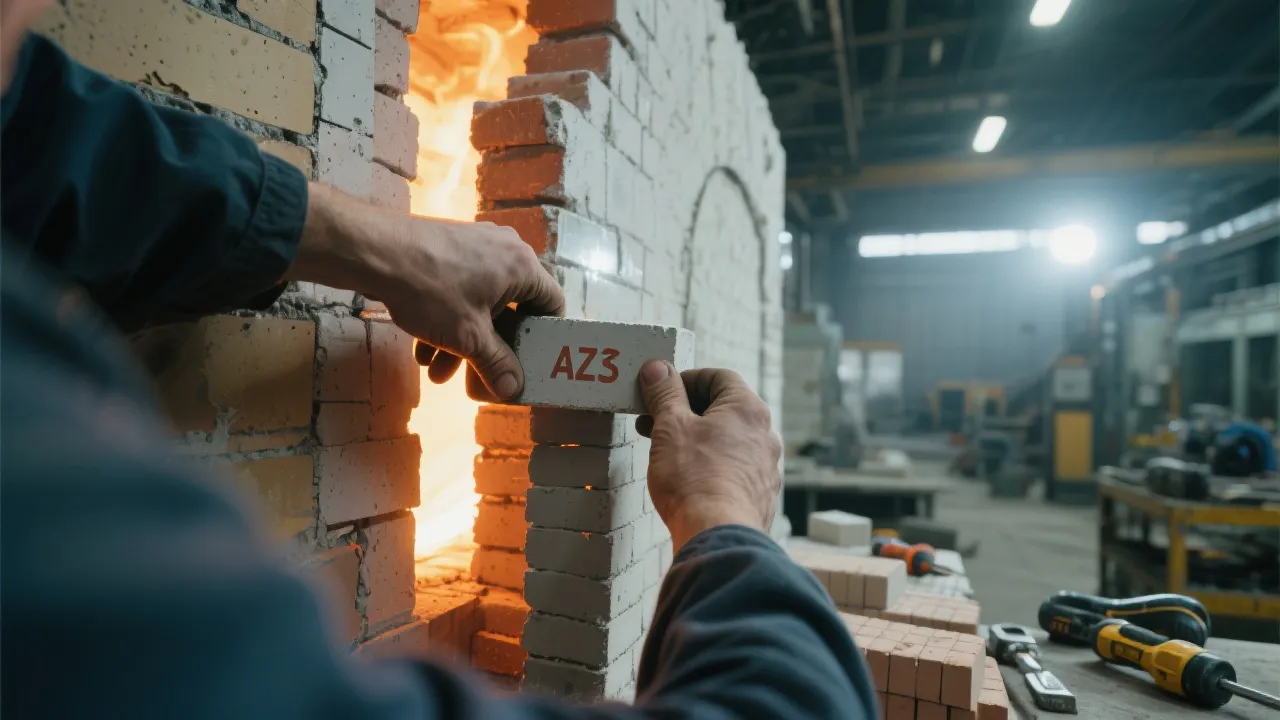
In the demanding world of glass manufacturing, furnace downtime translates directly to lost productivity and increased operational costs. Traditional hot repair methods for glass furnaces are often plagued by long maintenance periods and recurring failures due to thermal stresses. Herein lies the transformative advantage of zero-expansion silica bricks, engineered from high-purity fused quartz, delivering exceptional thermal shock resistance and nearly zero linear expansion. This breakthrough allows in-service repairs without pre-emptive expansion gaps, dramatically cutting furnace stoppage time and maintenance expenses.
Maintaining glass furnaces presents unique challenges: intense thermal cycling, corrosive environments, and structural stresses all compromise refractory longevity. Traditional refractory bricks require scheduled cooling and planned expansion joints to accommodate thermal dilation, leading to extended shutdowns—often ranging from 48 to 72 hours per repair cycle—and elevated labor and material costs.
Interactive prompt: Are you currently struggling with frequent furnace stoppages and high maintenance costs? If so, exploring advanced refractory solutions could be a game changer.
The zero-expansion silica brick derives its superior performance from its core component—the fused quartz (SiO2) with purity levels exceeding 99.5%. This material's intrinsically low thermal expansion coefficient (<0.5 × 10⁻⁶/°C) ensures dimensional stability under soaring temperatures up to 1600°C. Additionally, its dense, homogeneous microstructure minimizes crack initiation and propagation caused by thermal shock.
Compared to conventional alumina-silica bricks, which can exhibit expansion rates up to 8 × 10⁻⁶/°C, zero-expansion silica bricks virtually eliminate mechanical stresses during heating and cooling cycles—enabling furnace operation during repairs and dispensing with expansion joint requirements.
| Feature | Traditional Bricks | Zero-Expansion Silica Bricks |
|---|---|---|
| Thermal Expansion | High (up to 8 ×10⁻⁶/°C) | Near Zero (<0.5 ×10⁻⁶/°C) |
| Need for Expansion Joints | Required | Not Required |
| Furnace Downtime During Repair | 48-72 hours | 10-12 hours (in-situ repair possible) |
| Thermal Shock Resistance | Moderate | Excellent |
| Maintenance Frequency | High | Reduced by 30-40% |
Employing zero-expansion silica bricks requires precise construction practices tailored to their unique properties:
Client Feedback:
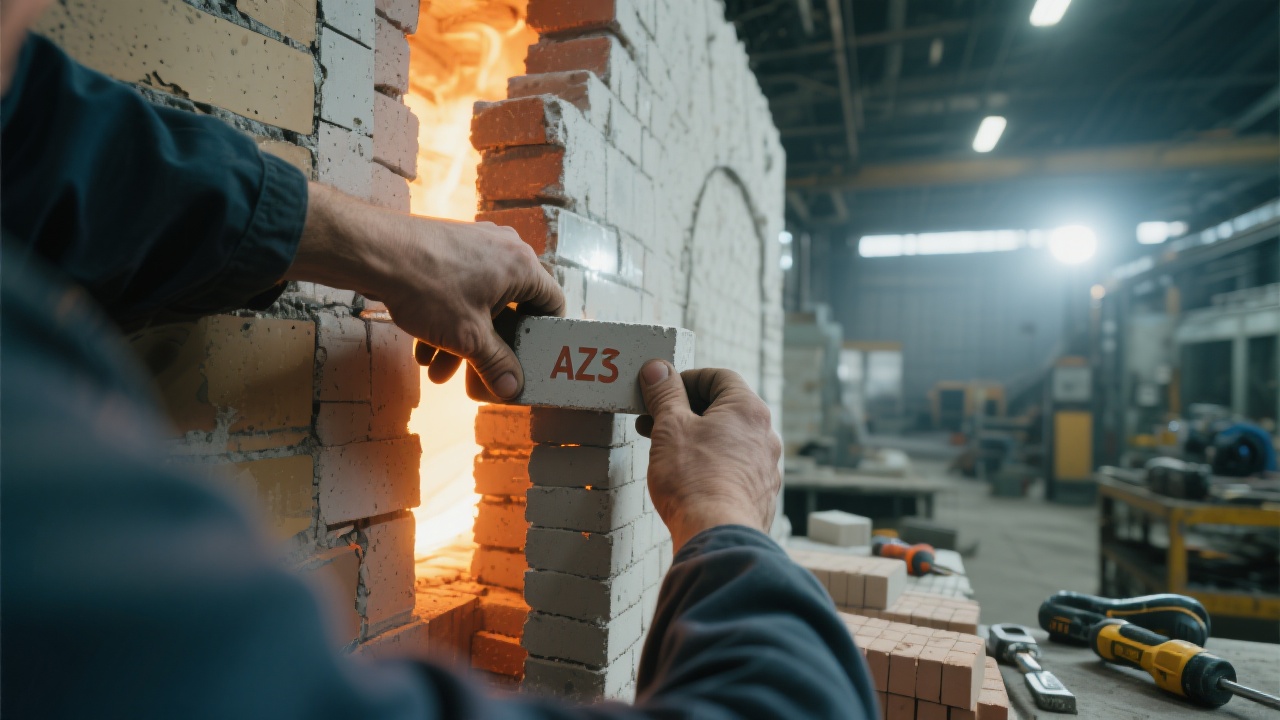
Empirical data drawn from multiple installations illustrate remarkable economic gains:
Let every hot repair become an opportunity to leap in production efficiency — bid farewell to frequent stoppages and open the door to smart furnace maintenance.

Integrating zero-expansion silica bricks into your hot repair regimen encourages safer, faster, and more cost-effective furnace maintenance. The elimination of expansion joints streamlines installation, while reduced thermal stress extends refractory and furnace component life cycles—critical for sustainable production.
To fully capitalize on their advantages, companies should invest in workforce training specialized in zero-expansion refractory techniques and adopt robust temperature monitoring systems to optimize repair timing.
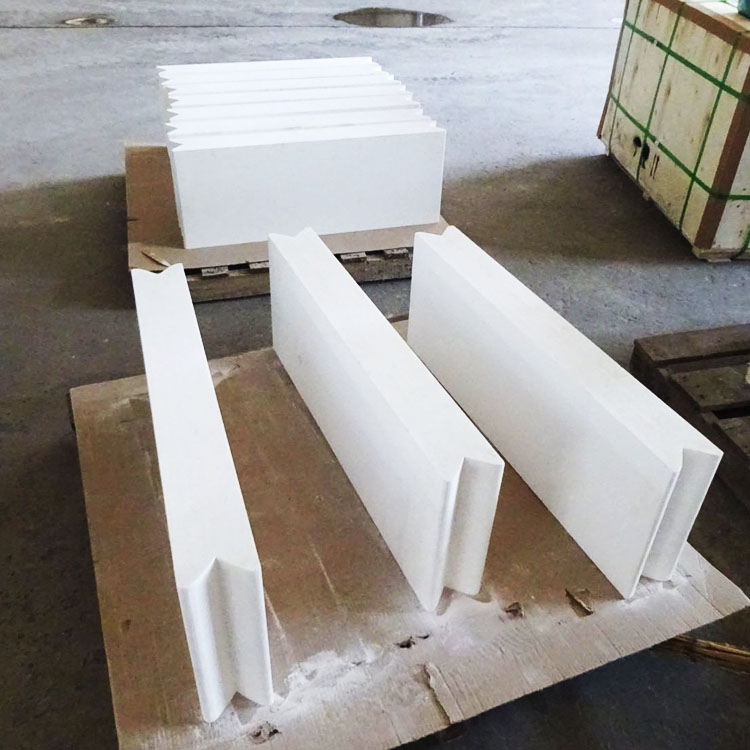
.jpg?x-oss-process=image/resize,h_600,m_lfit/format,webp)
 334
|
334
|
 zero expansion silicon bricks for coke oven hot repairs
high thermal shock resistant silicon bricks
low expansion rate refractory materials for cost-effective maintenance
zero expansion silicon bricks for coke oven hot repairs
high thermal shock resistant silicon bricks
low expansion rate refractory materials for cost-effective maintenance
.jpg?x-oss-process=image/resize,h_600,m_lfit/format,webp) 94
|
high-quality silica bricks
glass industry efficiency
refractory materials for glass kilns
94
|
high-quality silica bricks
glass industry efficiency
refractory materials for glass kilns
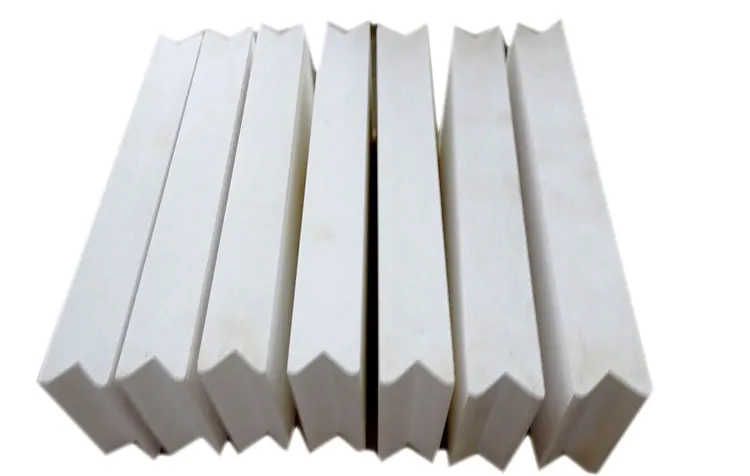 334
|
Fused silica bricks
Refractory materials
High - temperature performance
Industrial kilns
Sunrise Factory
334
|
Fused silica bricks
Refractory materials
High - temperature performance
Industrial kilns
Sunrise Factory
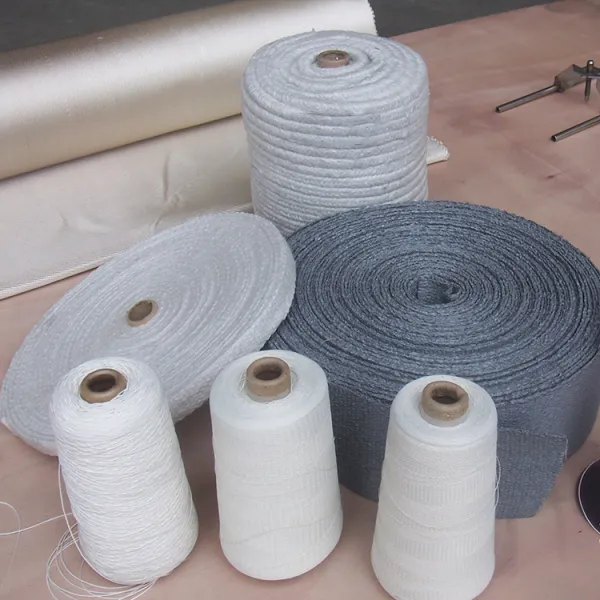 209
|
high thermal conductivity silicon bricks
high density low porosity silicon bricks
refractory materials for coking furnace
silicon brick performance comparison
coke oven refractory bricks
209
|
high thermal conductivity silicon bricks
high density low porosity silicon bricks
refractory materials for coking furnace
silicon brick performance comparison
coke oven refractory bricks
 368
|
glass furnace silicon bricks
refractory material comparison
lightweight refractory bricks
chemical corrosion resistance refractory
high-temperature refractory bricks
368
|
glass furnace silicon bricks
refractory material comparison
lightweight refractory bricks
chemical corrosion resistance refractory
high-temperature refractory bricks


.jpg?x-oss-process=image/resize,m_fill,h_200,w_200/format,webp)


.jpg?x-oss-process=image/resize,m_fill,h_200,w_200/format,webp)