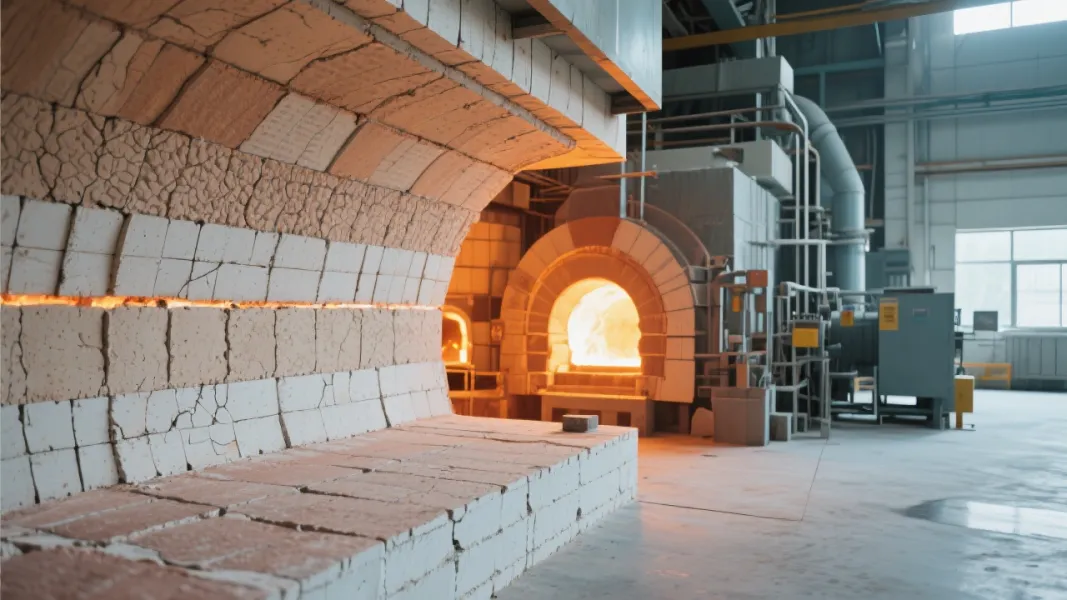
In the glass manufacturing industry, furnace hot repair is a critical process that directly impacts production efficiency and cost. Traditional hot repair methods often involve shutting down the furnace for repairs, which leads to production interruptions and increased costs. Zero expansion silica bricks, with their high - purity fused quartz raw materials, ultra - low expansion rate, and excellent thermal shock resistance, offer a revolutionary solution for glass kiln hot repair.
You may encounter issues such as frequent production halts and soaring costs when using traditional hot repair materials. These materials typically have higher expansion rates and poorer thermal shock resistance, requiring the furnace to be shut down for repairs. This not only disrupts the production schedule but also incurs additional costs for restarting the furnace.
Zero expansion silica bricks, on the other hand, are made from high - purity fused quartz. This unique raw material gives them an ultra - low expansion rate, usually less than 0.1% in the temperature range commonly encountered in glass kilns. Their excellent thermal shock resistance allows them to withstand rapid temperature changes without cracking or spalling.
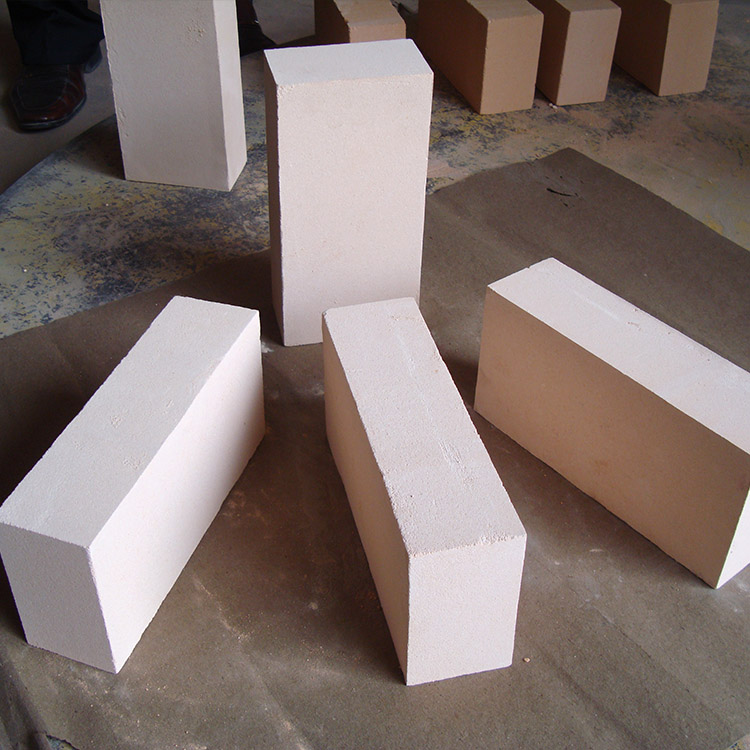
When compared to traditional hot repair materials, zero expansion silica bricks have significant advantages. Traditional materials often require expansion joints to be left during installation to accommodate thermal expansion. This not only complicates the construction process but also reduces the overall stability of the furnace. Zero expansion silica bricks, however, do not require expansion joints, which simplifies the construction process and improves the furnace's stability.
Moreover, zero expansion silica bricks enable hot repairs to be carried out without shutting down the furnace. This means that production can continue uninterrupted, saving both time and money. For example, in a typical glass manufacturing plant, a single furnace shutdown for repair can cost upwards of $50,000 in lost production and additional restart costs.
Let's take a look at a real - world case of a glass manufacturing company. Before using zero expansion silica bricks, the company's glass kiln had a lifespan of about 5 years, and it required major repairs every 1 - 2 years. The production was frequently interrupted, and the annual maintenance cost was approximately $200,000.
After switching to zero expansion silica bricks, the kiln's lifespan was extended to over 7 years, a 40% increase. The frequency of major repairs was reduced to once every 3 - 4 years. The annual maintenance cost dropped to around $120,000, a 40% reduction. This clearly shows the significant economic benefits of using zero expansion silica bricks.
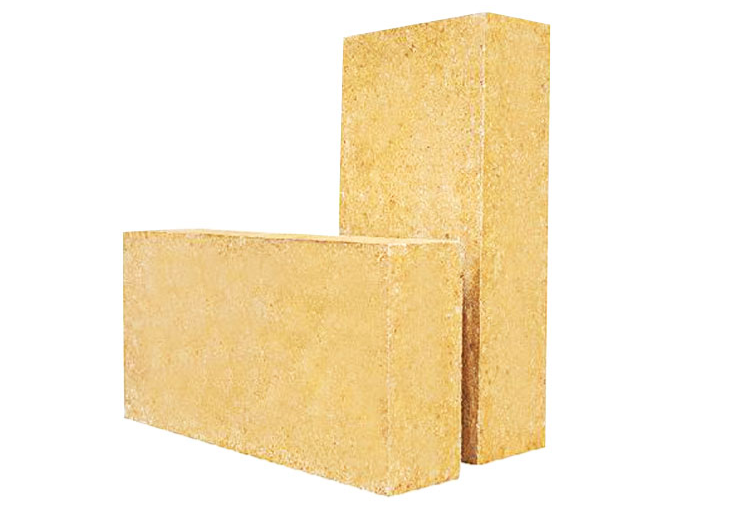
The use of zero expansion silica bricks can bring substantial economic benefits. By extending the furnace's lifespan, companies can reduce the frequency of furnace replacements, which is a significant capital expenditure. The reduced maintenance costs also contribute to overall cost savings.
In addition, the ability to carry out hot repairs without shutting down the furnace means that production can continue smoothly, increasing the overall output and revenue. For a medium - sized glass manufacturing company, this could translate into an additional annual revenue of $500,000 - $1 million.
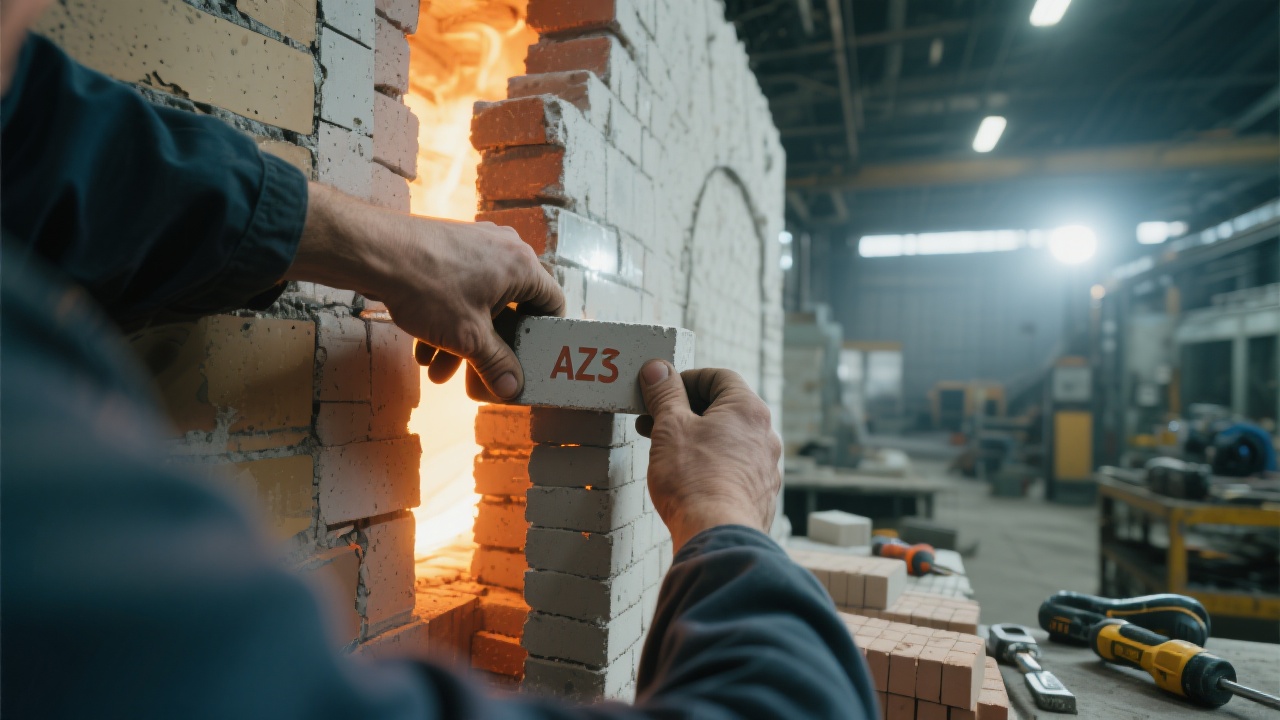
Zero expansion silica bricks are truly a game - changer in the glass manufacturing industry. They offer a reliable and cost - effective solution for glass kiln hot repair, addressing the long - standing pain points of the industry. With their unique properties and proven economic benefits, they are the key to upgrading your glass manufacturing process.
Discover How Zero Expansion Silica Bricks Can Transform Your Glass Manufacturing Process

 343
|
343
|
 High-density silica bricks
Low-porosity silica bricks
Coke oven refractories
Silica brick properties
Coke oven refractory upgrade
High-density silica bricks
Low-porosity silica bricks
Coke oven refractories
Silica brick properties
Coke oven refractory upgrade
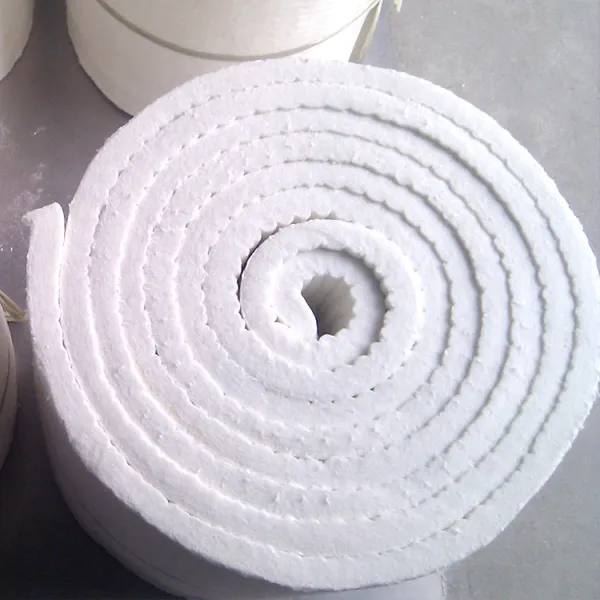 197
|
Dense zirconium blocks
Low - alkali borosilicate glass furnaces
Thermal shock stability
Alkali corrosion resistance
Furnace key parts
197
|
Dense zirconium blocks
Low - alkali borosilicate glass furnaces
Thermal shock stability
Alkali corrosion resistance
Furnace key parts
 326
|
High - density silica bricks
Low - porosity refractory bricks
Coke oven refractory materials
Coke oven efficiency improvement
Refractory material procurement
326
|
High - density silica bricks
Low - porosity refractory bricks
Coke oven refractory materials
Coke oven efficiency improvement
Refractory material procurement
 251
|
magnesia bricks
high-temperature refractory applications
magnesia bricks vs refractory materials
251
|
magnesia bricks
high-temperature refractory applications
magnesia bricks vs refractory materials
 412
|
magnesia-iron spinel brick
synthetic magnesia-alumina spinel brick
magnesia chrome brick comparison
cement kiln refractory lining
refractory durability analysis
412
|
magnesia-iron spinel brick
synthetic magnesia-alumina spinel brick
magnesia chrome brick comparison
cement kiln refractory lining
refractory durability analysis

.jpg?x-oss-process=image/resize,m_fill,h_200,w_200/format,webp)



.jpg?x-oss-process=image/resize,m_fill,h_200,w_200/format,webp)