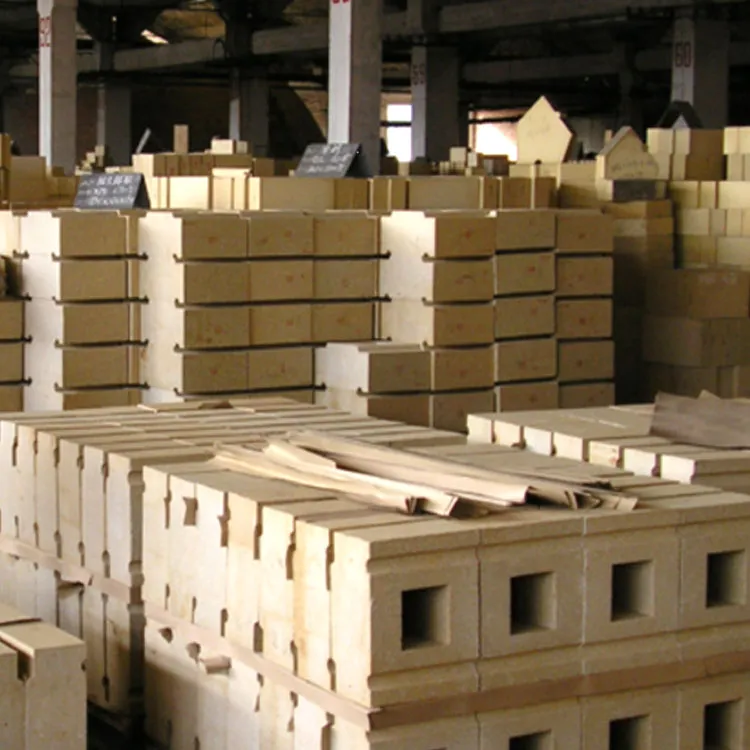
For glass manufacturers, furnace downtime during hot repair is not just a maintenance task—it’s a major operational risk. Traditional methods often require full shutdowns, leading to production losses averaging 15–25% of monthly output and repair costs exceeding $50,000 per incident in mid-sized plants. That’s where zero expansion silicon brick comes in—not as an alternative, but as a game-changer.
Most conventional refractory materials expand significantly when heated—typically between 0.5% to 1.2% at 1400°C. This thermal movement forces engineers to leave expansion joints, which become weak points over time. In practice, this leads to:
Engineered from high-purity fused quartz, zero expansion silicon brick achieves near-zero dimensional change (<0.05%) even under extreme temperatures up to 1550°C. Its unique microstructure—formed through controlled sintering and phase stabilization—prevents crystalline transformation that causes traditional silica bricks to degrade.
Key technical advantages include:
| Property | Traditional Silica Brick | Zero Expansion Silicon Brick |
|---|---|---|
| Thermal Expansion (%) | 0.5–1.2% | ≤0.05% |
| Hot Strength (MPa) | ≥40 | ≥75 |
| Acid Resistance | Moderate | Excellent (no leaching in molten glass) |
A European flat glass producer replaced standard refractory bricks in their regenerator zone with zero expansion silicon brick. Within six months:
In another case, an Asian container glass plant used it for hot patching during operation—a feat previously considered impossible with standard materials. They completed a critical repair in just 48 hours while maintaining full production flow, avoiding a potential $80k loss from halted operations.
Stop treating furnace maintenance as a cost center. With zero expansion silicon brick, you're investing in reliability, efficiency, and long-term asset value.
Get Technical Data Sheets & Application Guide.jpg?x-oss-process=image/resize,h_600,m_lfit/format,webp)
 178
|
178
|
 high-quality silica bricks for glass furnaces
silica brick technology
cost reduction in glass production
high-quality silica bricks for glass furnaces
silica brick technology
cost reduction in glass production
 234
|
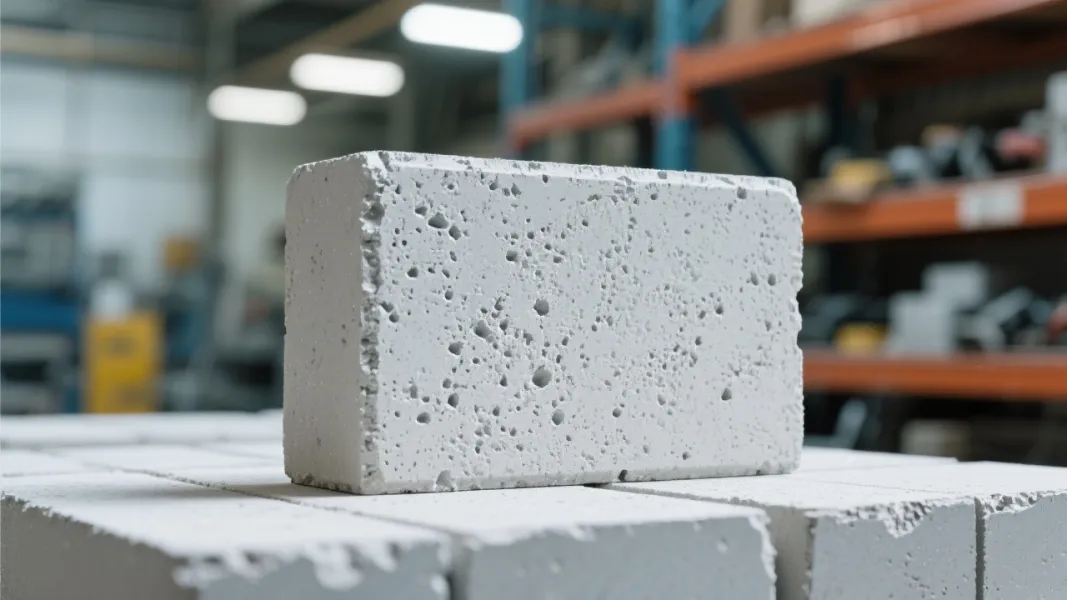
High-density silica bricks
Low-porosity silica bricks
Coke oven refractory materials
Siliceous refractory bricks
Coke oven lifespan extension
234
|
High-density silica bricks
Low-porosity silica bricks
Coke oven refractory materials
Siliceous refractory bricks
Coke oven lifespan extension
.jpg?x-oss-process=image/resize,h_600,m_lfit/format,webp) 267
|
silica bricks for glass furnaces
glass industry production challenges
high-temperature refractory materials
267
|
silica bricks for glass furnaces
glass industry production challenges
high-temperature refractory materials
.jpg?x-oss-process=image/resize,h_600,m_lfit/format,webp) 383
|
fused silica brick
high purity refractory material
low-alcaline borosilicate glass kiln brick
383
|
fused silica brick
high purity refractory material
low-alcaline borosilicate glass kiln brick
 409
|
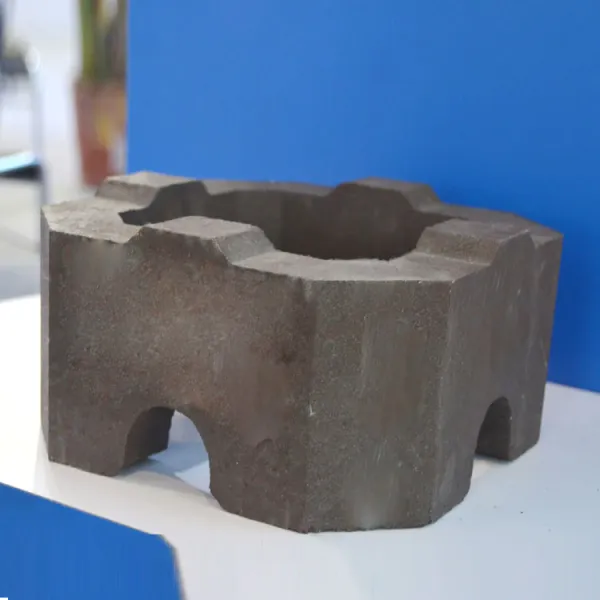
high-temperature magnesia-chromite bricks
high-performance refractory materials
thermal cycling performance
409
|
high-temperature magnesia-chromite bricks
high-performance refractory materials
thermal cycling performance

.jpg?x-oss-process=image/resize,m_fill,h_200,w_200/format,webp)
.jpg?x-oss-process=image/resize,m_fill,h_200,w_200/format,webp)


.jpg?x-oss-process=image/resize,m_fill,h_200,w_200/format,webp)
.jpg?x-oss-process=image/resize,m_fill,h_200,w_200/format,webp)

.jpg?x-oss-process=image/resize,m_fill,h_200,w_200/format,webp)
.jpg?x-oss-process=image/resize,m_fill,h_200,w_200/format,webp)




