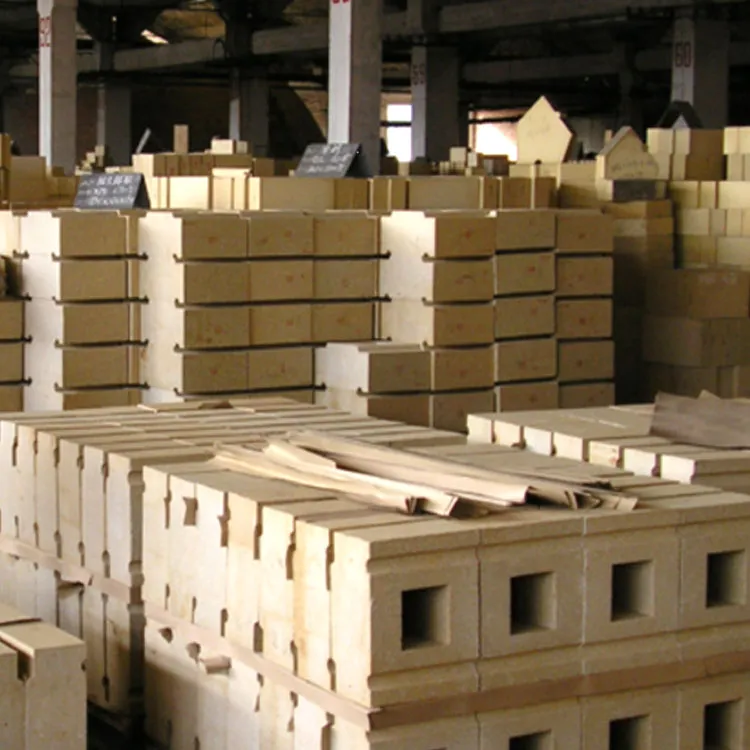
In the glass manufacturing industry, unplanned furnace downtime can cost up to $50,000 per hour in lost production—making hot repair efficiency a critical factor for profitability and operational continuity. Traditional refractory materials often fail under thermal stress or require complete shutdowns for maintenance. That’s where zero expansion silicon brick comes in—a proven solution engineered specifically for high-temperature environments like glass melting tanks.
Conventional fireclay bricks and standard silica bricks typically expand by 0.5–1.2% during heating cycles, leading to cracking, spalling, and structural instability. In one case study from a European flat glass producer, repeated repairs using traditional materials caused an average of 12 hours of unplanned downtime per month—costing over $700,000 annually in lost output.
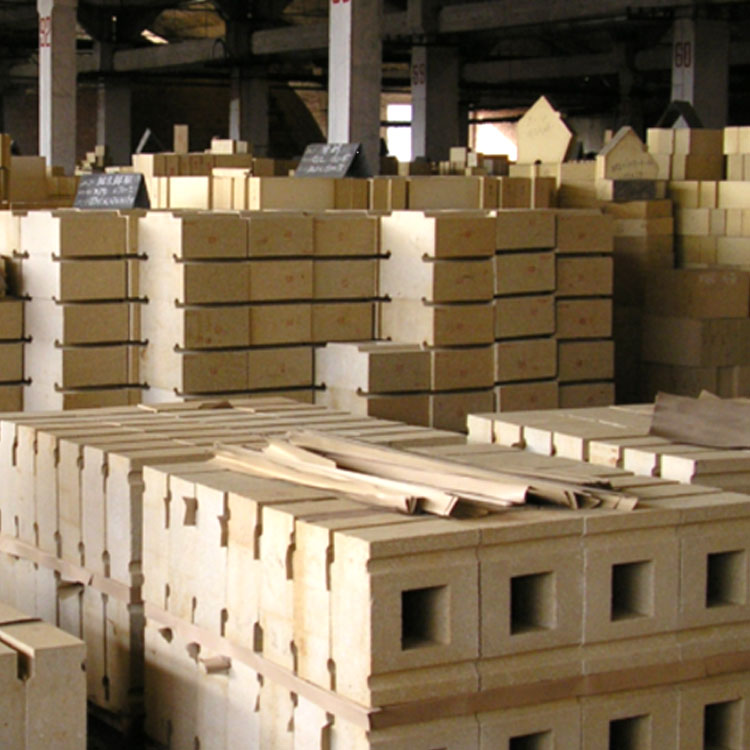
Manufactured from >98% pure fused quartz (SiO₂), this material maintains dimensional stability even at temperatures exceeding 1,600°C. Its unique microstructure resists thermal shock—reducing crack propagation by up to 85% compared to conventional options. Independent lab tests show it withstands more than 100 rapid temperature cycles (from 25°C to 1,500°C) without visible degradation.
Unlike older solutions that must be installed during cold shutdowns, zero expansion silicon brick allows for real-time patching while the furnace remains in operation. This means no more waiting days for cooldown periods—it’s ideal for continuous production lines aiming to maximize uptime.
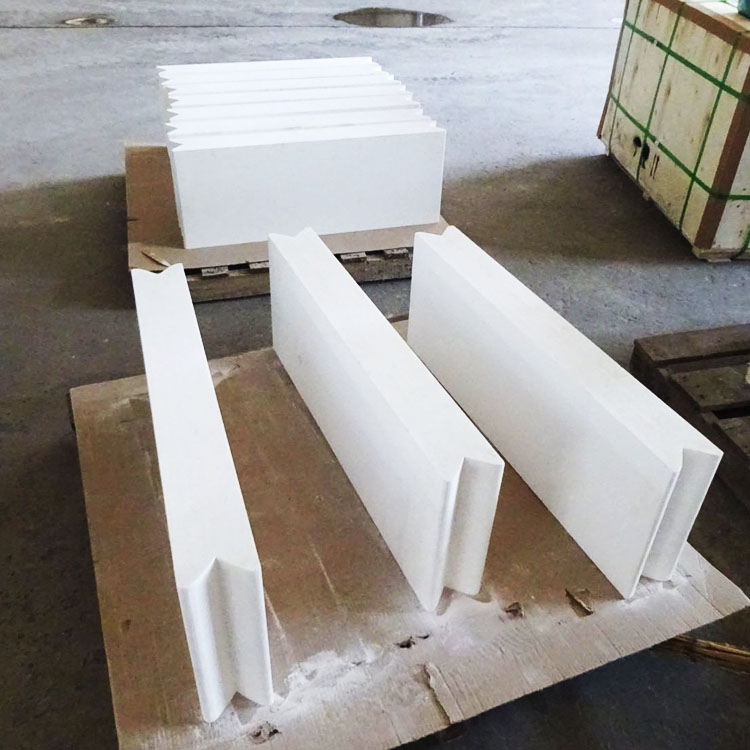
A mid-sized container glass manufacturer in North America reported a 40% reduction in annual maintenance costs after switching to zero expansion silicon brick. Their furnace repair time dropped from 72 hours to just 16 hours per incident—and they’ve gone over 18 months without any major refractory failures.
What sets this product apart isn’t just performance—it’s reliability. With minimal need for expansion joints and superior resistance to acid attack from molten glass fluxes, these bricks significantly extend the life of your furnace lining by 2–3 years on average.
Key Benefits:
Ready to optimize your furnace maintenance strategy? Let us help you reduce downtime, lower repair costs, and boost long-term asset value—with a material designed for real-world conditions.
Get Your Free Application Guide & Technical Data Sheet
 282
|
282
|
 high-density silica bricks
low-porosity refractory materials
coke oven silica bricks
silica refractory performance
refractory manufacturing process
high-density silica bricks
low-porosity refractory materials
coke oven silica bricks
silica refractory performance
refractory manufacturing process
 256
|
high-quality silica bricks
glass furnace high-temperature refractory materials
silica brick composition
advantages of silica bricks
high-temperature resistance silica bricks
256
|
high-quality silica bricks
glass furnace high-temperature refractory materials
silica brick composition
advantages of silica bricks
high-temperature resistance silica bricks
 404
|
High - density silica bricks
Low - porosity silica bricks
Coke oven refractories
Coking efficiency improvement
Industrial refractory solutions
404
|
High - density silica bricks
Low - porosity silica bricks
Coke oven refractories
Coking efficiency improvement
Industrial refractory solutions
 311
|
high-temperature magnesia-chrome bricks
high-performance refractory materials
thermal cycling performance
311
|
high-temperature magnesia-chrome bricks
high-performance refractory materials
thermal cycling performance
 142
|
zirconia brick performance
metallurgical refractory materials
high-density refractory bricks
thermal shock resistant lining
alkali-resistant耐火材料
142
|
zirconia brick performance
metallurgical refractory materials
high-density refractory bricks
thermal shock resistant lining
alkali-resistant耐火材料
.jpg?x-oss-process=image/resize,m_fill,h_200,w_200/format,webp)

.jpg?x-oss-process=image/resize,m_fill,h_200,w_200/format,webp)


.jpg?x-oss-process=image/resize,m_fill,h_200,w_200/format,webp)




